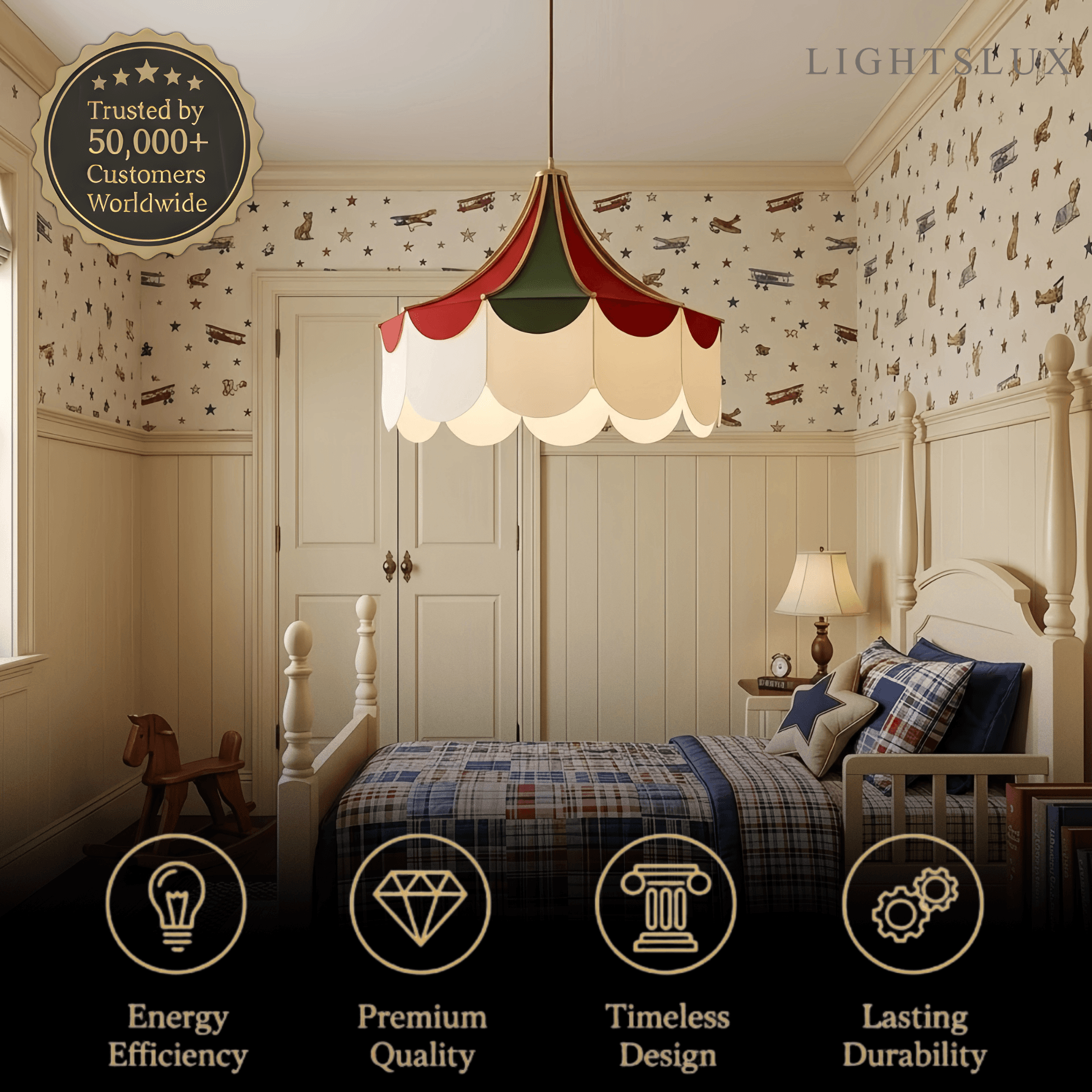
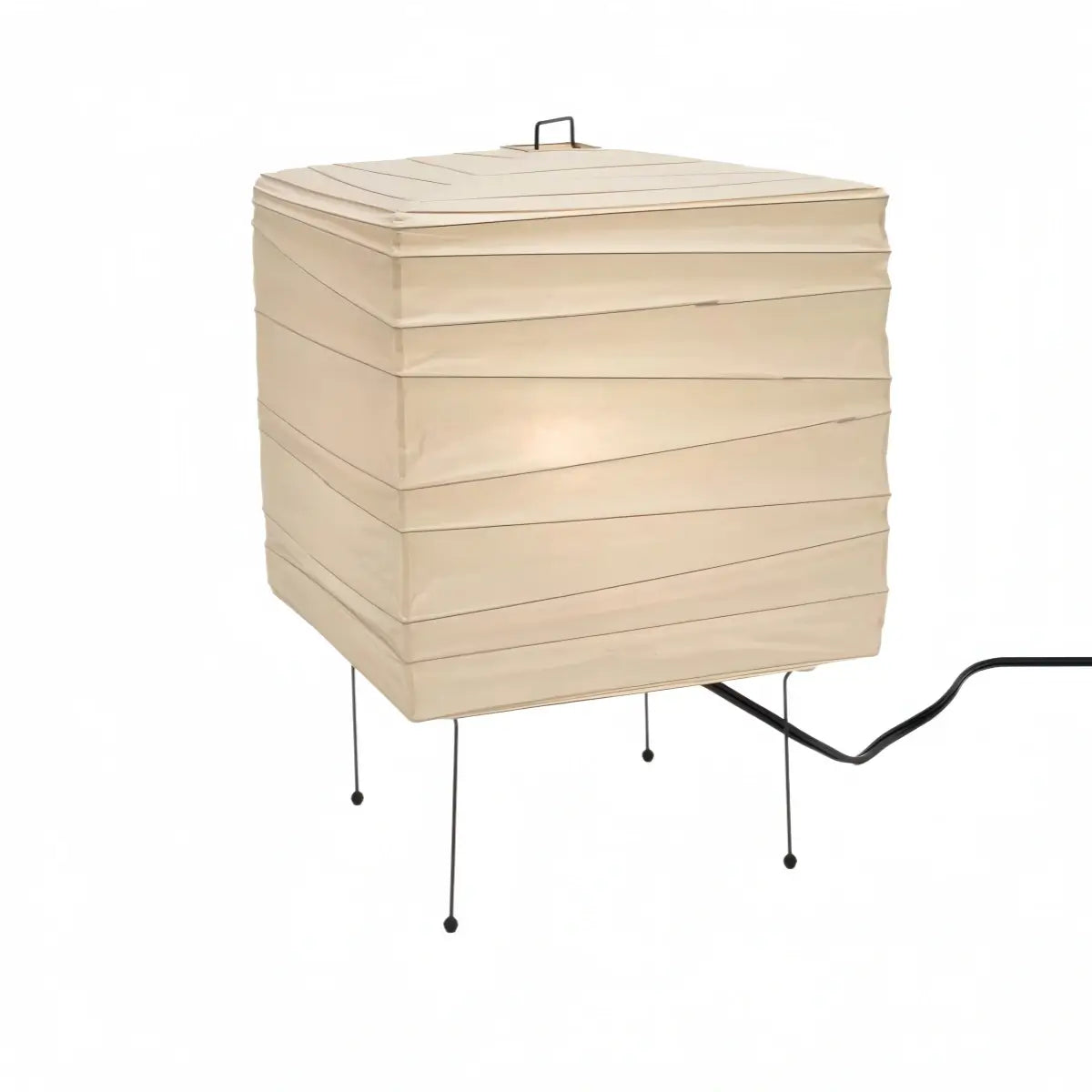
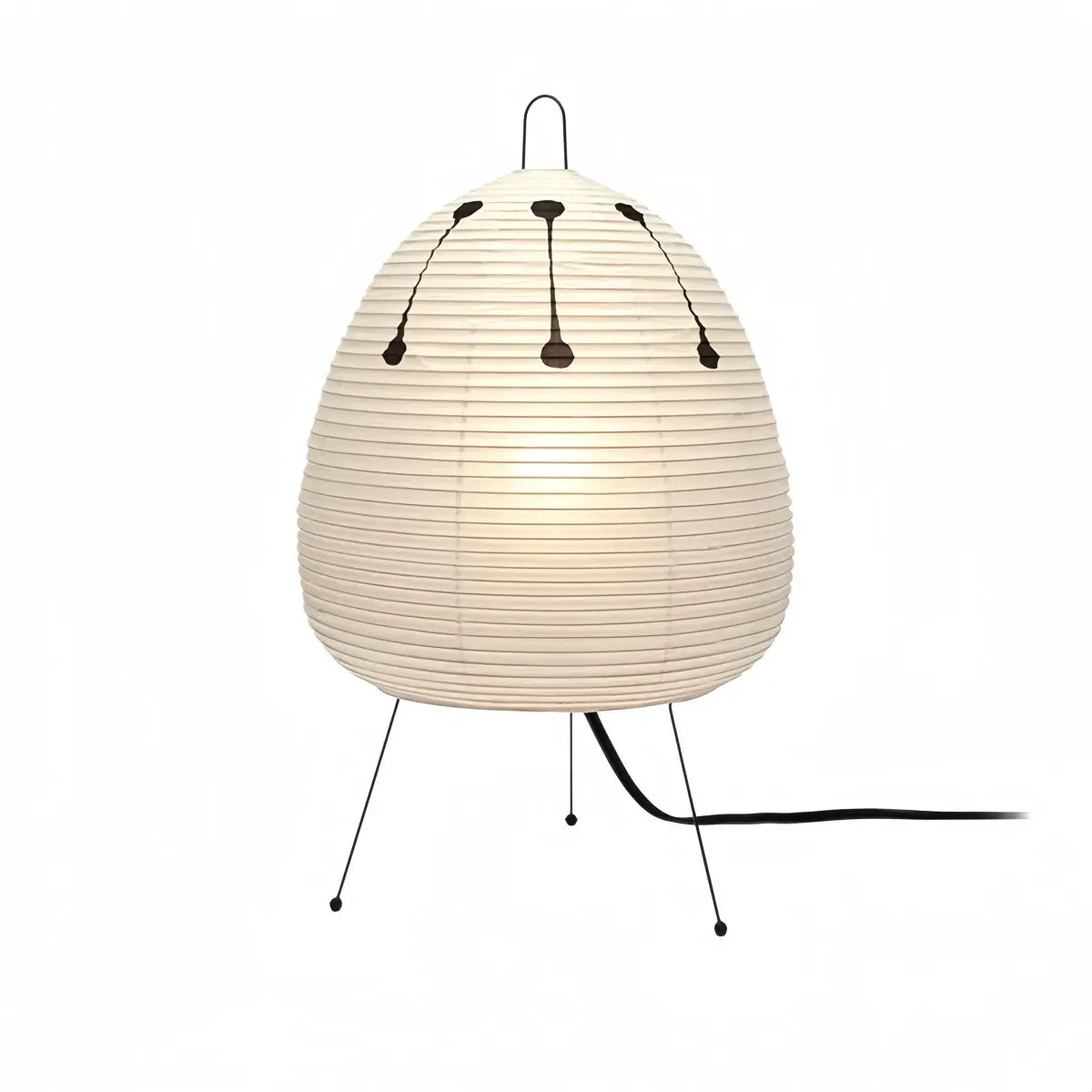
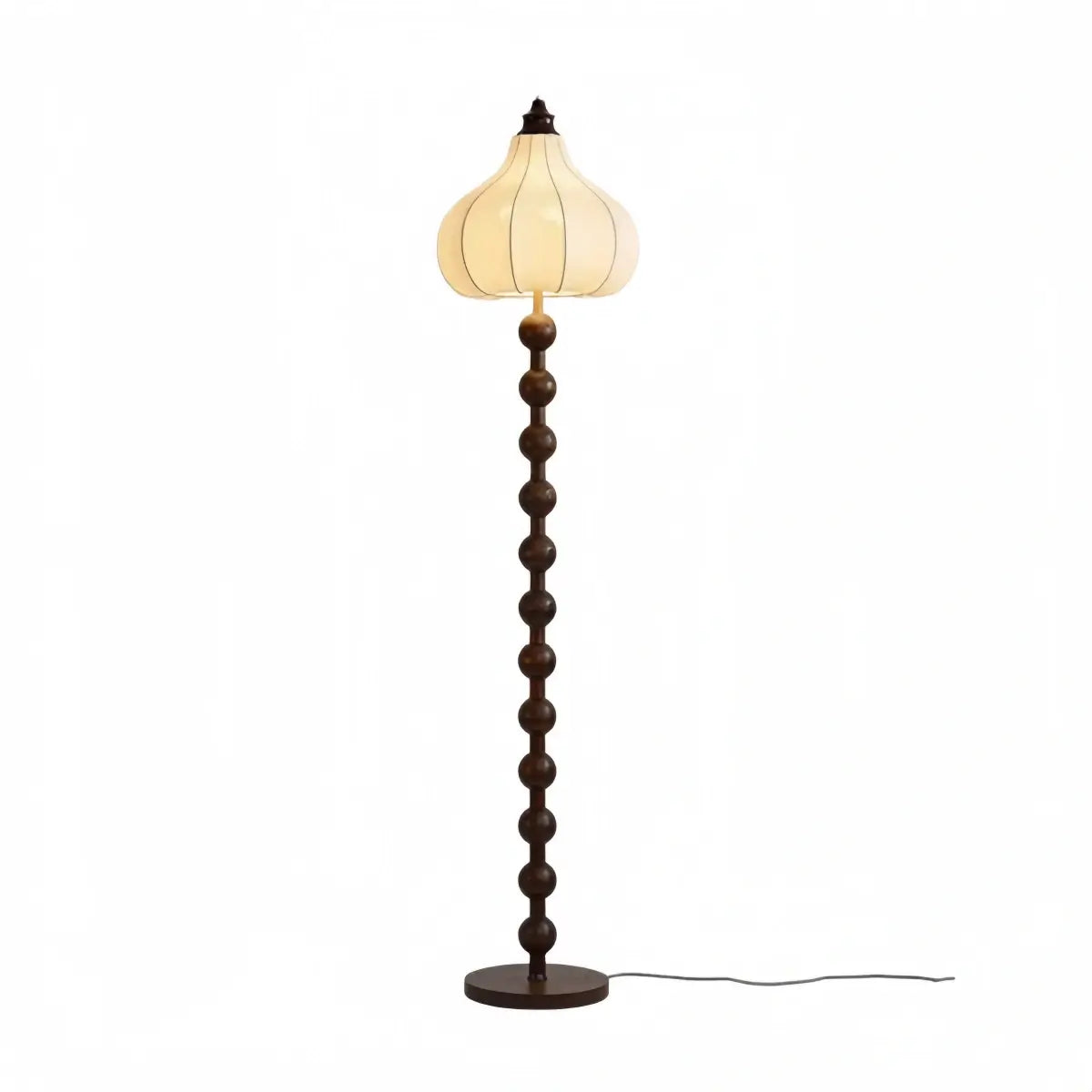
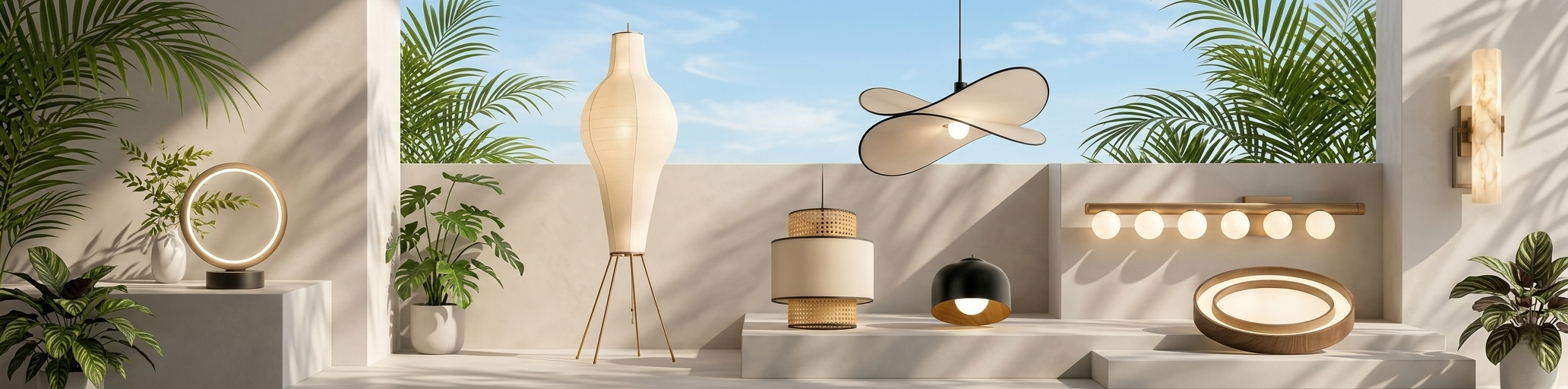
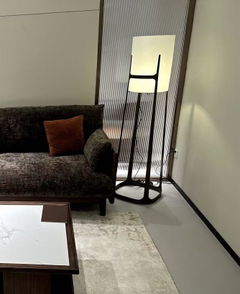
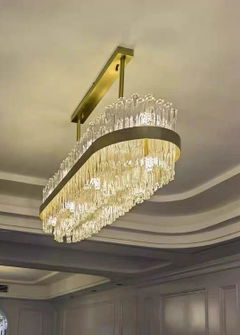
Bedroom lighting plays a crucial role in shaping rest quality, emotional comfort, and overall spatial calmness. Unlike functional areas of the home, bedroom lighting requires a softer and more layered approach that reduces visual strain while supporting relaxation. A well-designed scheme typically combines ambient ceiling lighting with bedside task lighting and subtle accent illumination to create a balanced environment. Warm tones are often preferred because they help reduce stimulation and promote a more restful atmosphere. Understanding how to control brightness levels and fixture placement is essential for achieving a comfortable and visually cohesive bedroom space. To explore how these principles are applied in real interior planning, you can refer to Discover How Bedroom Lighting Choices Affect Your Sleep and Mood.
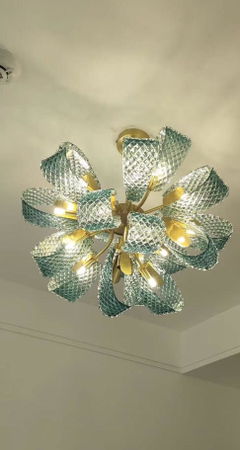
The choice of ceiling lighting in a bedroom has a significant impact on both brightness distribution and overall ambiance. Instead of using overly bright or harsh fixtures, modern bedroom design often favors soft-diffused ceiling lights that provide even illumination without disturbing relaxation. Flush mount or semi-flush designs are commonly used to maintain a clean visual ceiling line while still ensuring sufficient lighting coverage. In many interior projects, ceiling lighting is combined with dimming functions to allow users to adjust brightness according to different times of day. This flexible approach helps create a more personalized and comfortable sleeping environment. For deeper design insights, explore Best Picks for Modern Bedroom Ceiling Lights for Small Spaces.
Bedside and wall-mounted lighting plays an essential role in creating functional comfort zones within the bedroom. These lighting types provide localized illumination that supports reading, relaxation, or nighttime routines without overwhelming the entire space. Wall sconces and bedside lamps are often chosen for their ability to free up surface space while maintaining aesthetic balance. Material, light direction, and height placement all influence how effectively these fixtures contribute to the room’s usability. When properly integrated, they enhance both functionality and visual softness in the sleeping environment. To understand more about wall lighting applications, see Wall With Lighting Made Easy Indoors and Out.
A complete bedroom lighting system relies on combining multiple layers of illumination, including ceiling lights, bedside lamps, wall sconces, and subtle accent lighting. This layered approach allows users to adjust lighting based on different moods such as relaxation, reading, or preparing for sleep. It also enhances depth and softness, making the room feel more balanced and visually calm. In modern interior design, layered lighting is essential for achieving both aesthetic harmony and functional flexibility. For a broader understanding of lighting coordination across different rooms, explore Lighting Recommendations by Room: Stylish and Practical Fixtures for Every Space.