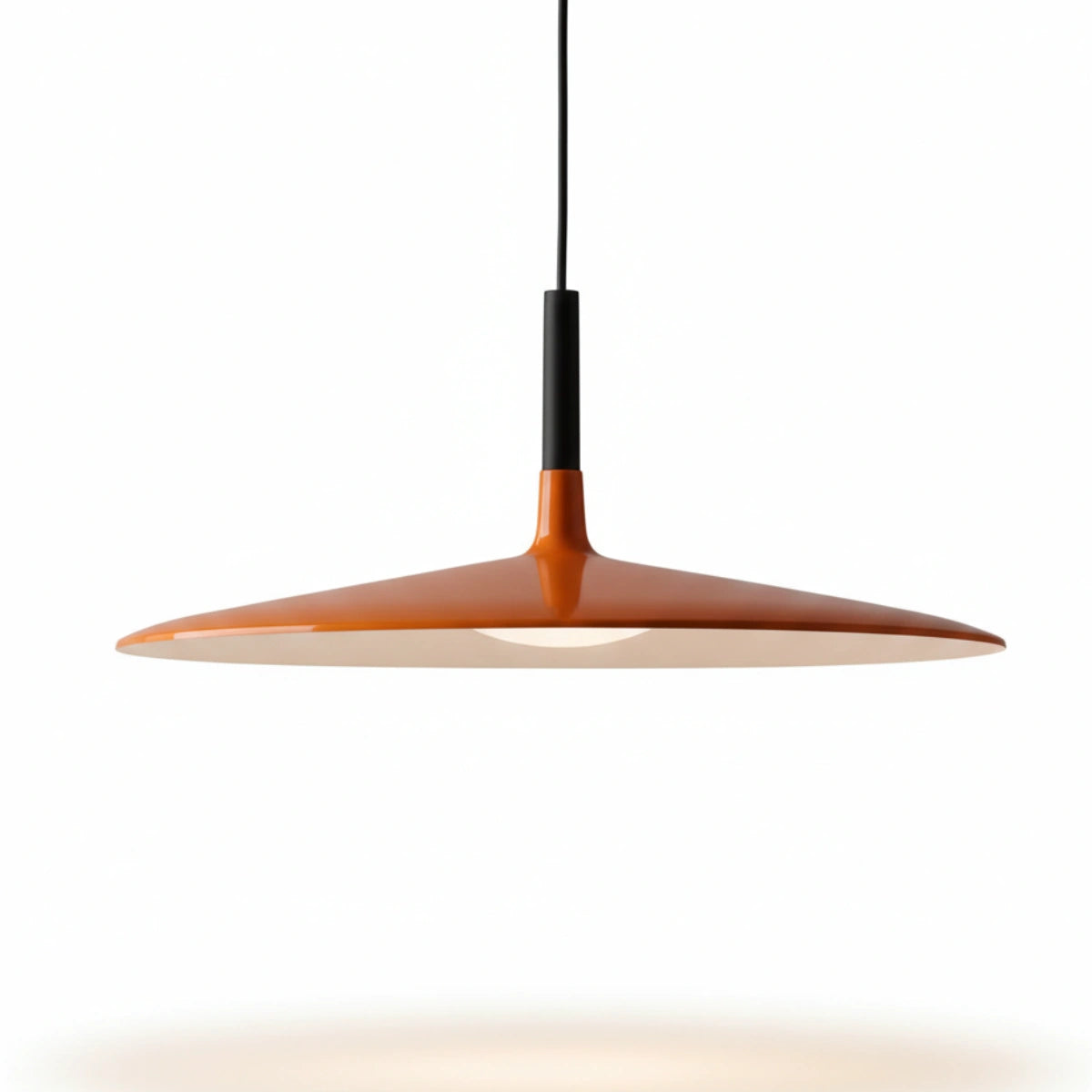
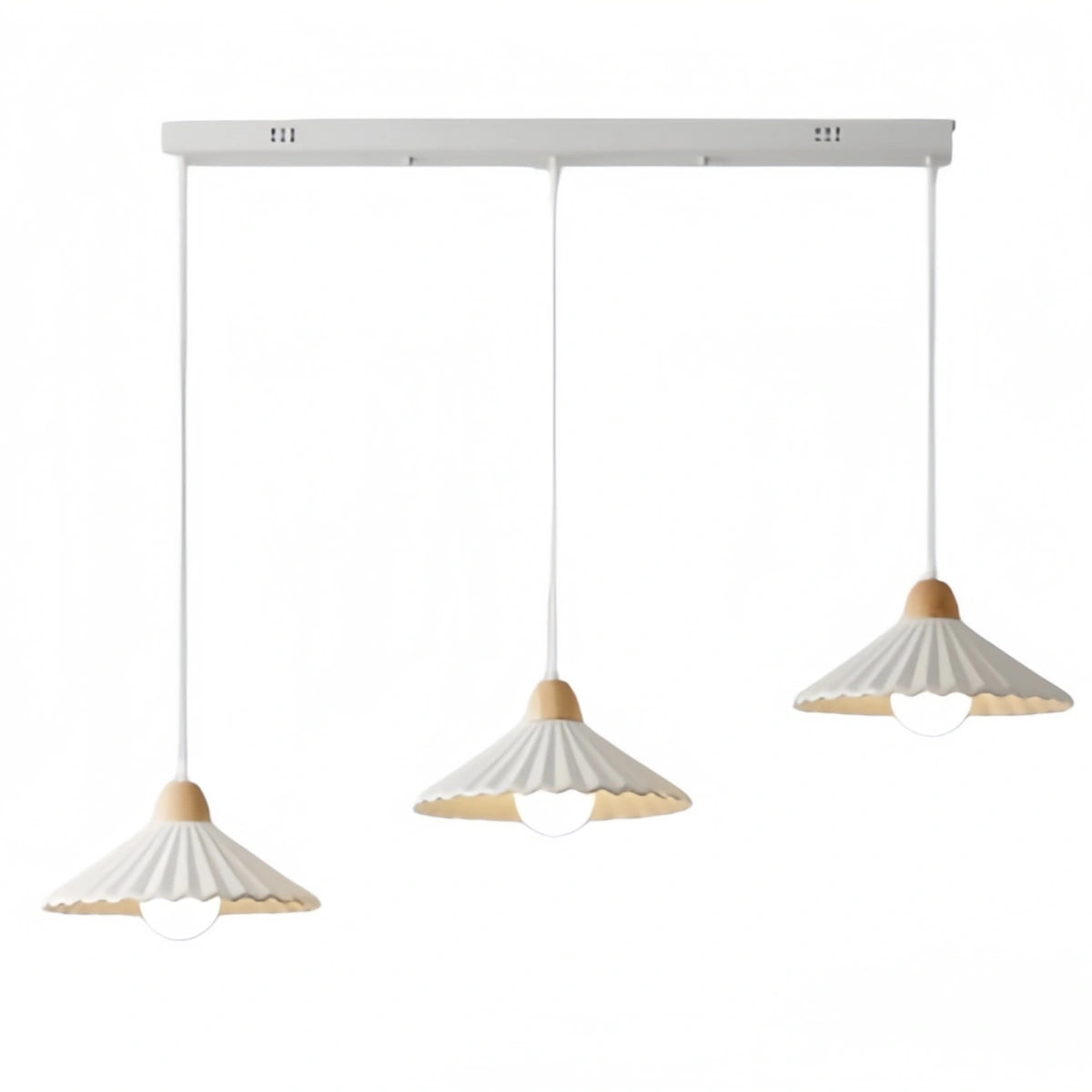
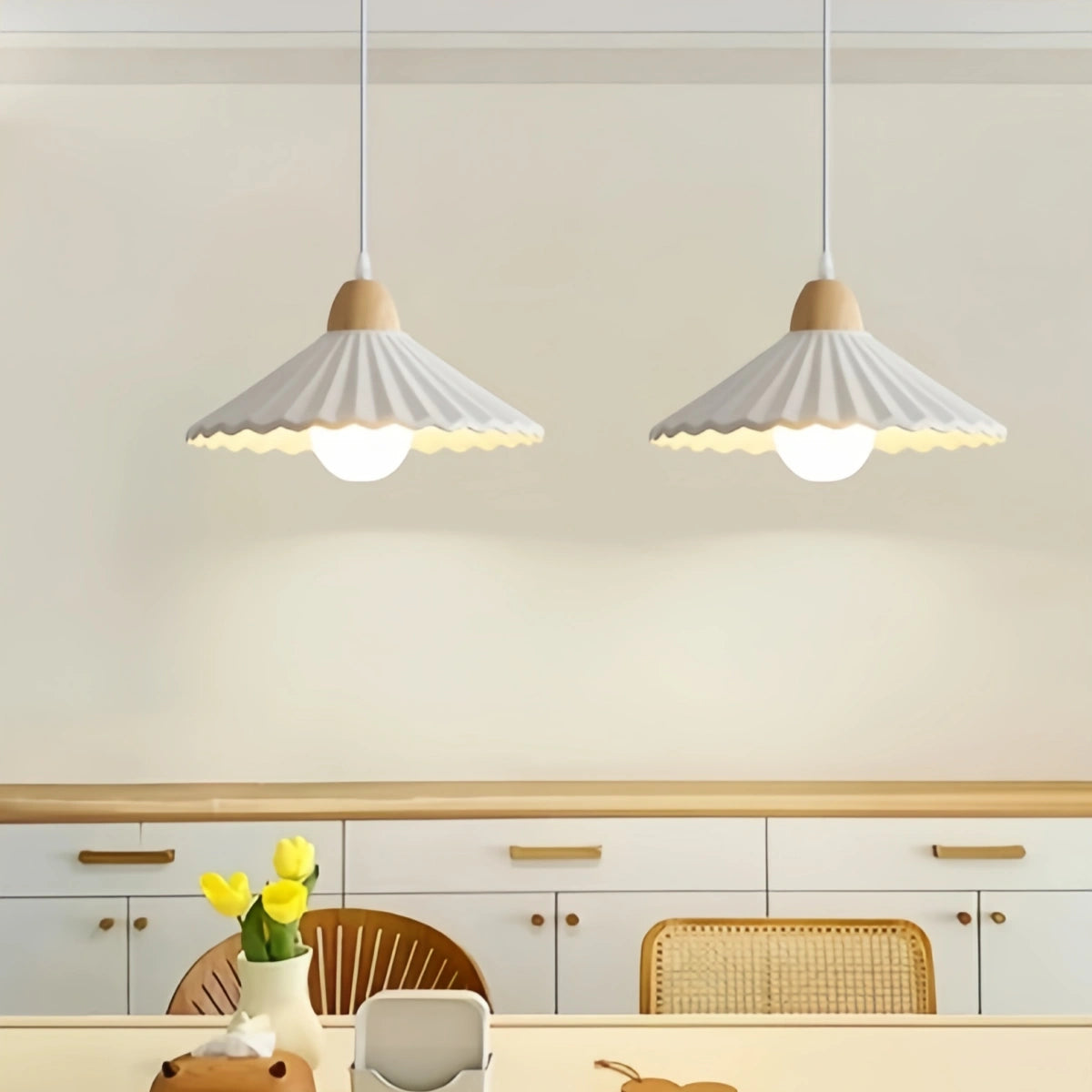
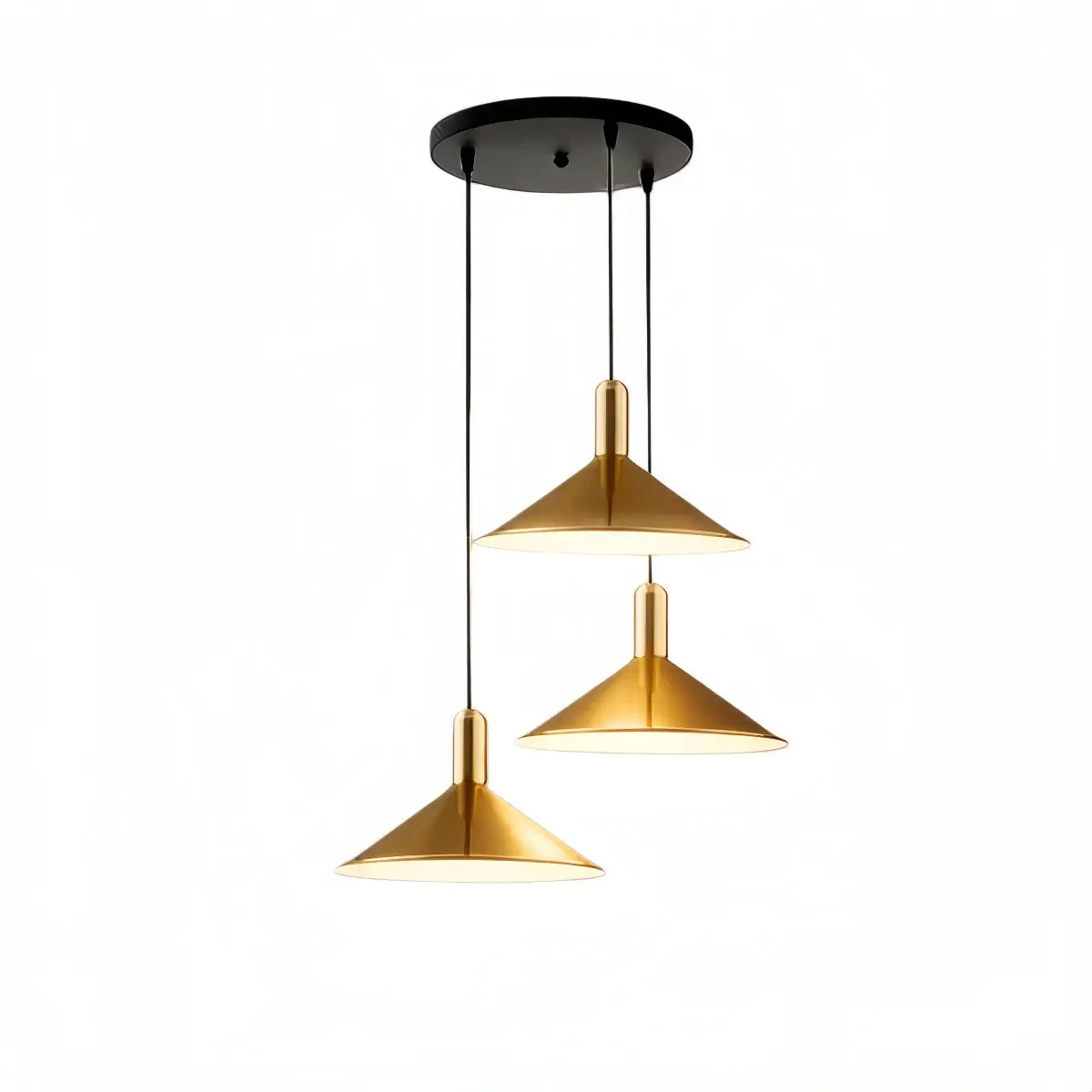
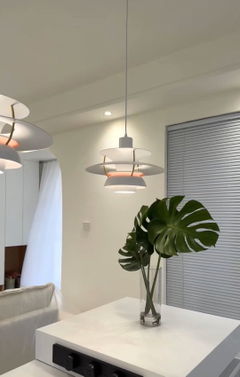
Cone pendant lights are a timeless lighting choice that combines geometric simplicity, focused illumination, and modern decorative appeal. Featuring a tapered shade design, these fixtures direct light downward efficiently, making them especially suitable for kitchen islands, dining tables, home offices, and other areas that require practical task lighting. Beyond their functional benefits, cone pendant lights add visual structure to interiors through their clean lines and balanced proportions, making them a popular option for minimalist, contemporary, Scandinavian, and industrial-inspired spaces. When selecting a cone pendant light, homeowners should consider factors such as fixture size, hanging height, material finish, and lighting purpose to achieve the best combination of style and usability. Discover more ideas about selecting modern pendant fixtures in What Homeowners Should Know About Modern Pendant Lights for Kitchens.
Cone pendant lights are widely used above dining tables because their downward-focused illumination creates an inviting atmosphere while providing comfortable lighting for meals and gatherings. A well-positioned pendant fixture can become the visual centerpiece of a dining area, helping define the space while complementing furniture, color schemes, and interior styles. Whether installed as a single statement light or arranged in multiple groups, cone-shaped pendant lights offer flexibility for different room sizes and layouts. Choosing the appropriate pendant height and spacing is essential to ensure balanced illumination without blocking sight lines across the dining area. For homeowners exploring dining room lighting ideas, Dining Room Lights Which Would You Choose.
The material and shade design of a pendant light can significantly influence both its appearance and the quality of illumination it provides. Cone pendant lights are available in various materials, including metal, glass, and mixed finishes, allowing homeowners to select options that match their interior style and lighting preferences. Clear glass shades can create brighter and more open lighting effects, while frosted or textured materials provide softer diffusion for a warmer atmosphere. Understanding how different materials affect brightness, reflection, and visual comfort helps homeowners choose pendant fixtures that better suit their space. This is especially important for kitchen islands and dining areas where both task lighting and decorative appeal are required. Explore more about pendant shade choices and lighting effects in Clear vs Frosted Glass Pendant Lights for Kitchen Islands: Which One Makes More Sense?
A successful interior lighting plan requires combining different fixtures to create a balanced relationship between decorative style, functional illumination, and overall atmosphere. While cone pendant lights can serve as elegant focal points above dining tables, kitchen islands, or entryways, pairing them with ceiling lights, wall lamps, and other decorative fixtures can create a more complete lighting experience. Layered lighting helps define different areas of the home while providing flexibility for various daily activities. For example, pendant lights can introduce focused illumination and visual interest, while additional fixtures provide ambient lighting throughout the room. Explore more ideas for selecting statement lighting pieces in Which Entryway Light Fixture Is Best for Your Home in 2026.