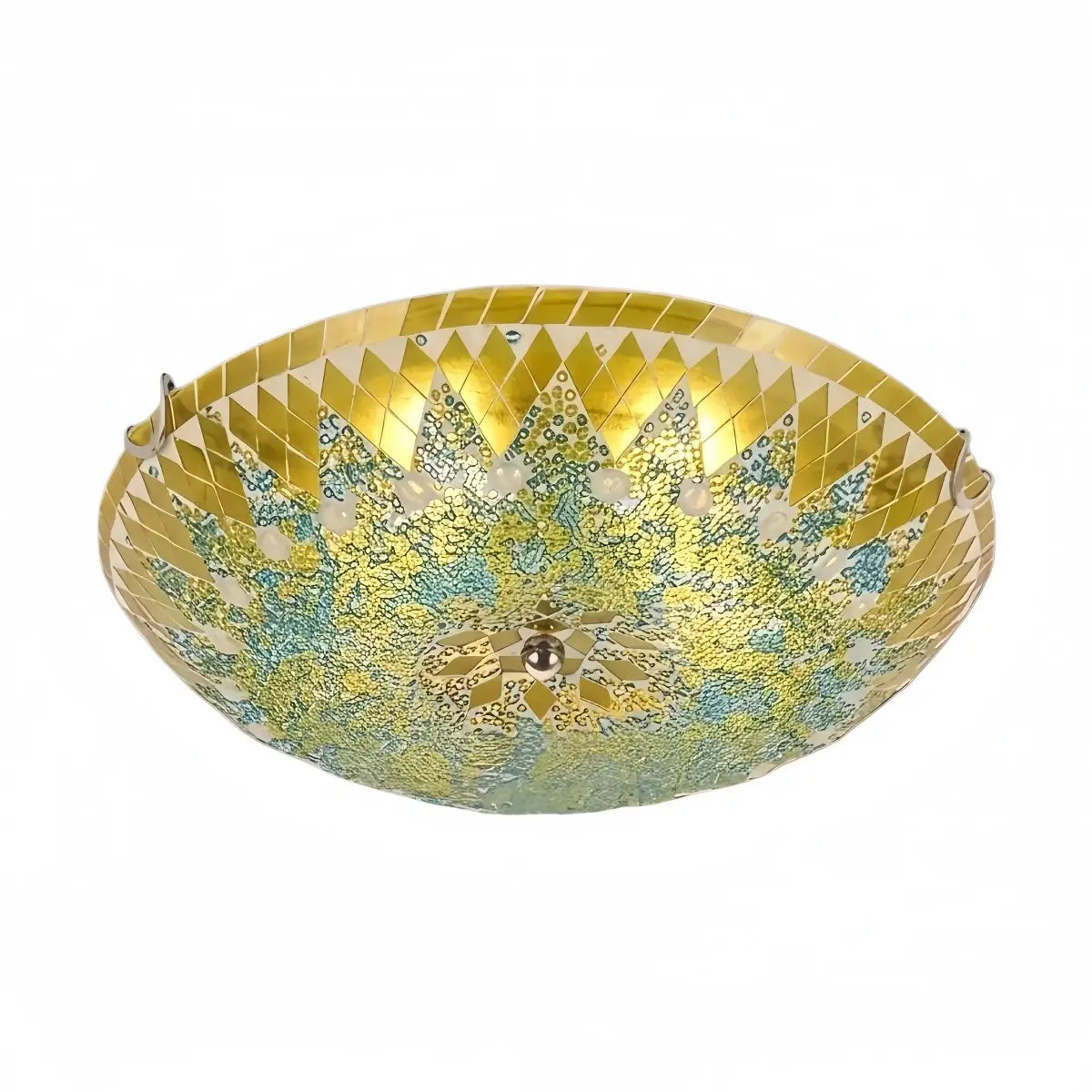
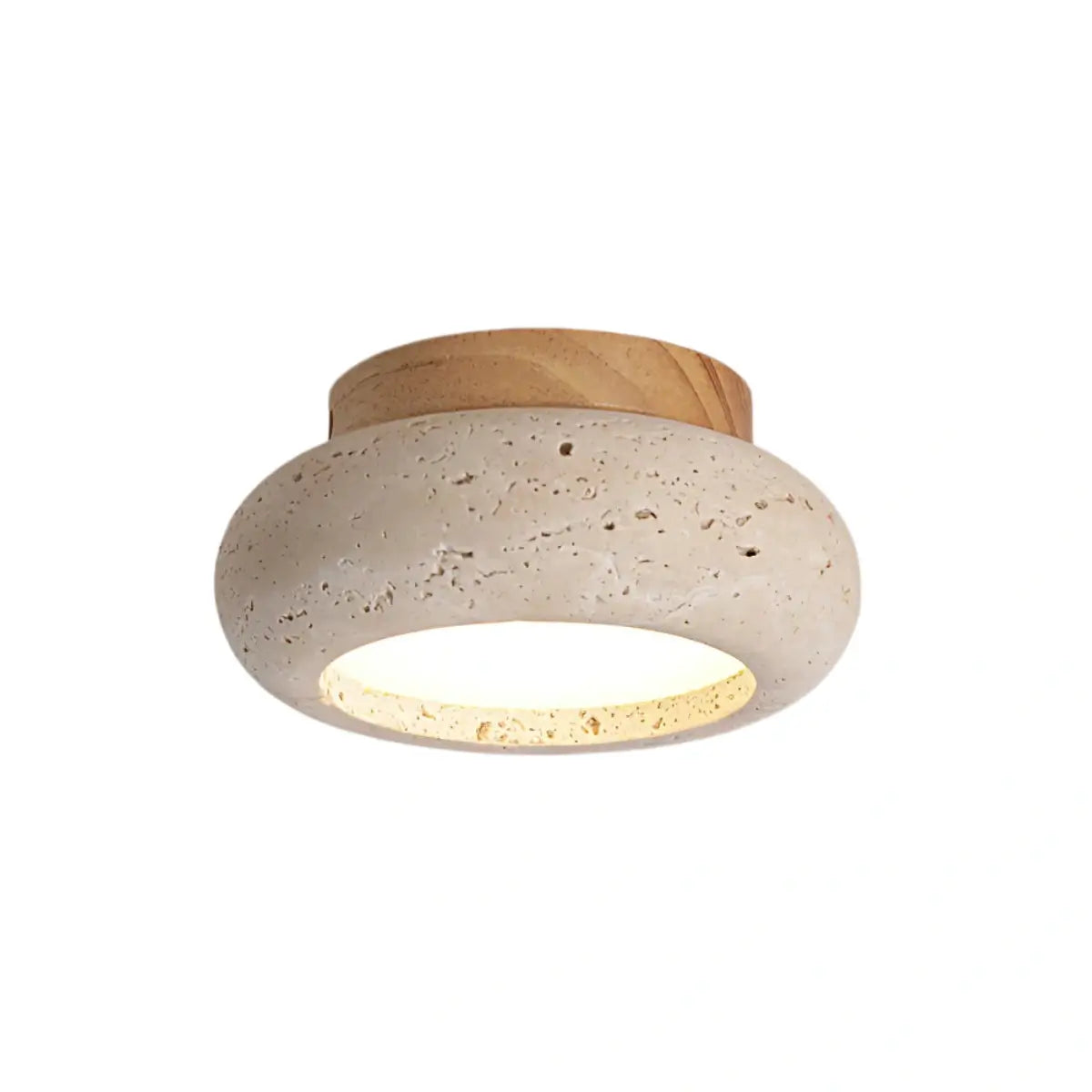
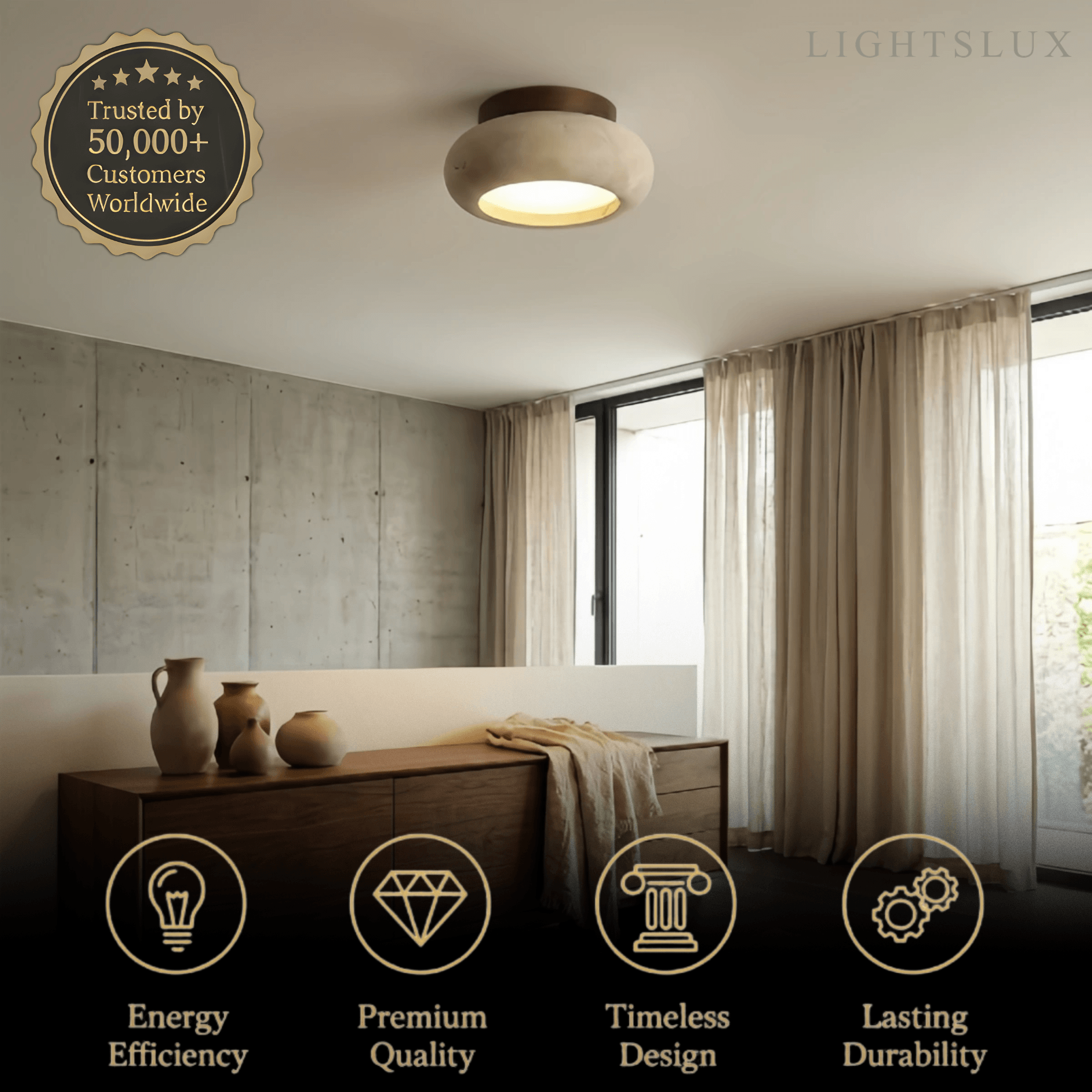
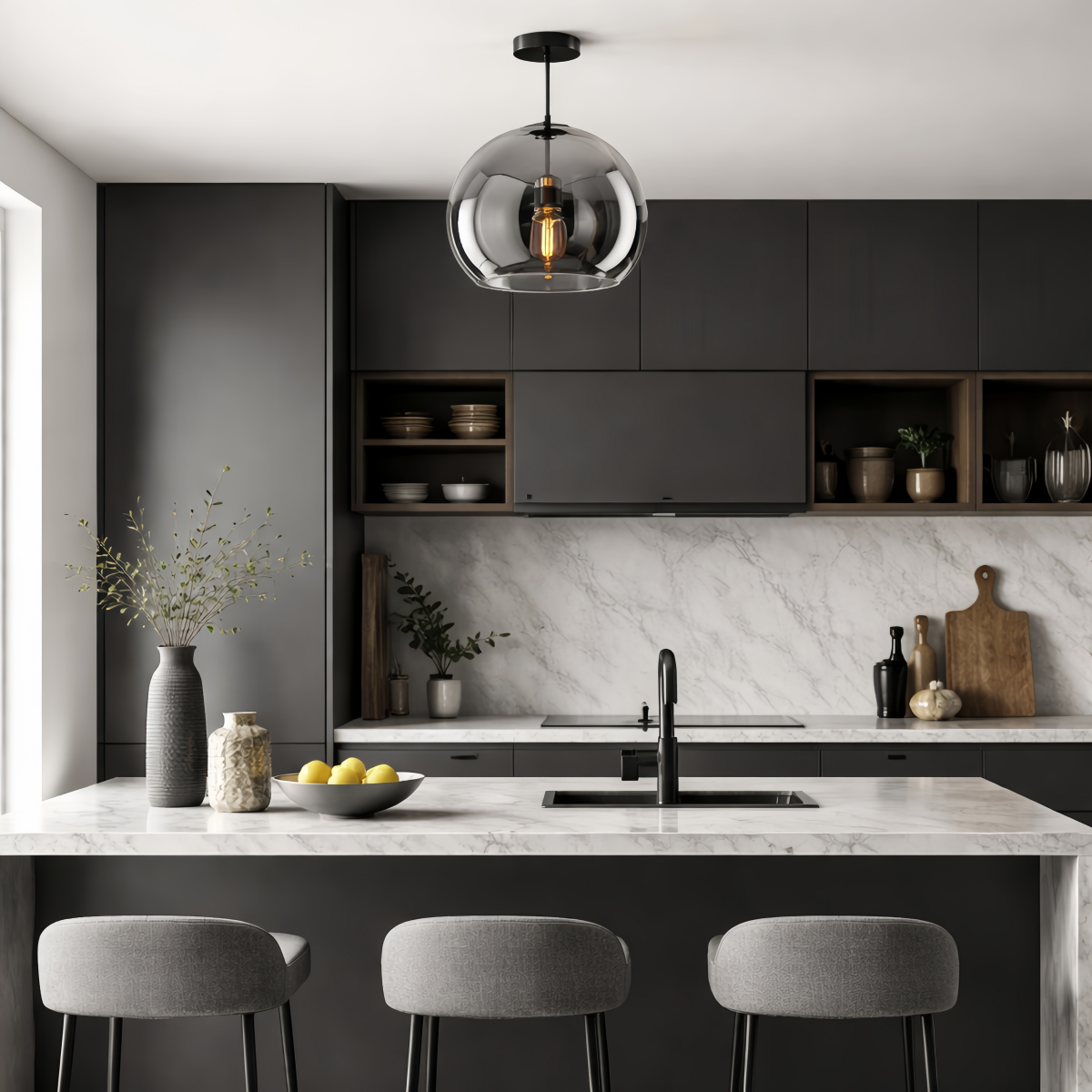
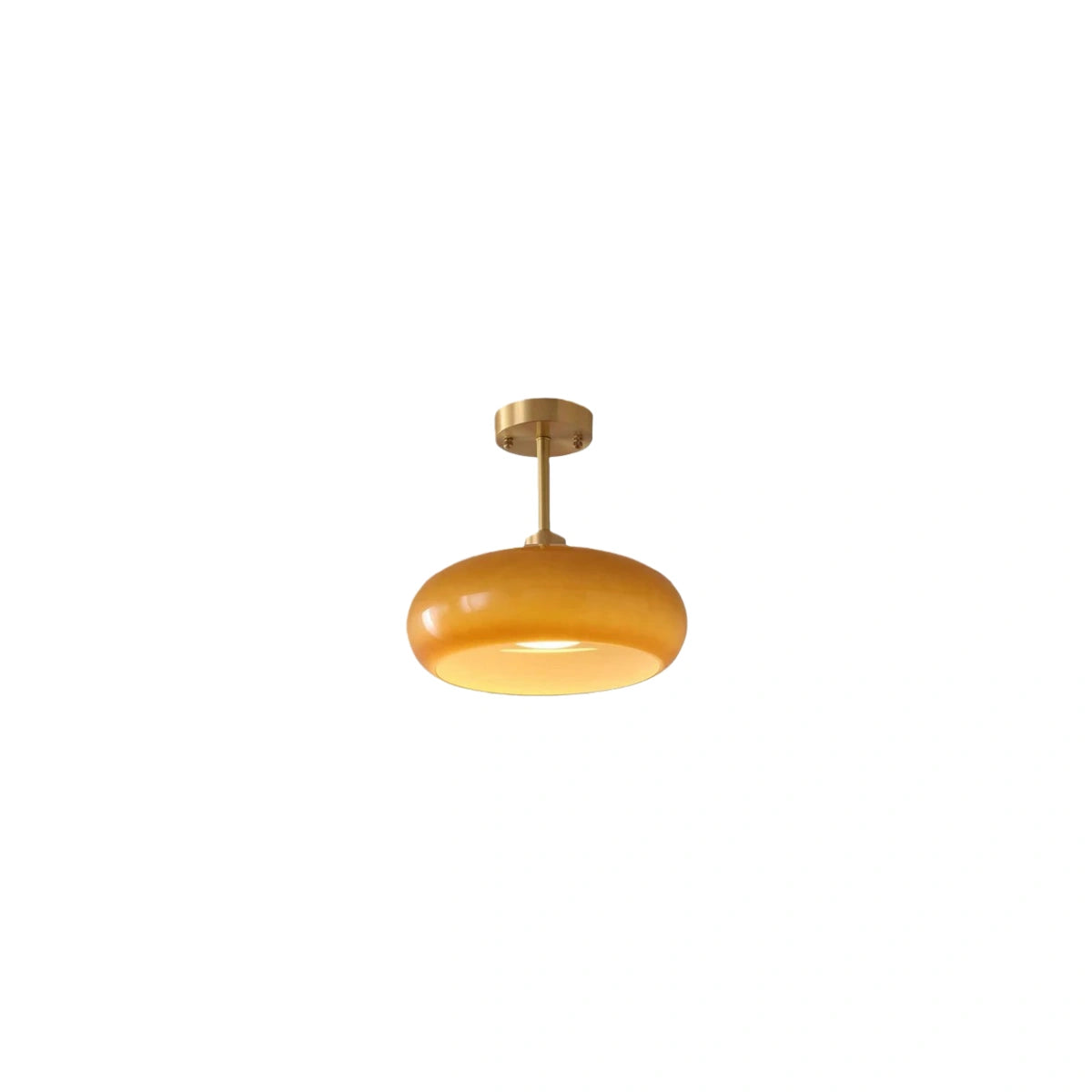
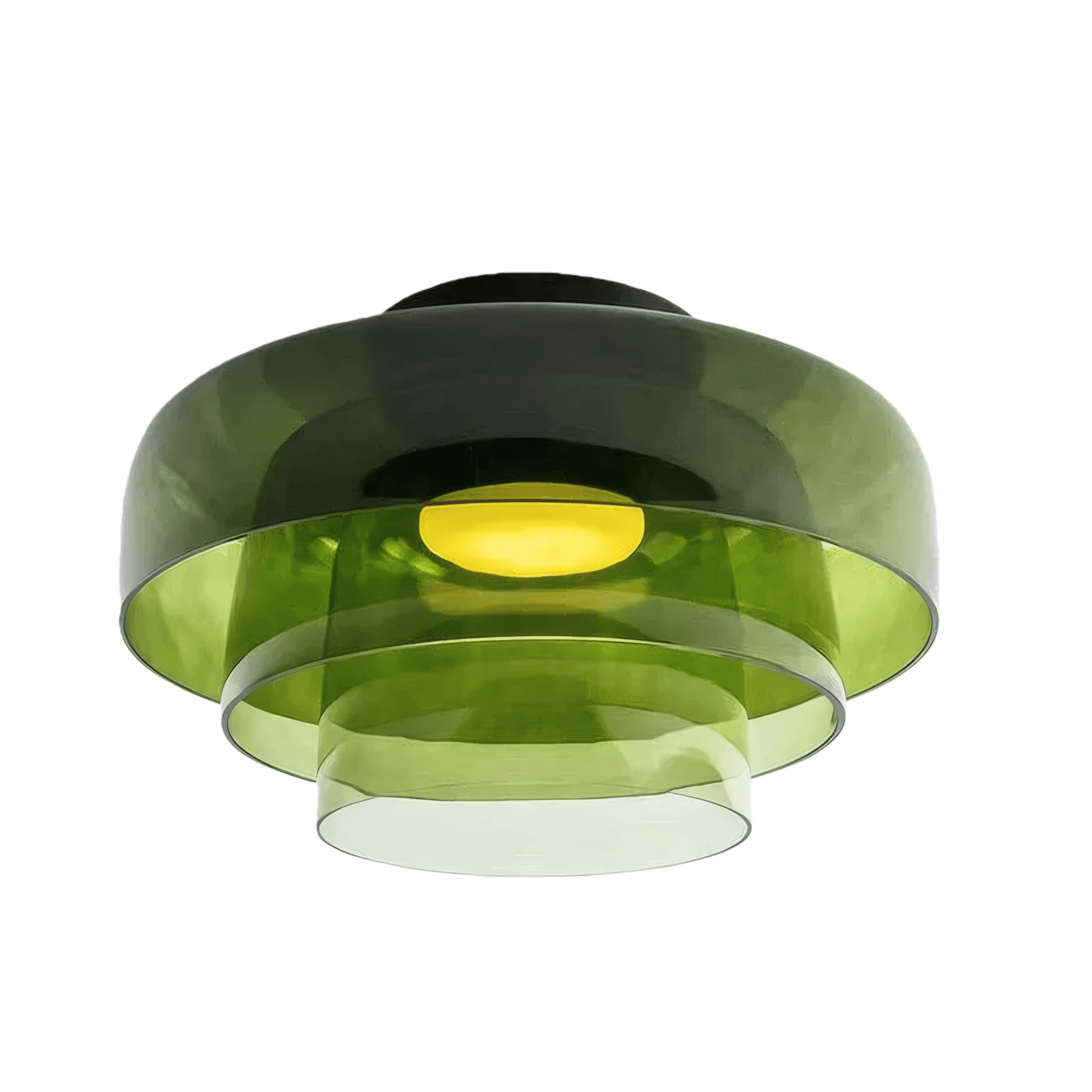
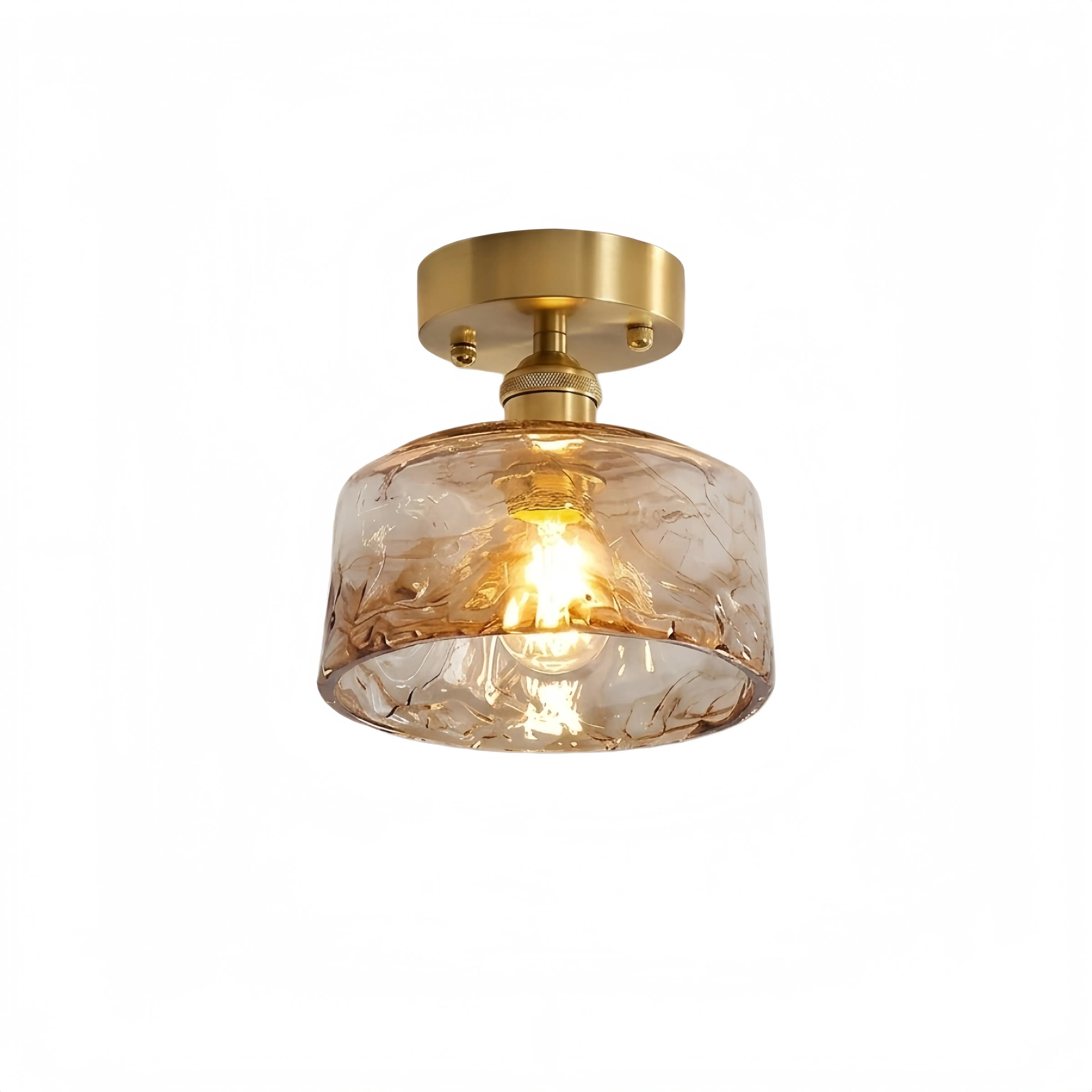
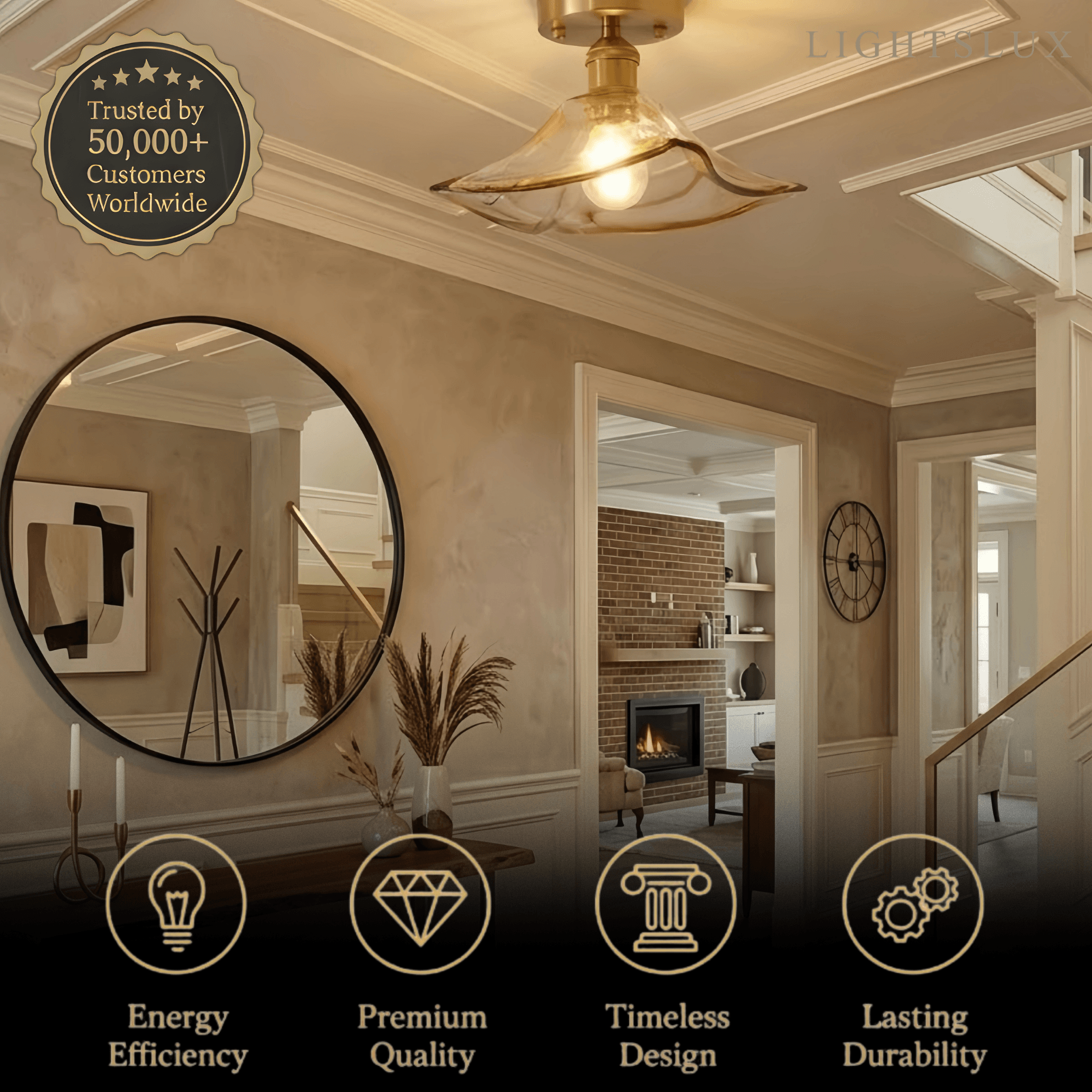
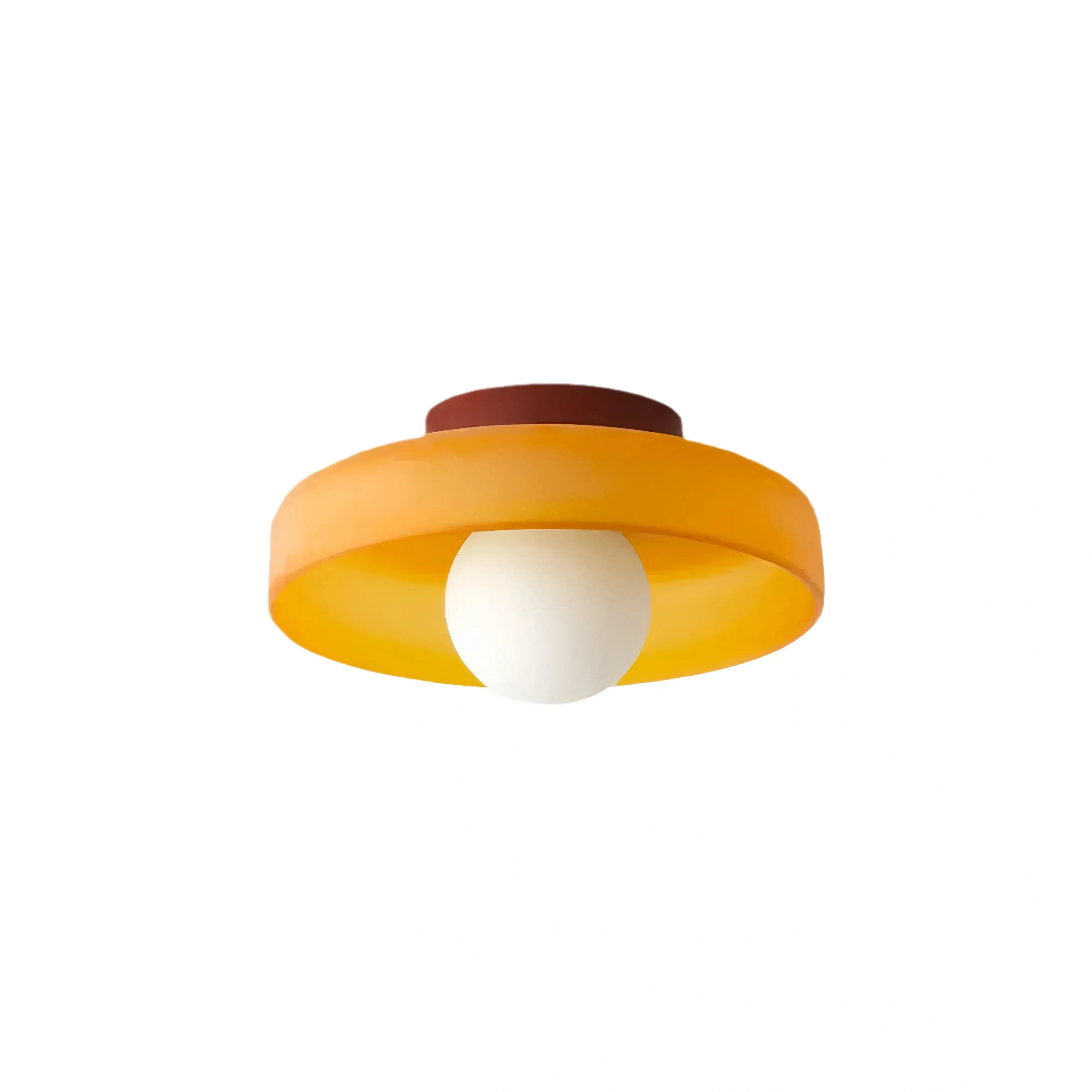
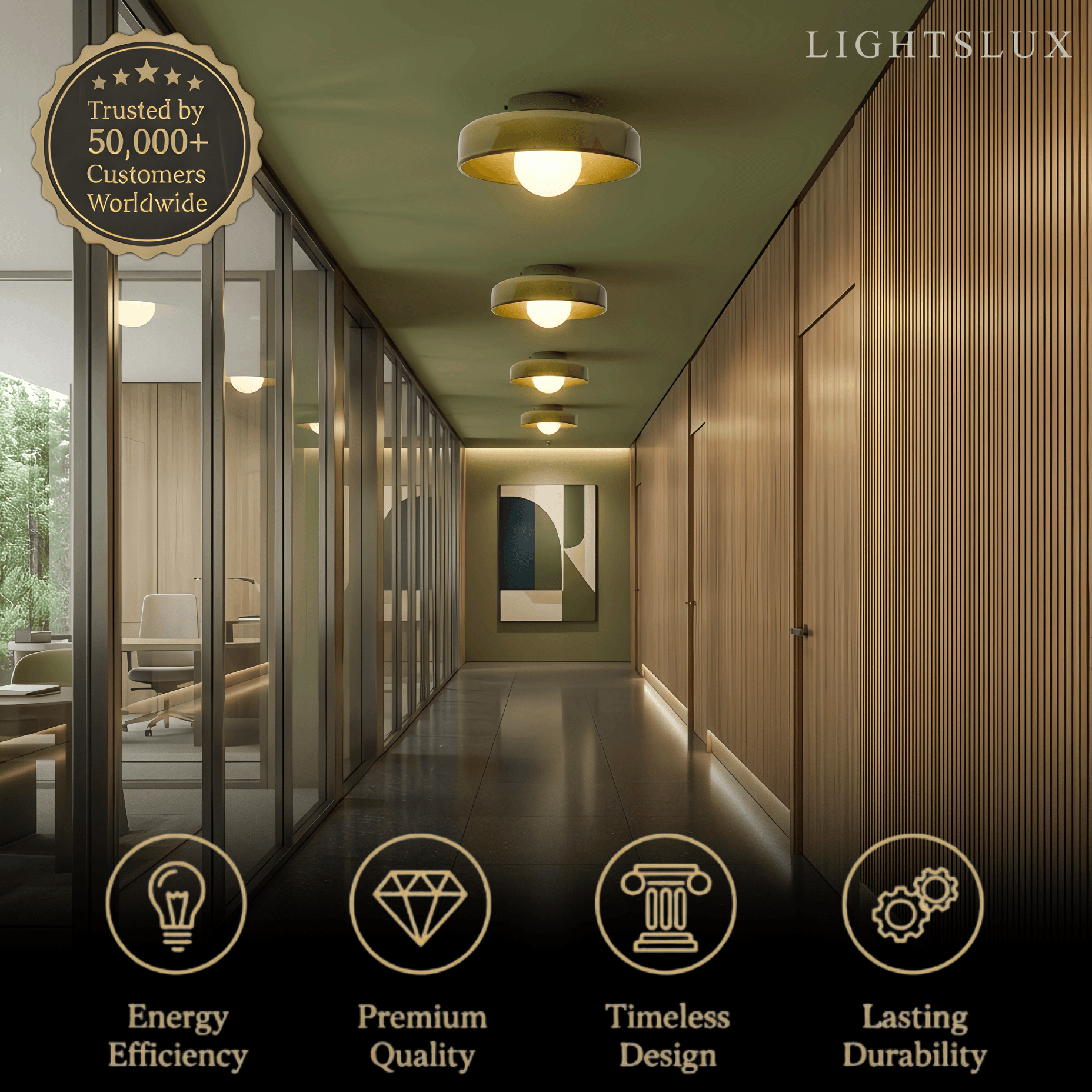
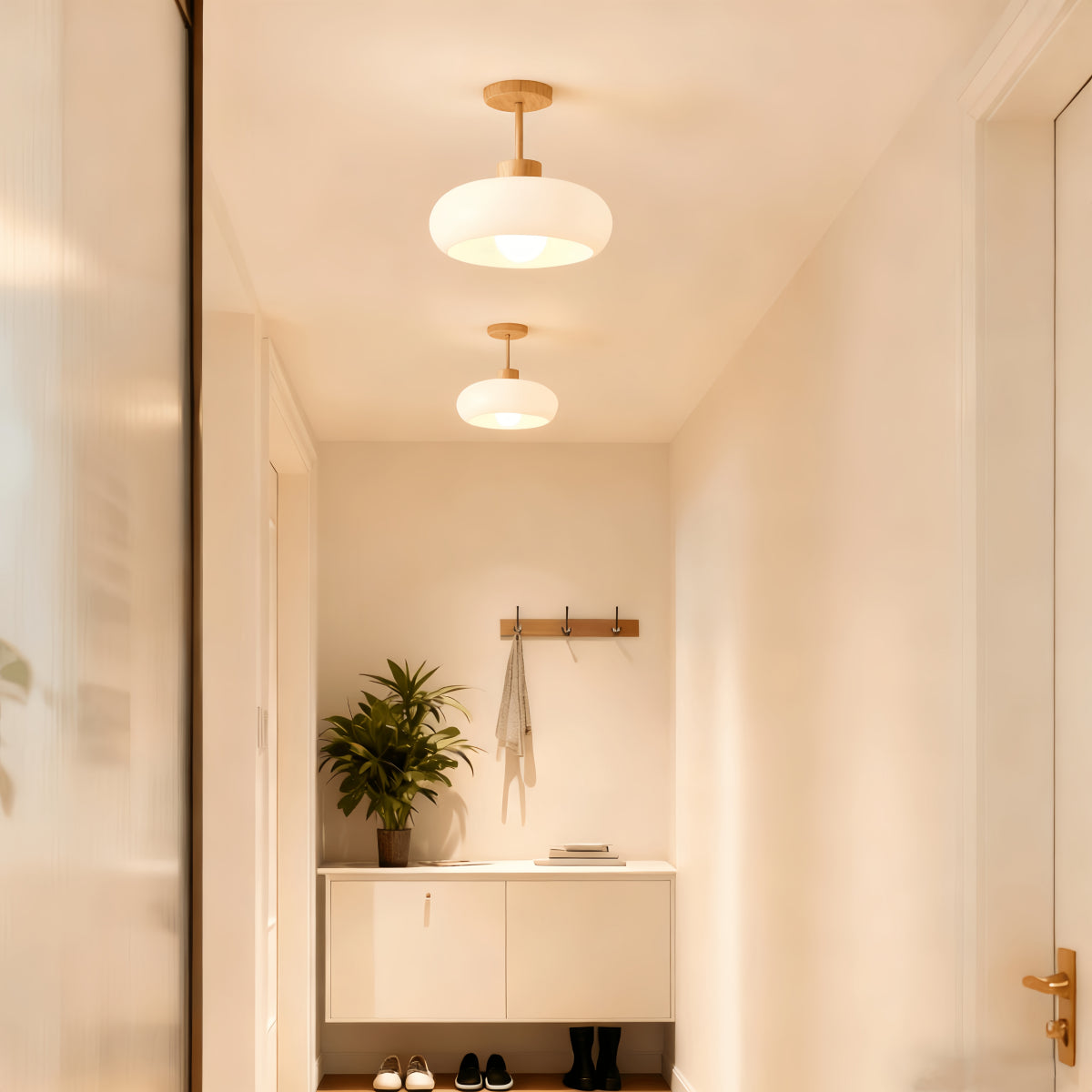
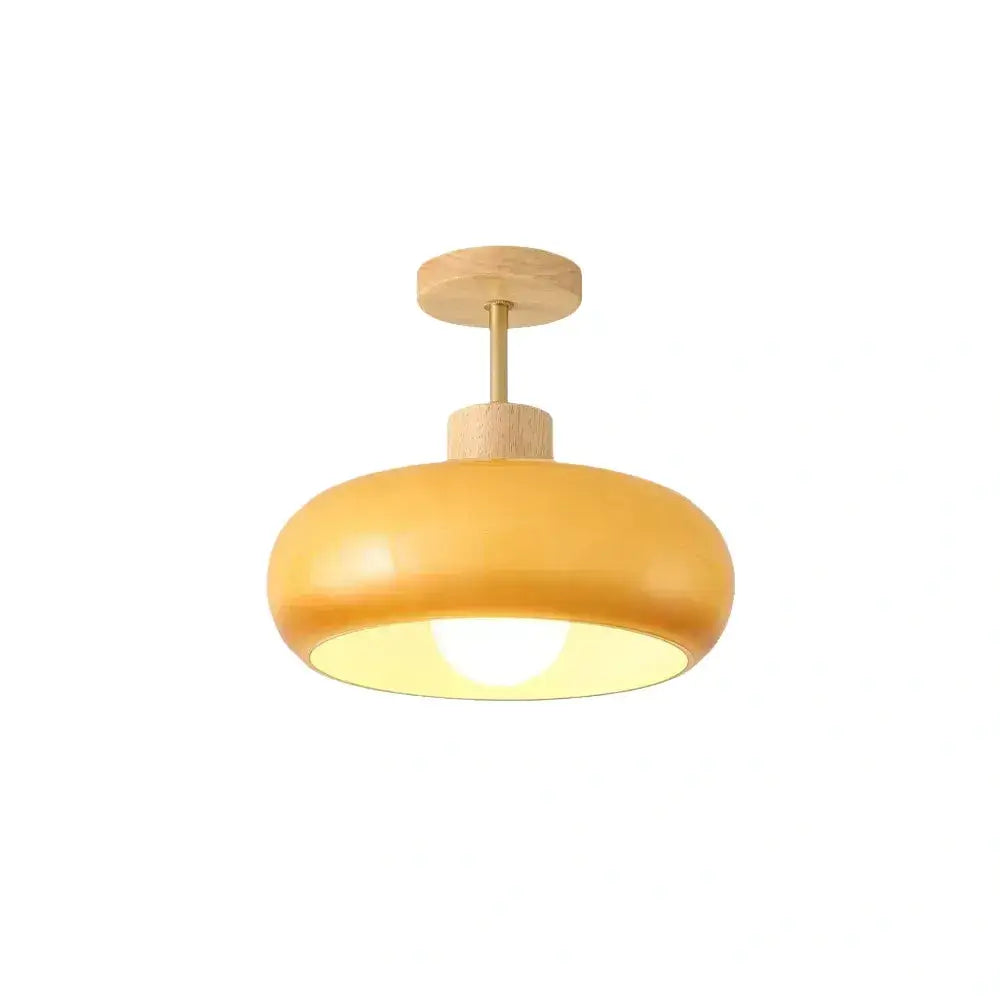
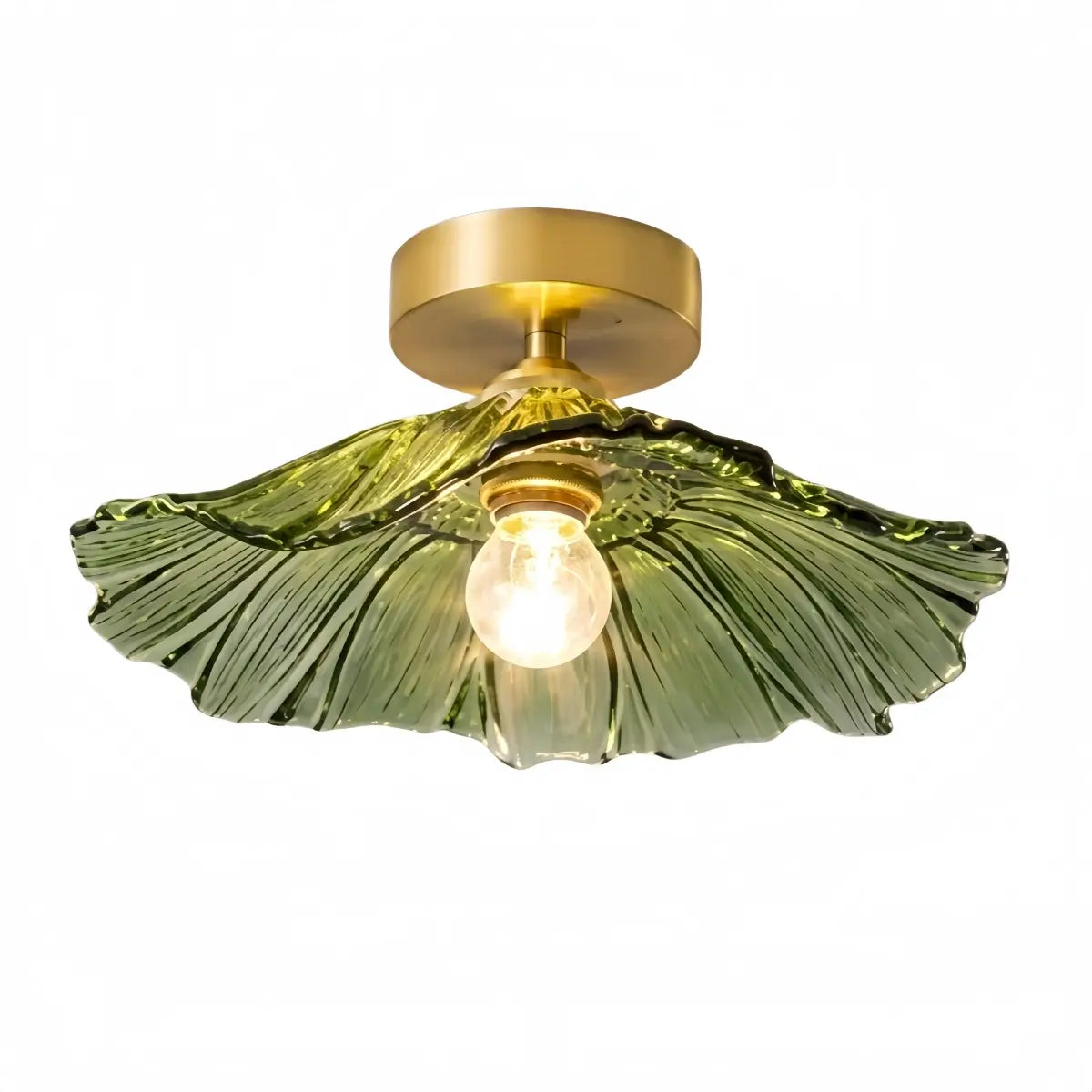
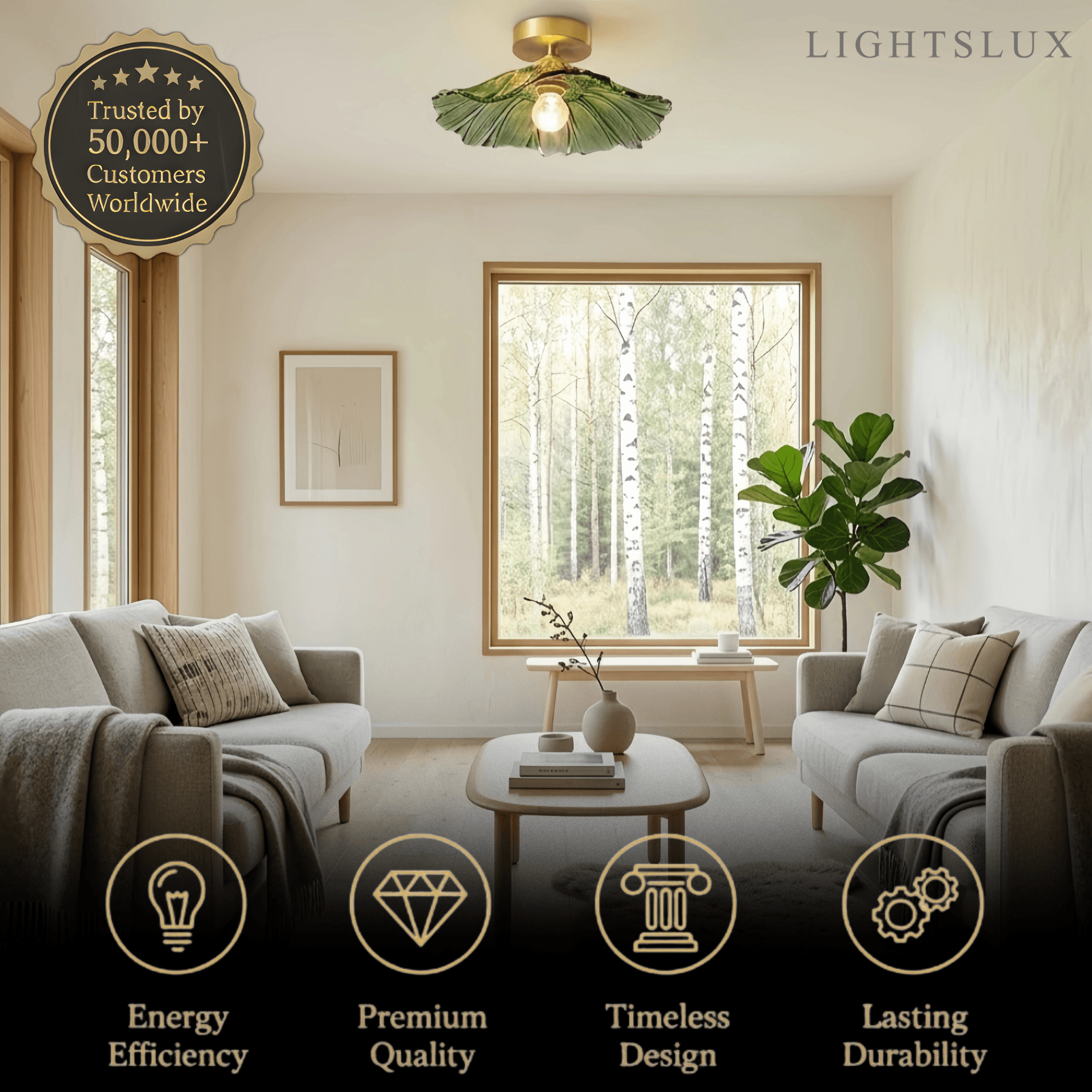
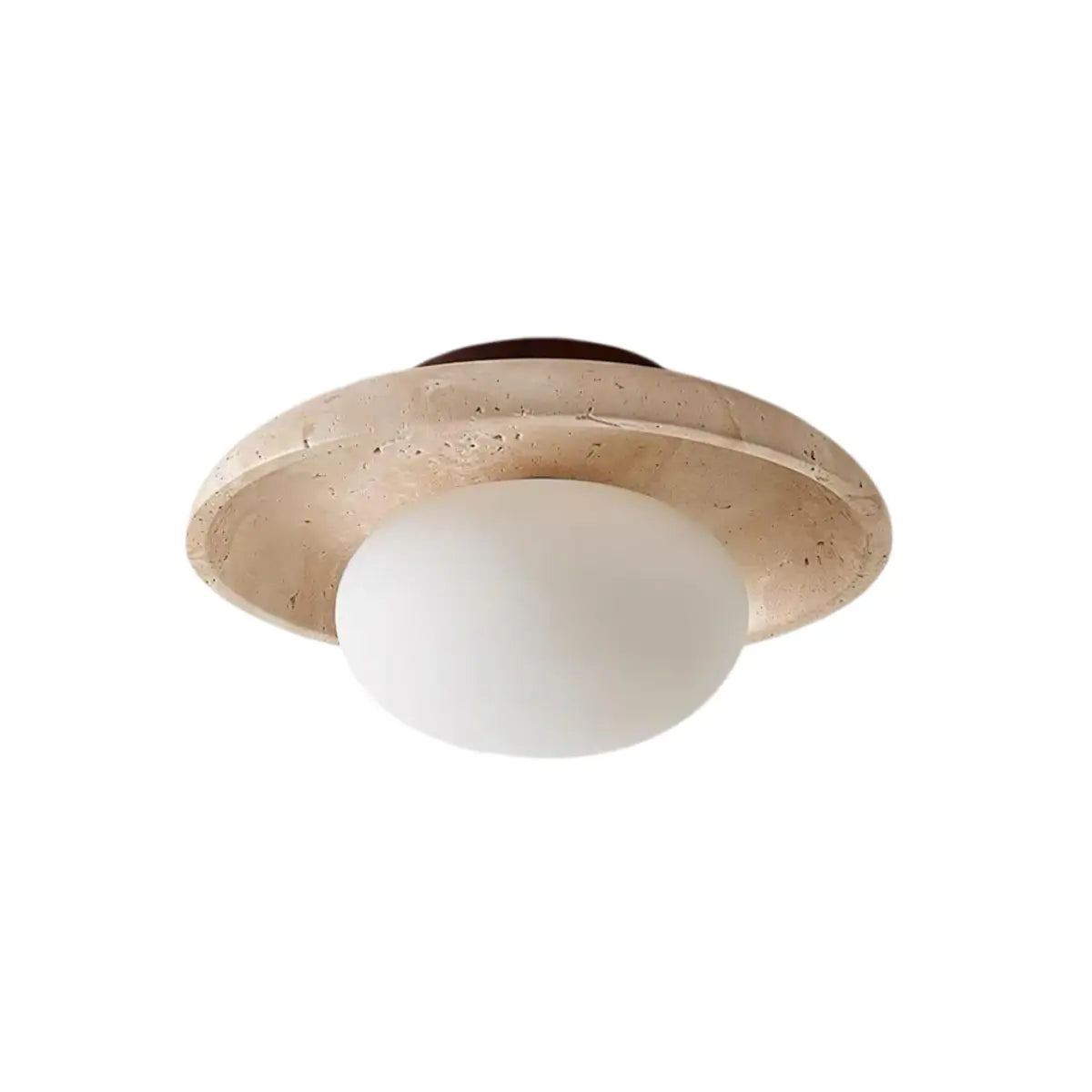
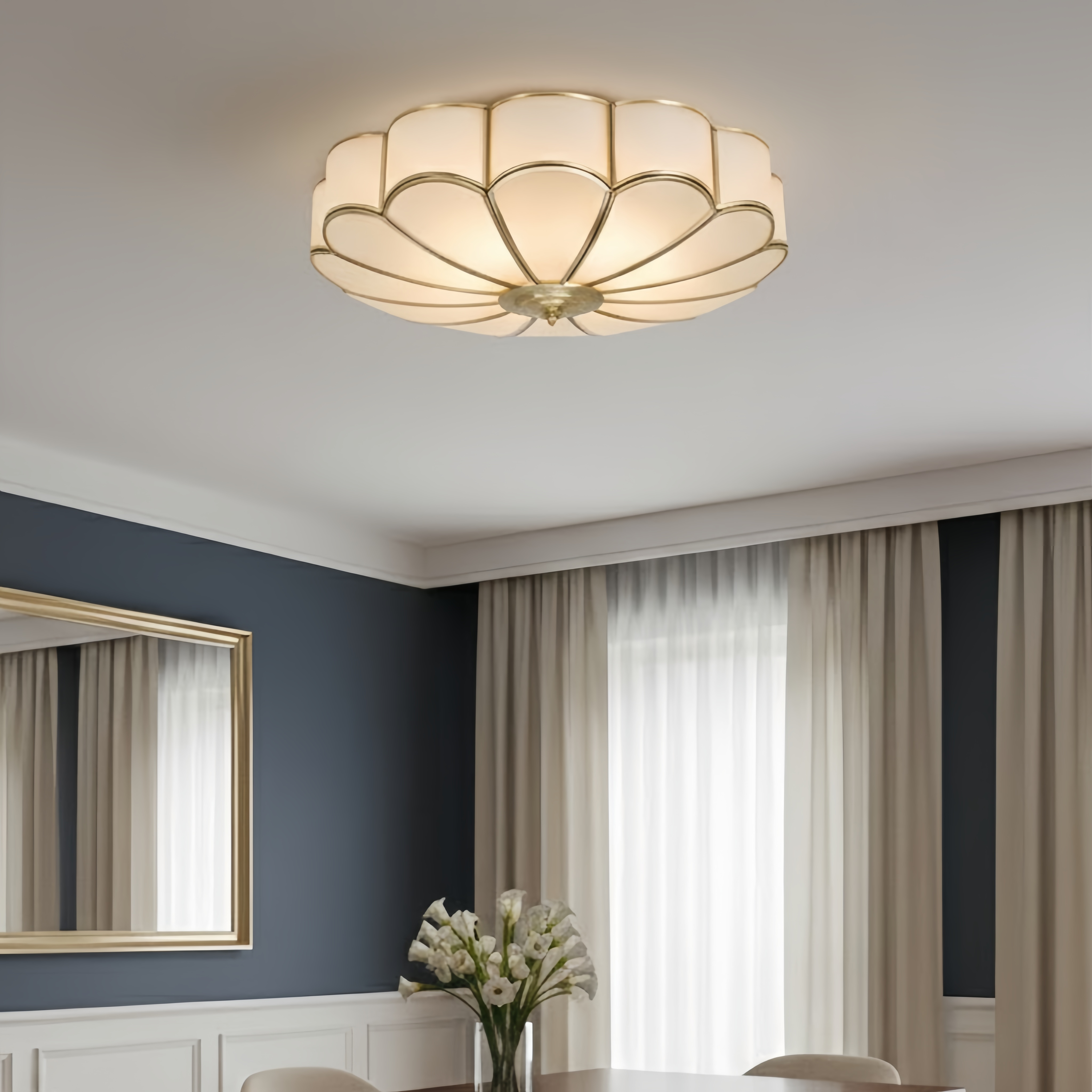
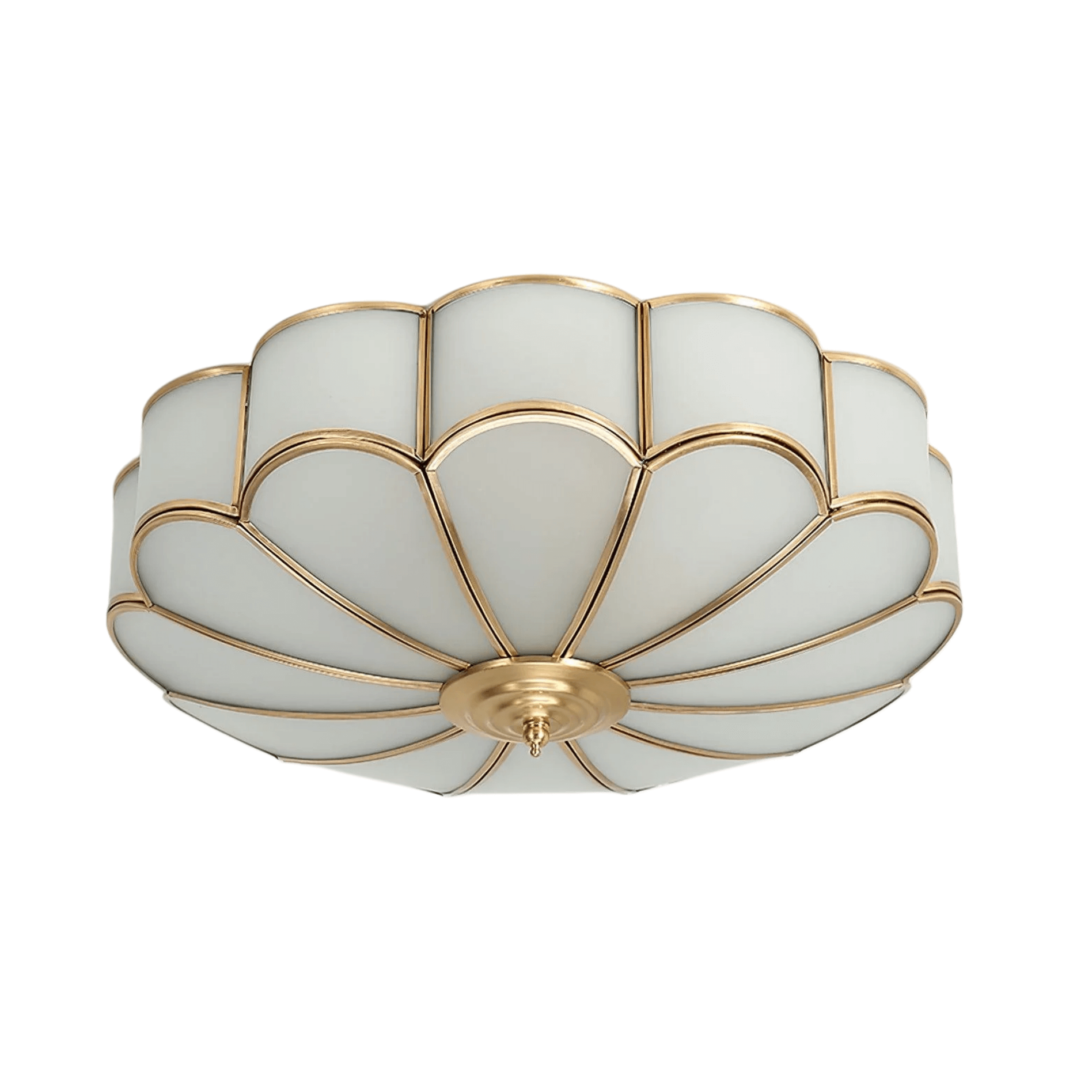
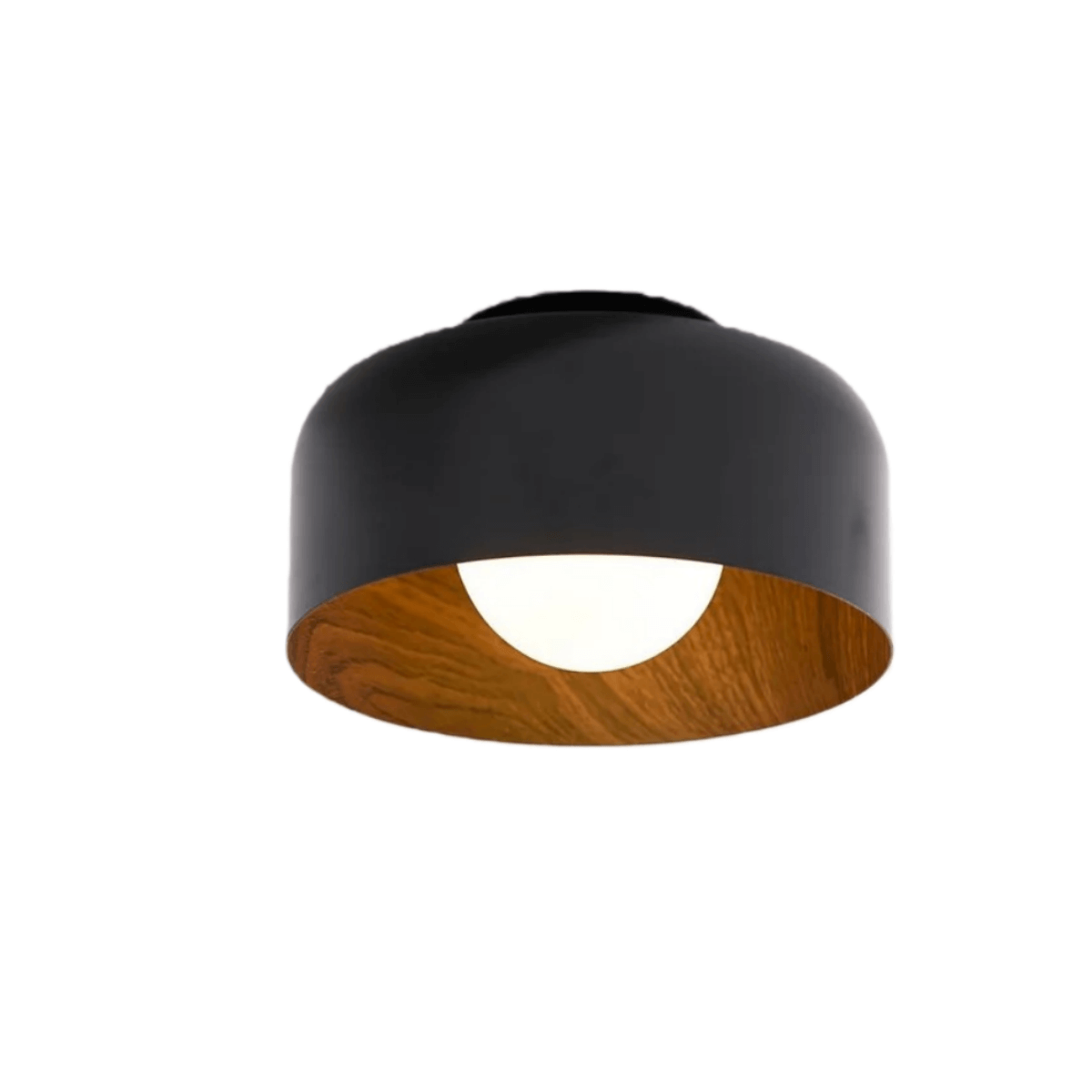
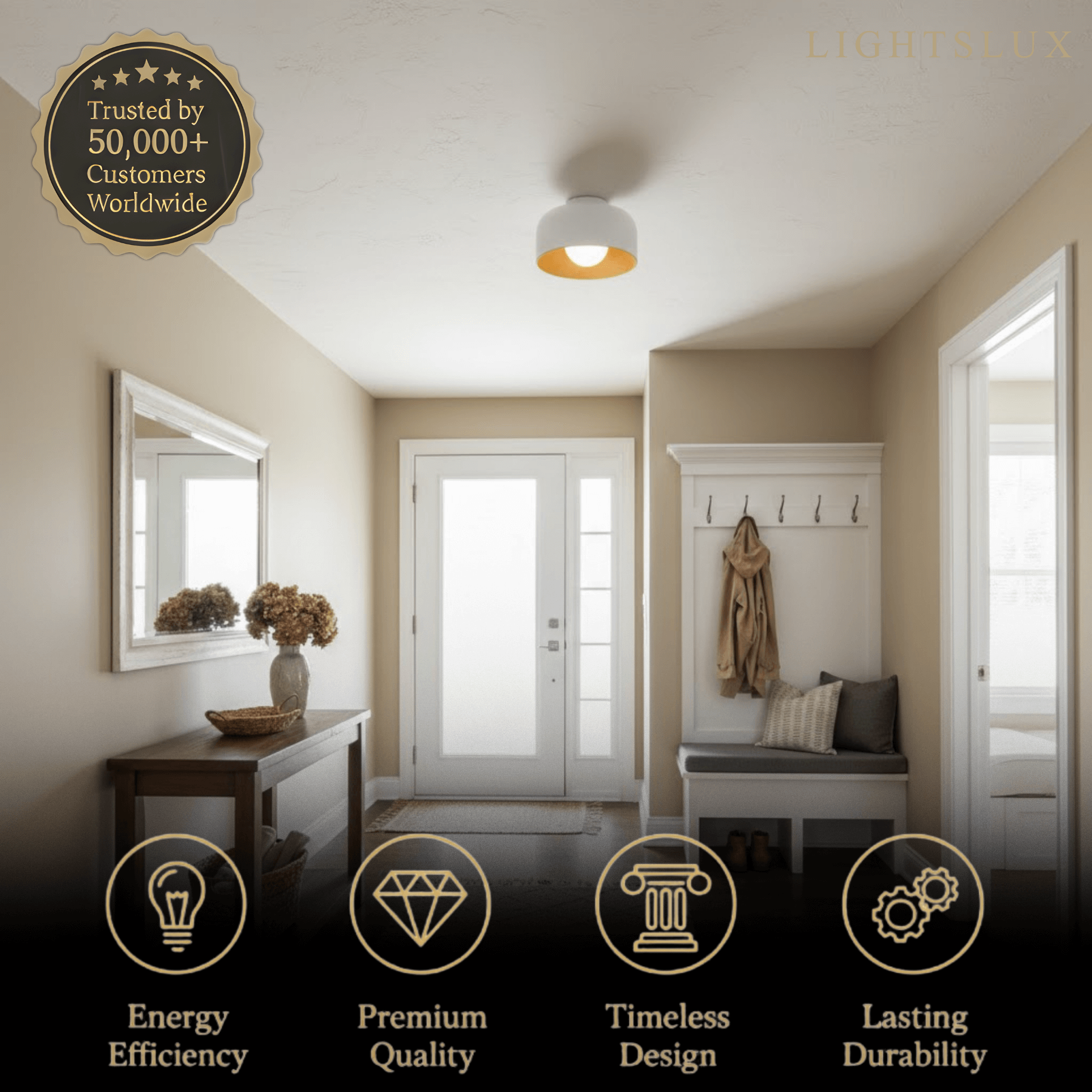
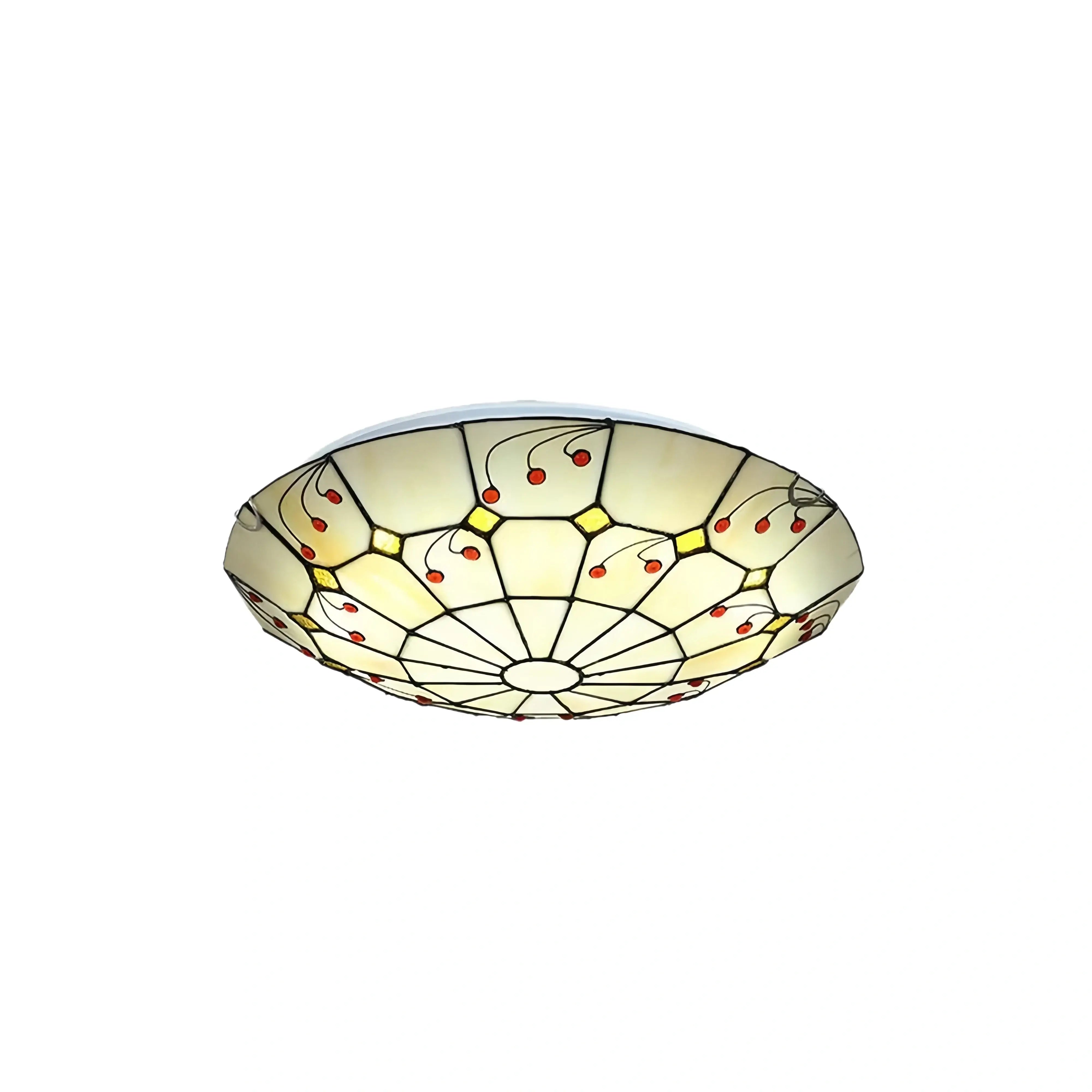
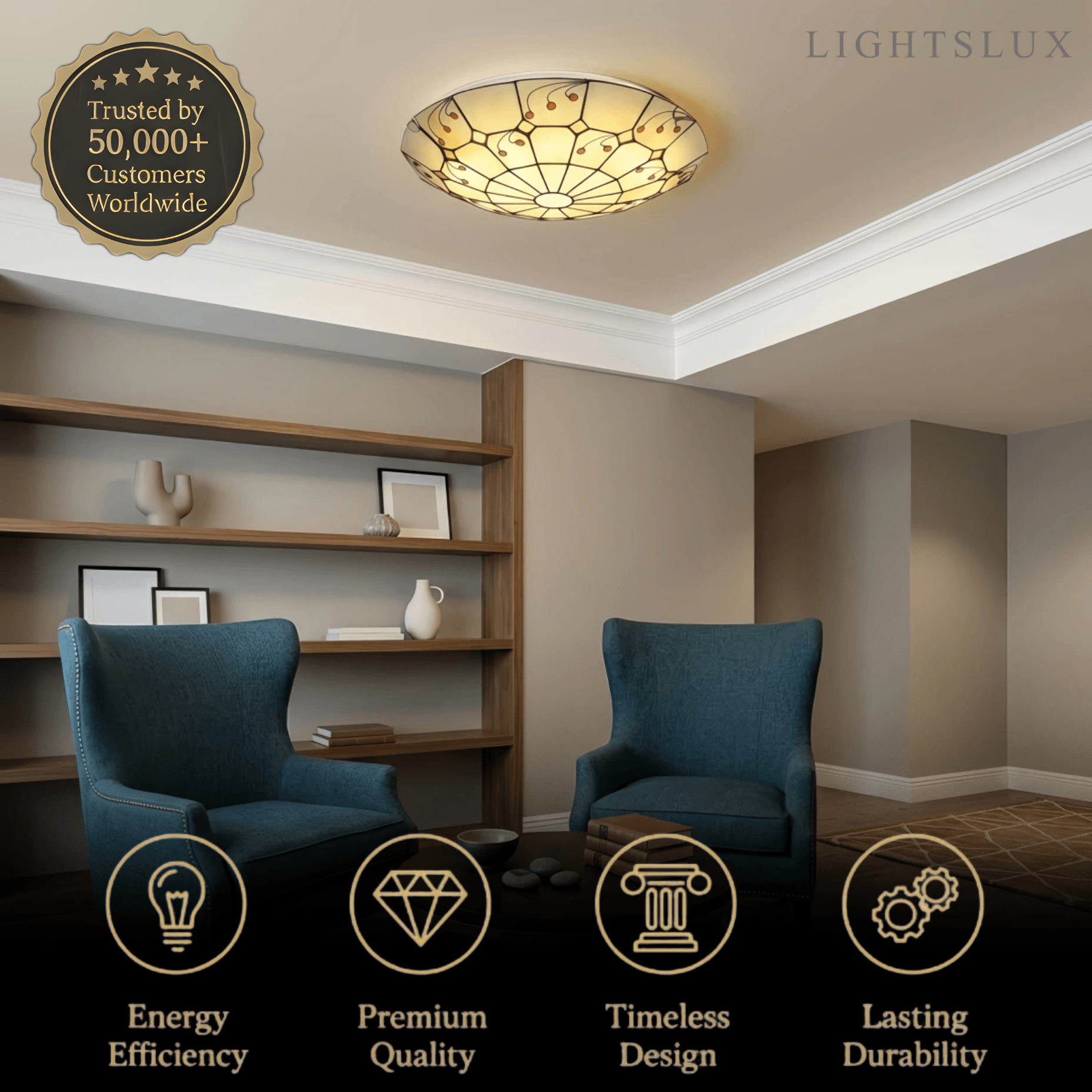
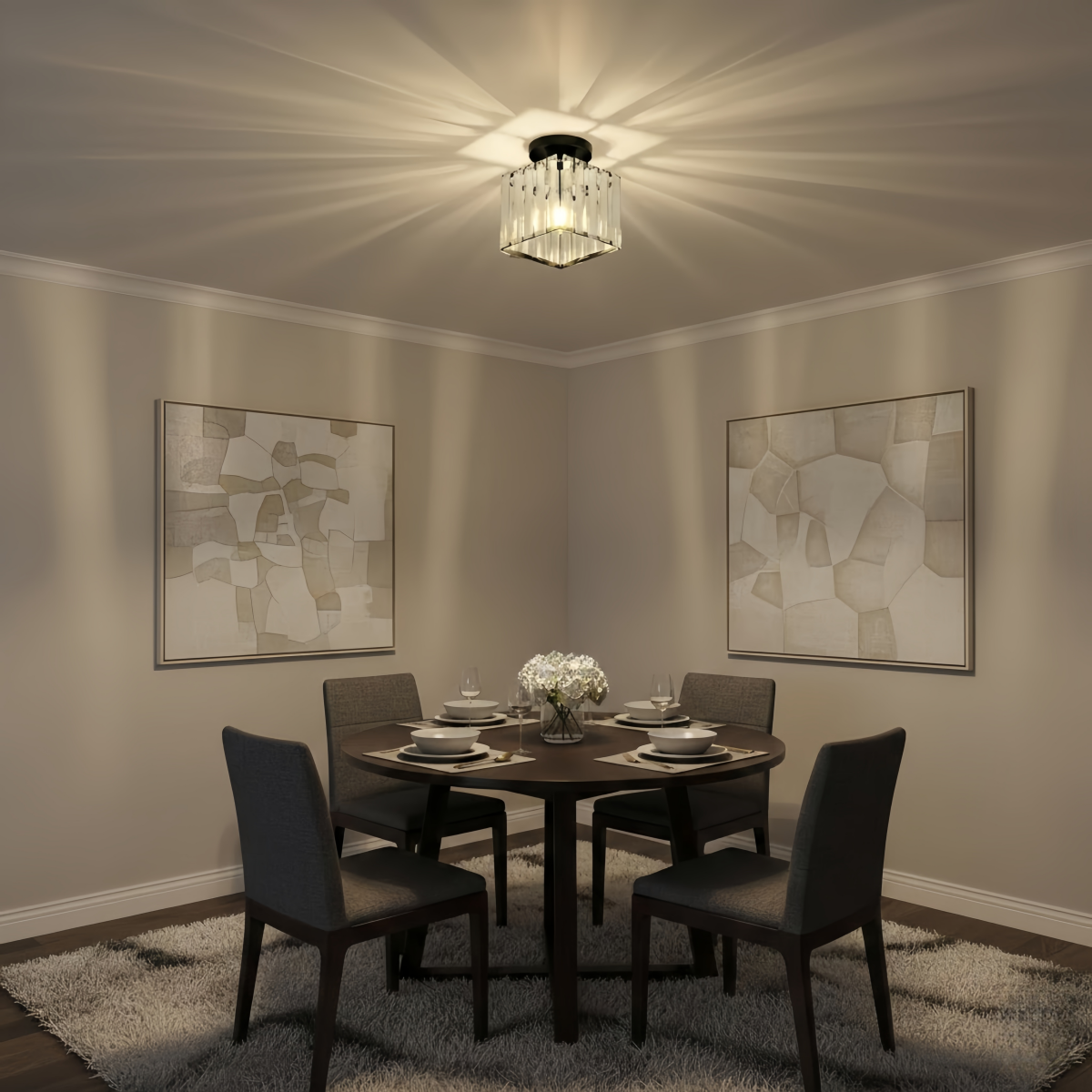
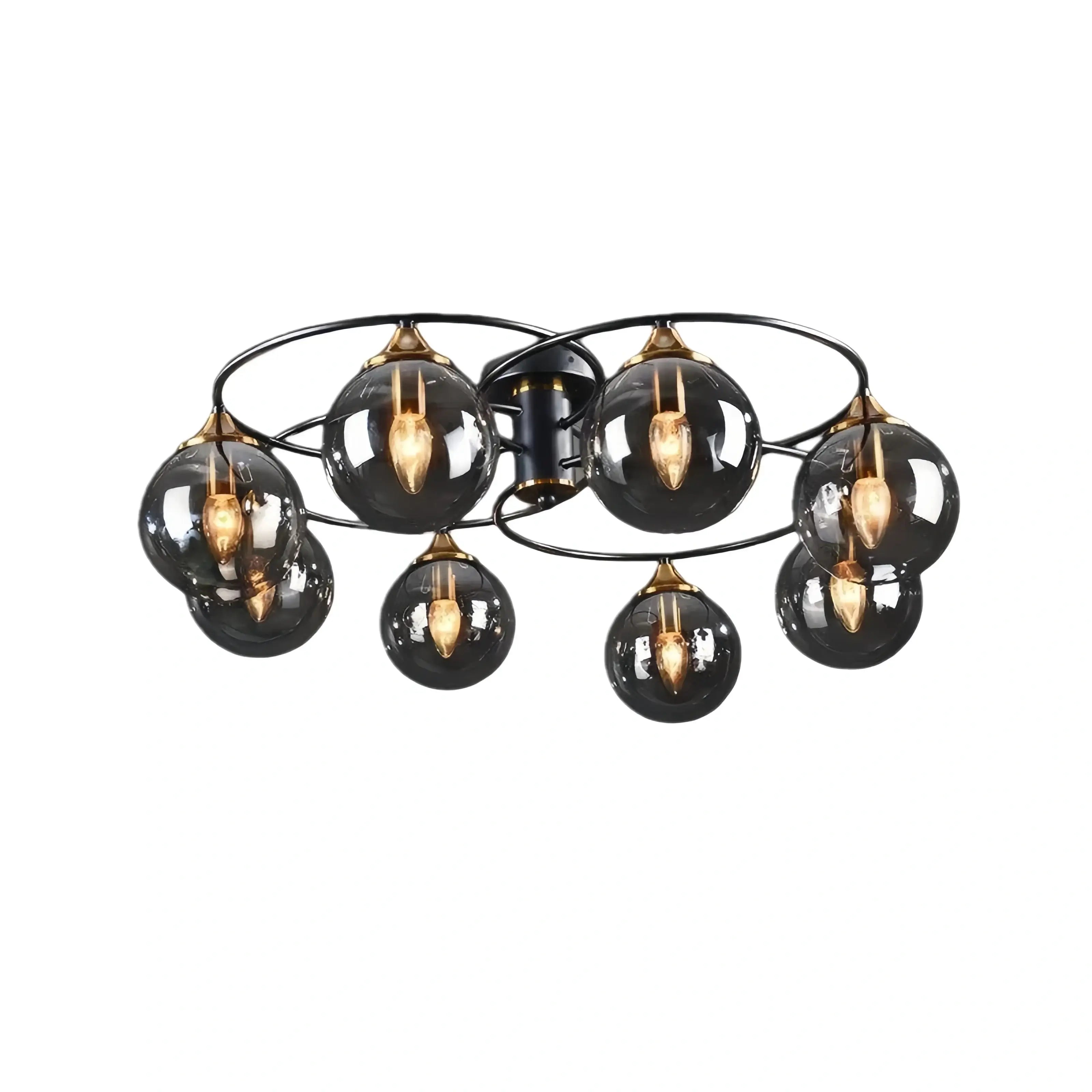
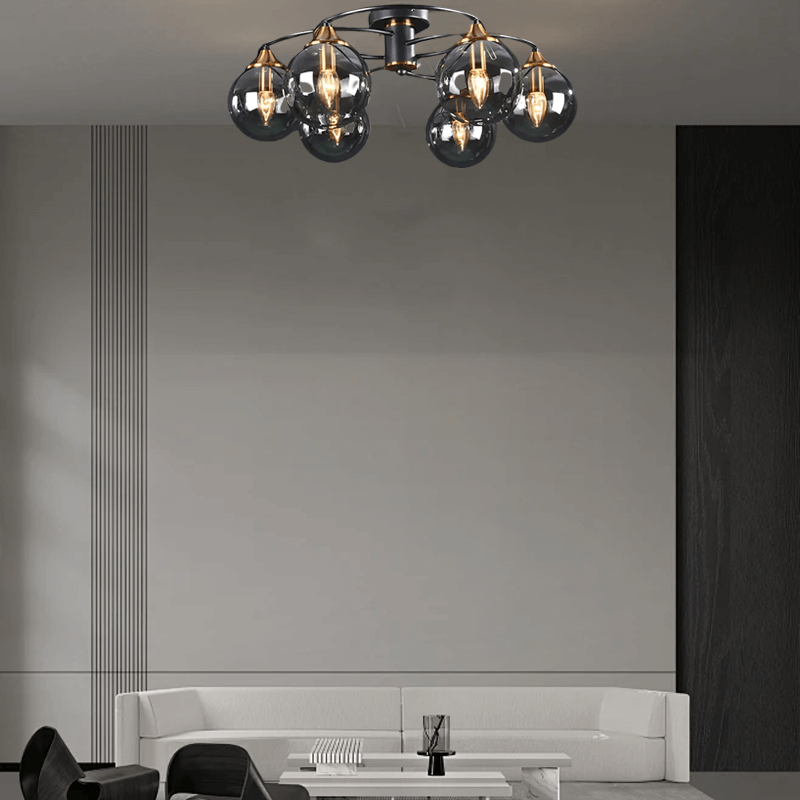
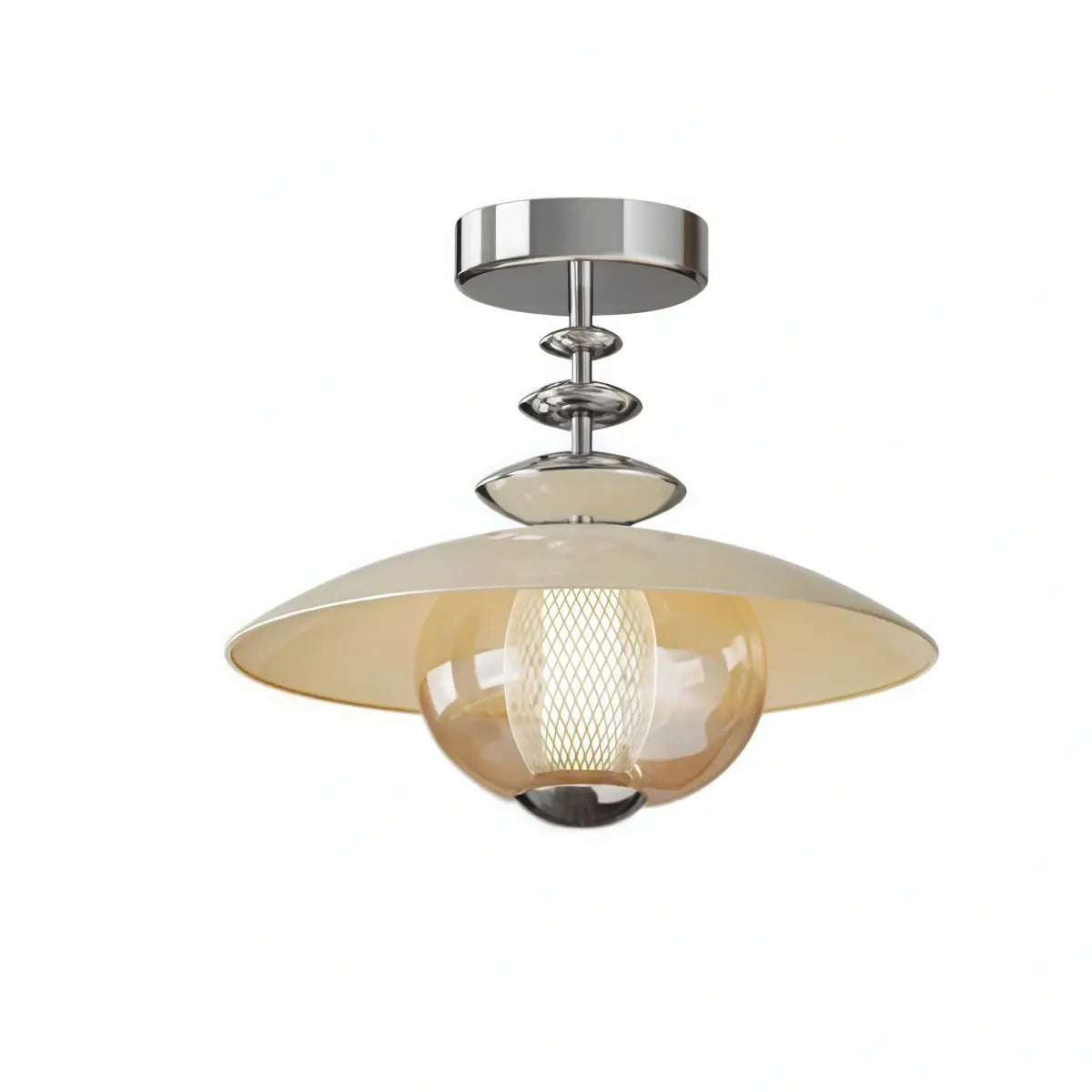
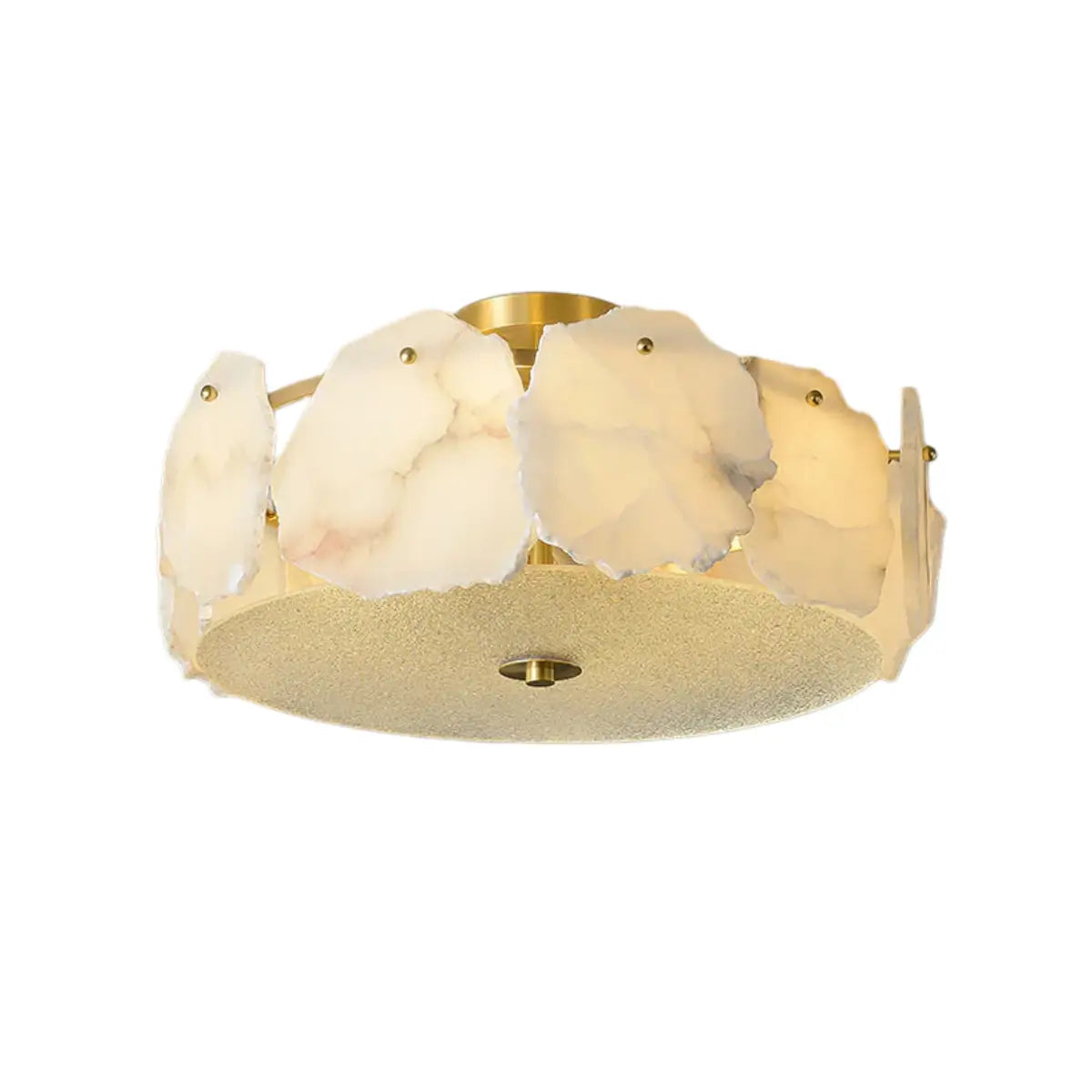
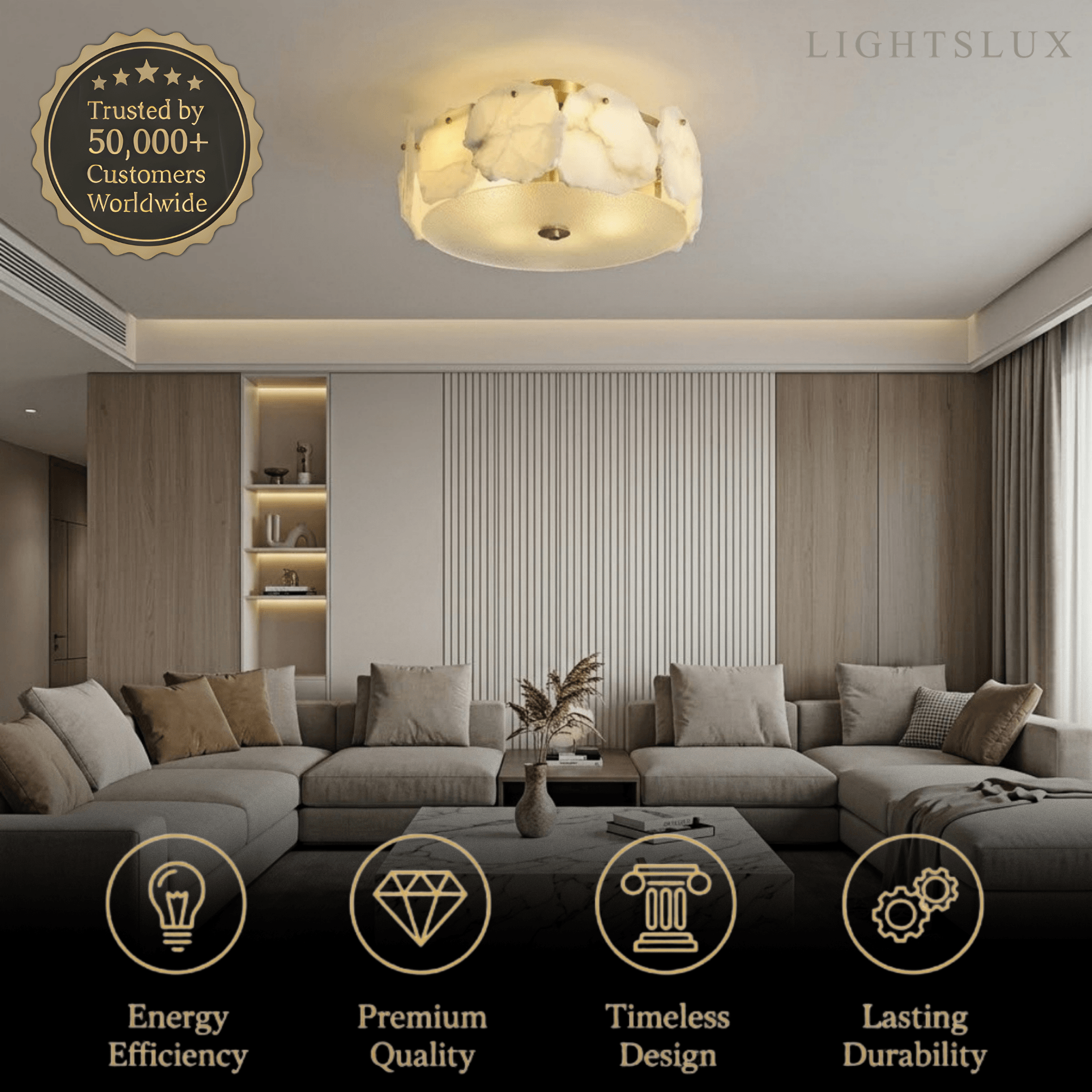
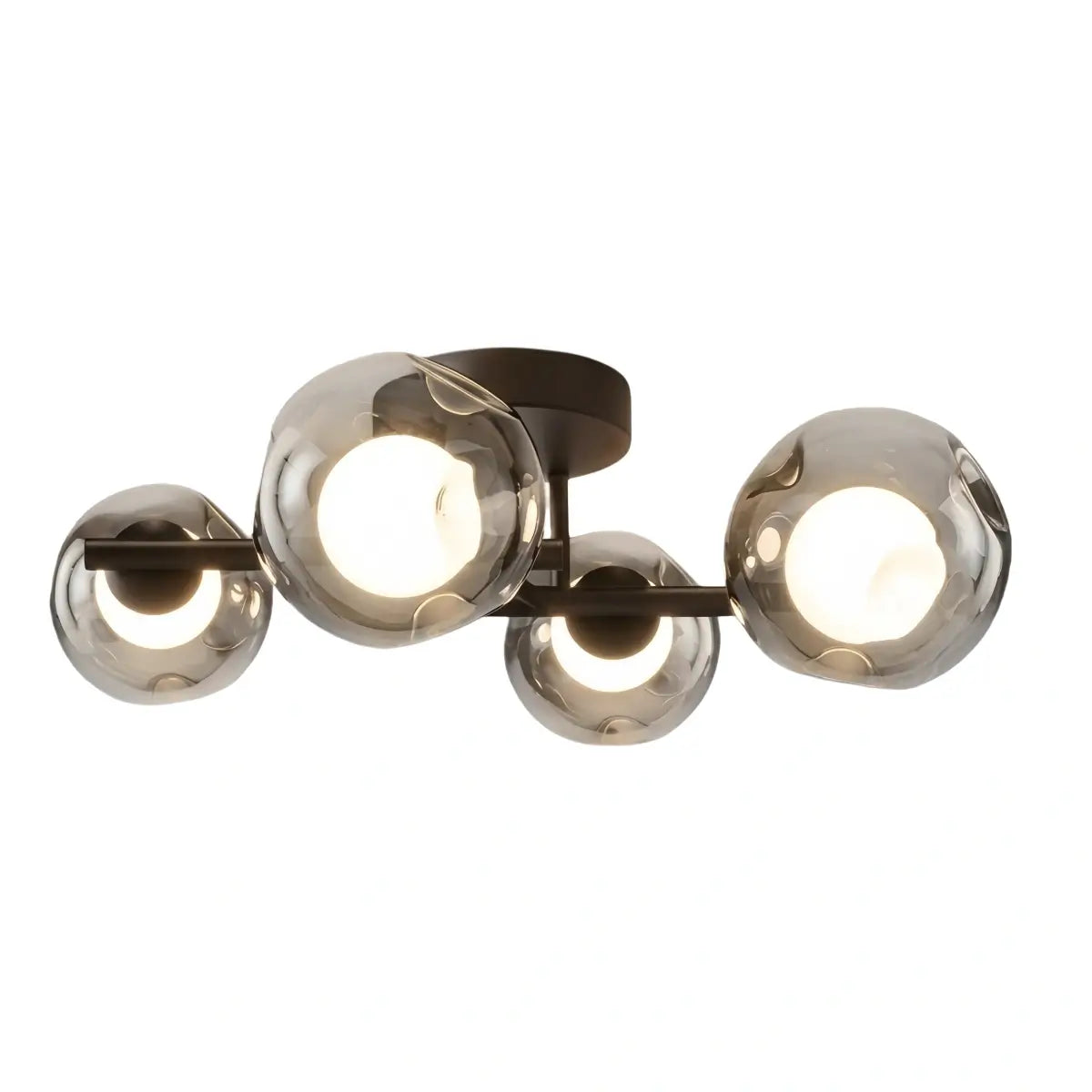
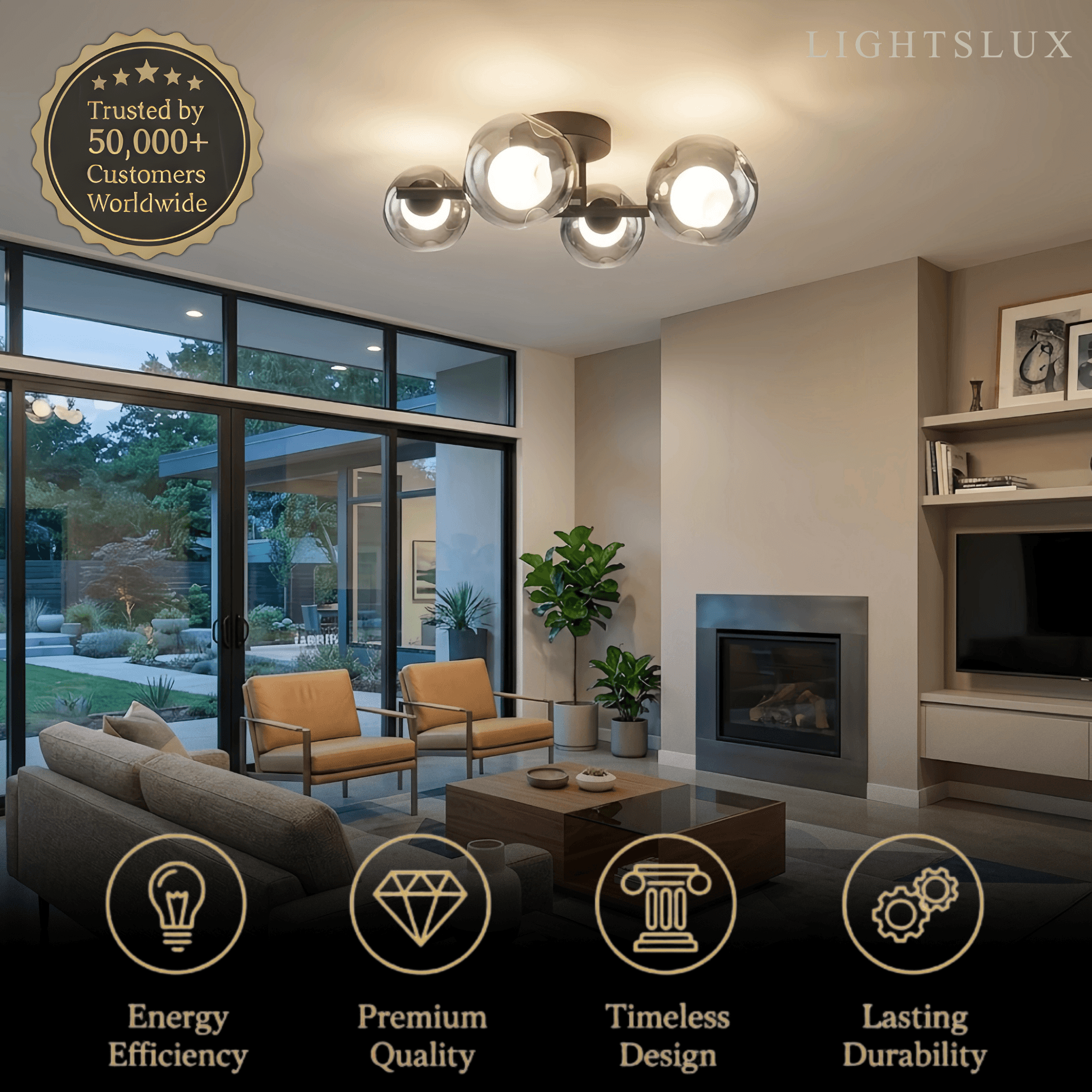
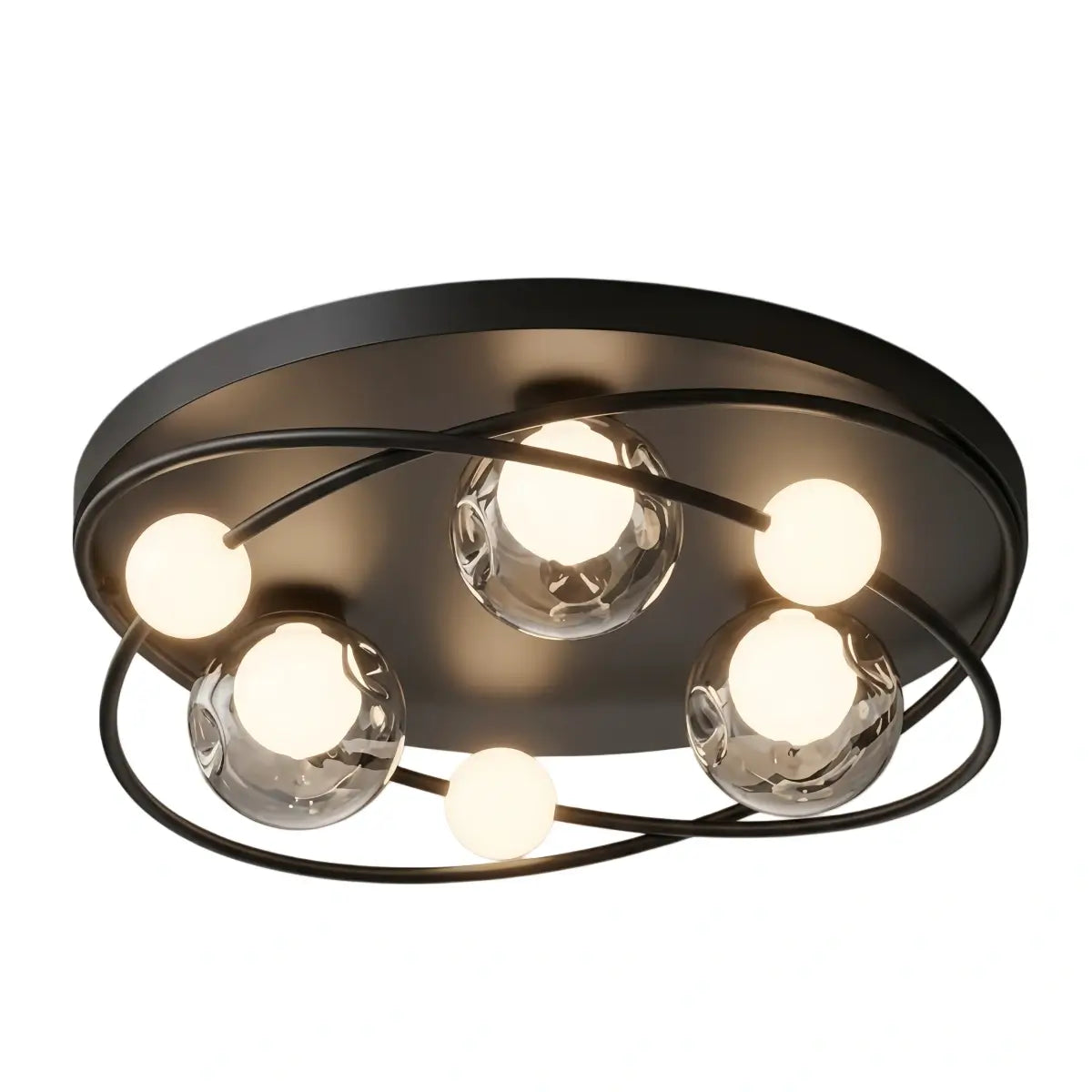
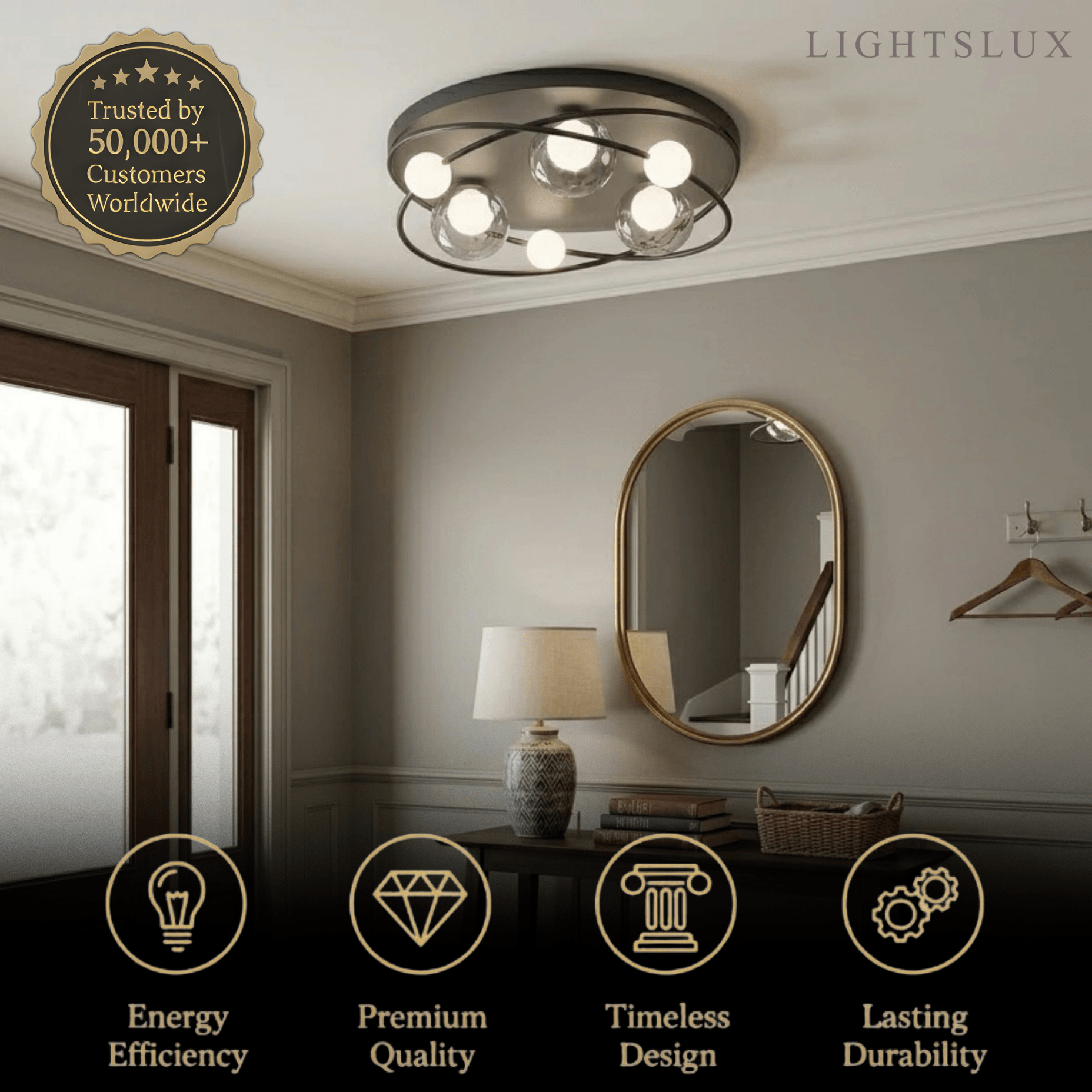
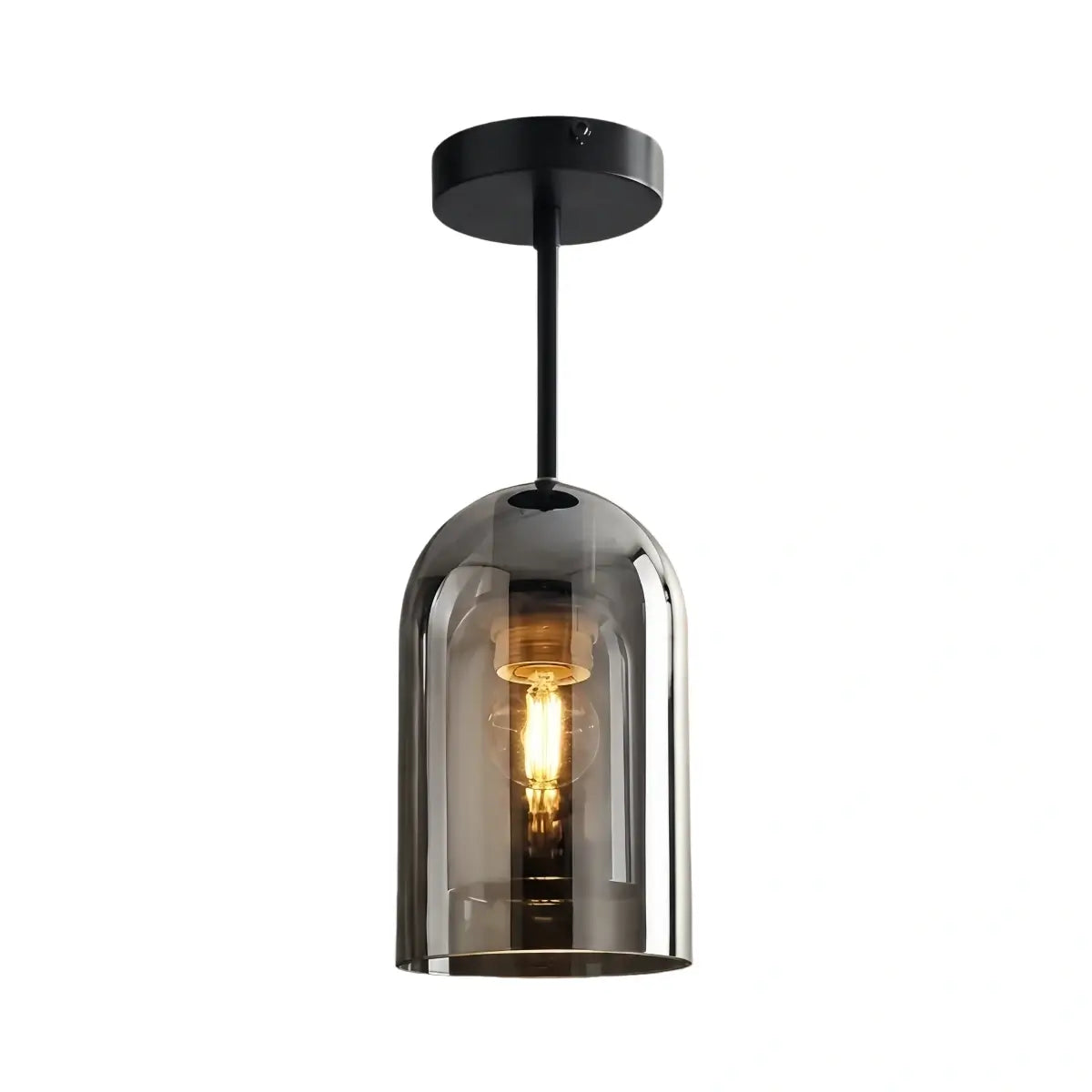
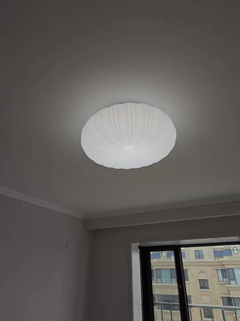
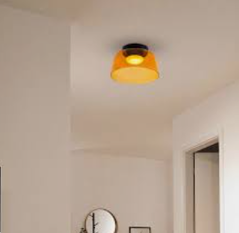
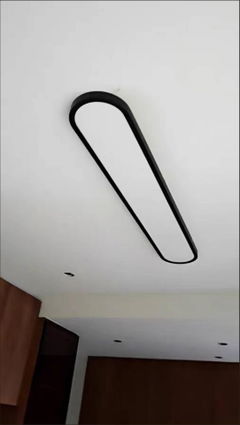
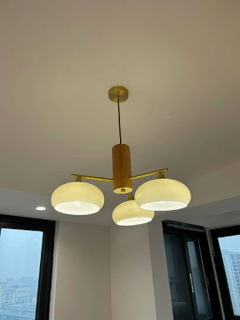
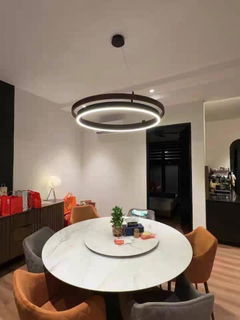
Glass ceiling lights are a popular choice for modern interiors because they combine elegant design, soft light diffusion, and practical everyday illumination. Featuring glass shades or decorative glass elements, these ceiling fixtures create a refined appearance while helping distribute light evenly throughout bedrooms, living rooms, dining spaces, and entryways. Compared with ordinary ceiling lights, glass ceiling lights provide a more sophisticated visual effect by allowing light to interact with transparent, frosted, or textured glass surfaces. This creates a comfortable atmosphere while adding decorative value to the ceiling area. Modern glass ceiling lights are available in various styles, including minimalist designs, contemporary fixtures, luxury-inspired forms, and LED-integrated options, making them suitable for different interior themes. When choosing a glass ceiling light, homeowners should consider factors such as glass type, fixture size, brightness, color temperature, and compatibility with room decoration. The right combination of material and lighting technology can enhance both the beauty and functionality of a space. For a deeper understanding of why glass ceiling lights are becoming increasingly popular, read 4 Top Advantages of Choosing Glass Ceiling Light LED in 2026.
Selecting the right glass ceiling light requires understanding how design, size, and lighting performance work together within a room. A glass ceiling fixture should provide sufficient illumination while complementing the surrounding furniture, wall colors, and interior style. For smaller bedrooms or apartments, compact glass flush mount ceiling lights can create a clean and spacious feeling without overwhelming the room. In larger living areas, statement glass ceiling lights with layered structures or decorative details can become an attractive focal point while maintaining comfortable ambient lighting. The type of glass also influences the final lighting effect. Frosted glass creates softer, glare-free illumination, while clear or textured glass can add more visual character and decorative appeal. In addition, LED technology allows modern glass ceiling lights to provide energy-efficient performance, long-lasting use, and consistent brightness. Understanding these factors helps homeowners choose a fixture that matches both practical needs and aesthetic preferences. For more guidance on selecting the right LED ceiling fixture for different spaces, explore What to Consider When Buying LED Ceiling Lights for Your Space.
The glass material used in ceiling lights plays an important role in determining both the visual style and lighting effect of a room. Different glass finishes, such as clear glass, frosted glass, and textured glass, can create completely different atmospheres by changing how light spreads throughout the space. Clear glass ceiling lights allow more direct light transmission and create a brighter, more open feeling, making them suitable for modern interiors that emphasize transparency and visual simplicity. Frosted glass ceiling lights, on the other hand, diffuse light more evenly and help reduce harsh glare, making them ideal for bedrooms, living rooms, and relaxing areas where softer illumination is preferred. Understanding the differences between various glass treatments can help homeowners choose a ceiling fixture that matches both functional needs and decorative preferences. The choice of glass also affects how the fixture interacts with furniture, wall colors, and other design elements in the room. For more insights into how different glass finishes influence lighting performance and interior atmosphere, read Clear vs Frosted Glass Pendant Lights for Kitchen Islands: Which One Makes More Sense?
Installation is an important consideration when choosing a glass ceiling light, especially for homeowners who want to upgrade their lighting while maintaining a clean and modern ceiling appearance. Many contemporary glass ceiling lights use LED technology, which offers energy efficiency, long-lasting performance, and consistent illumination for everyday residential spaces. Before installing a new ceiling fixture, homeowners should consider factors such as electrical compatibility, mounting position, ceiling structure, and whether the selected light provides suitable coverage for the room. Proper installation ensures that the glass shade, LED components, and fixture structure work together safely while achieving the desired lighting effect. For DIY enthusiasts, understanding the basic installation process can also help prepare for fixture replacement and home lighting upgrades. Beyond installation, choosing the right placement and brightness level allows a glass ceiling light to perform effectively while enhancing the overall interior design. For step-by-step guidance on installing modern LED ceiling fixtures and important preparation tips, read DIY Guide to Installing LED Ceiling Lights at Home.