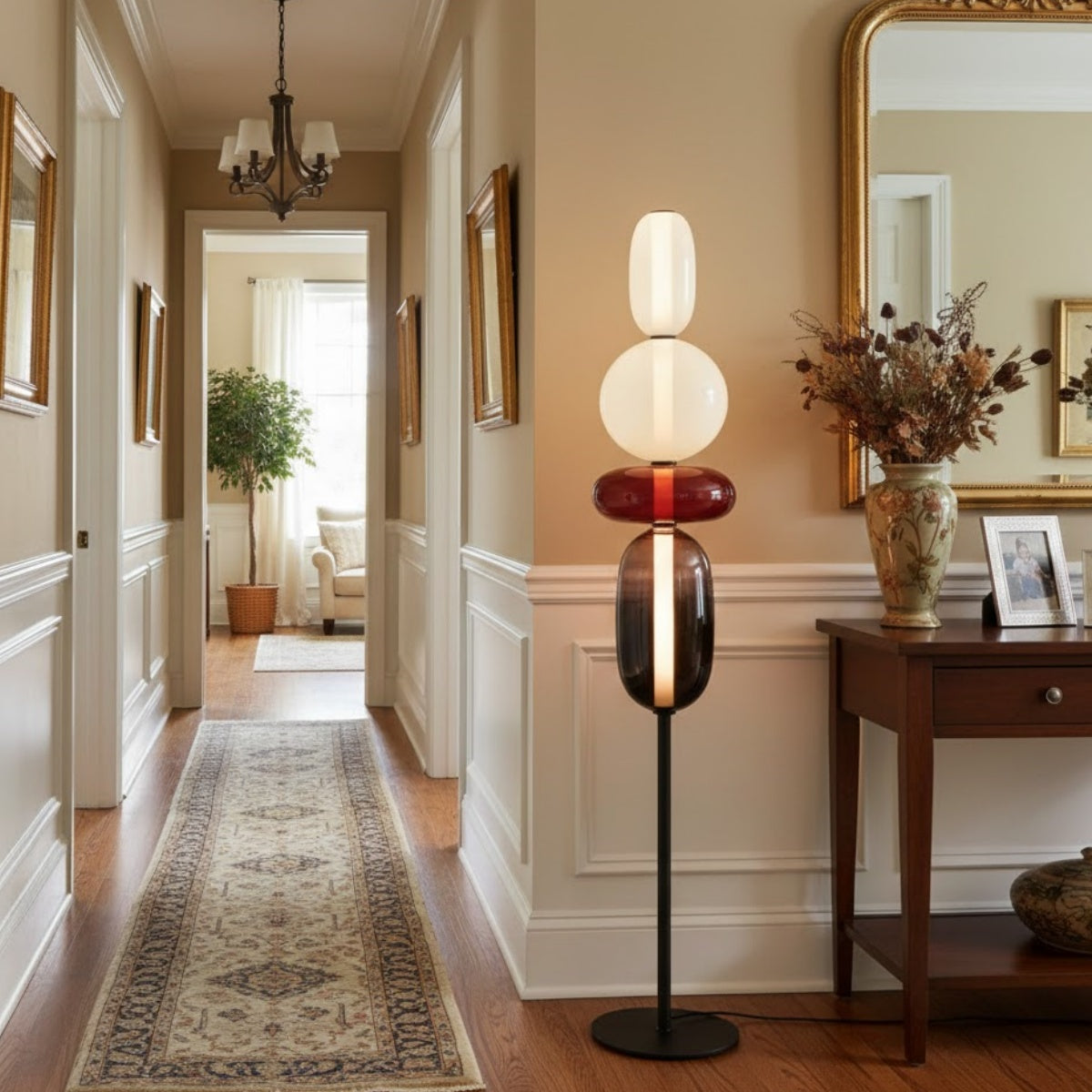
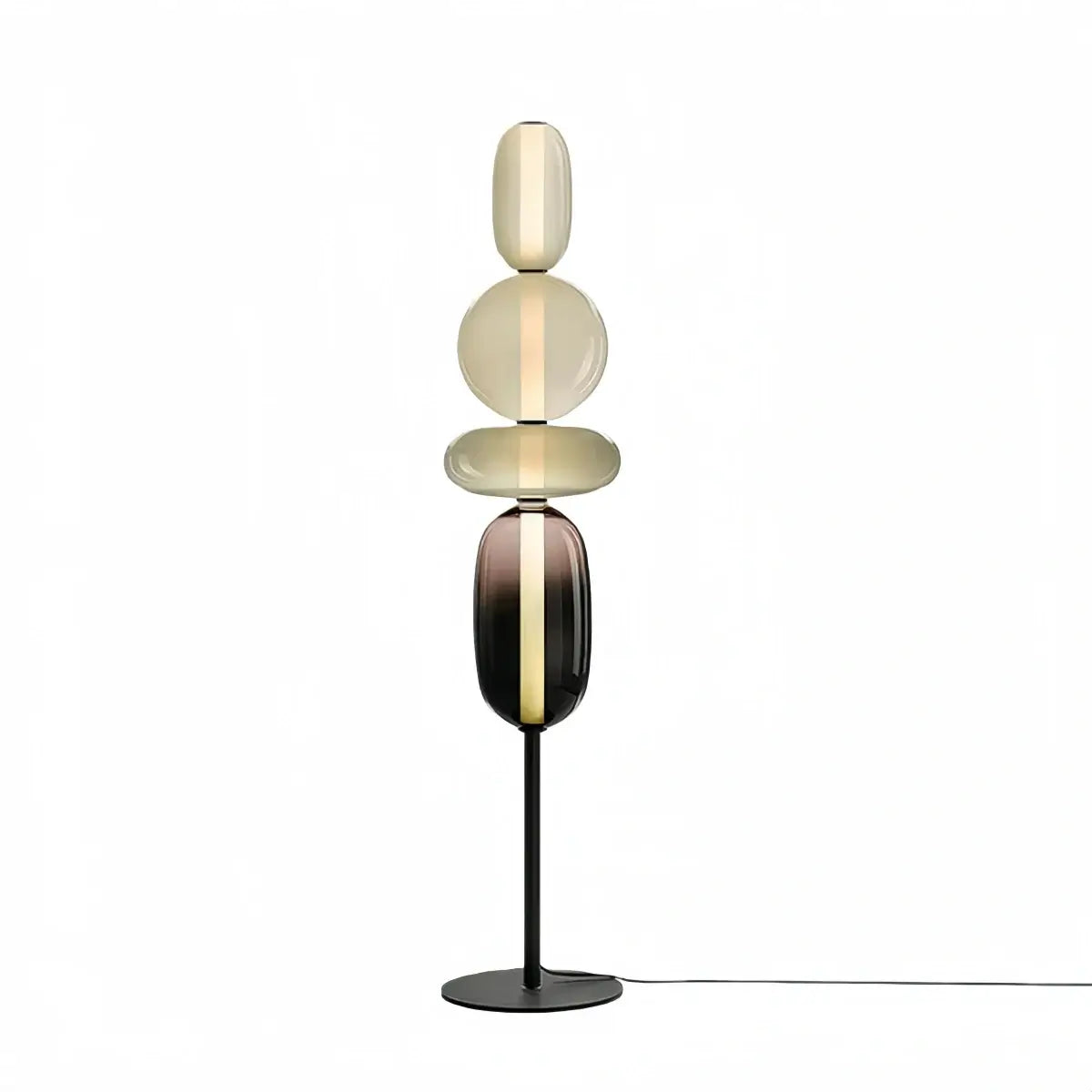
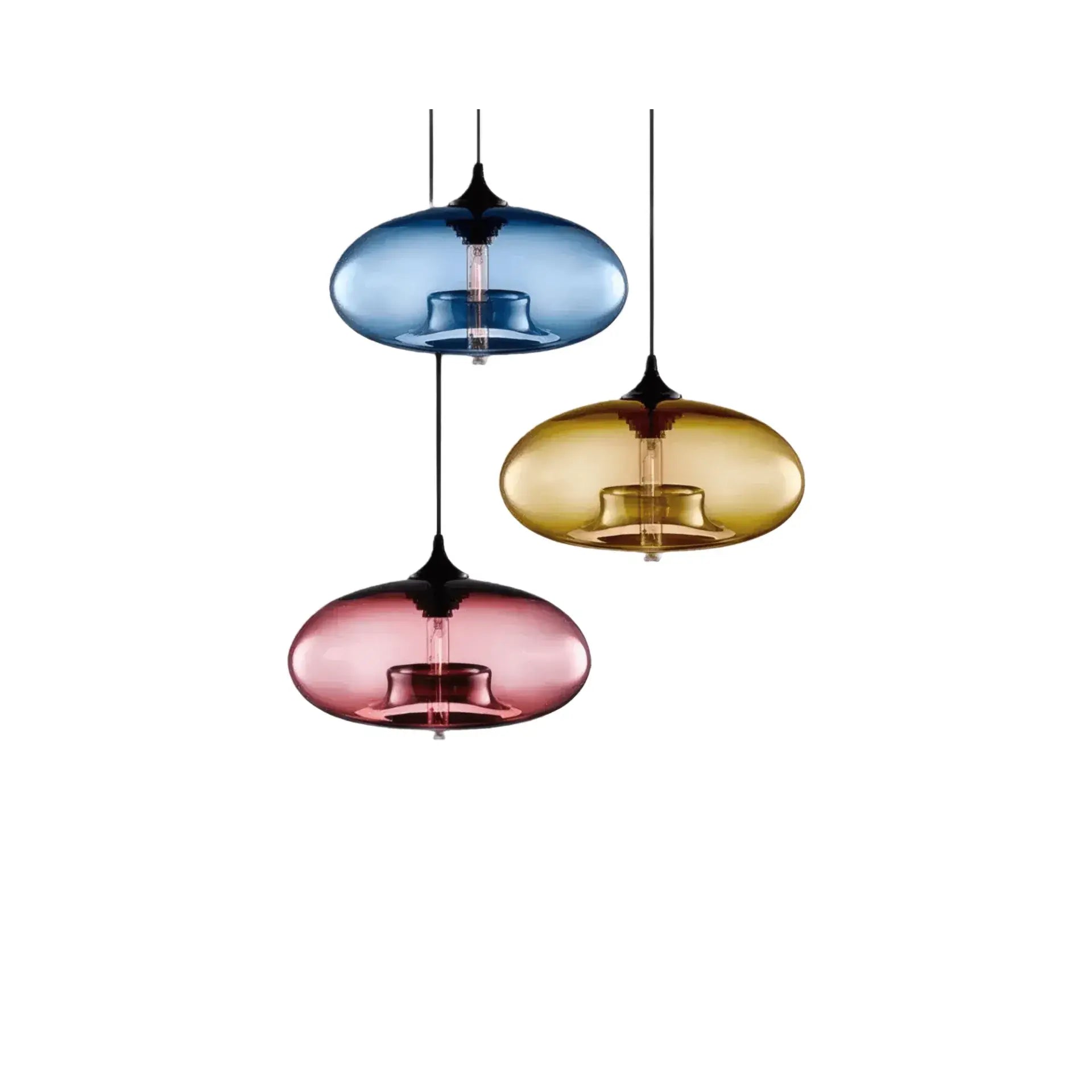
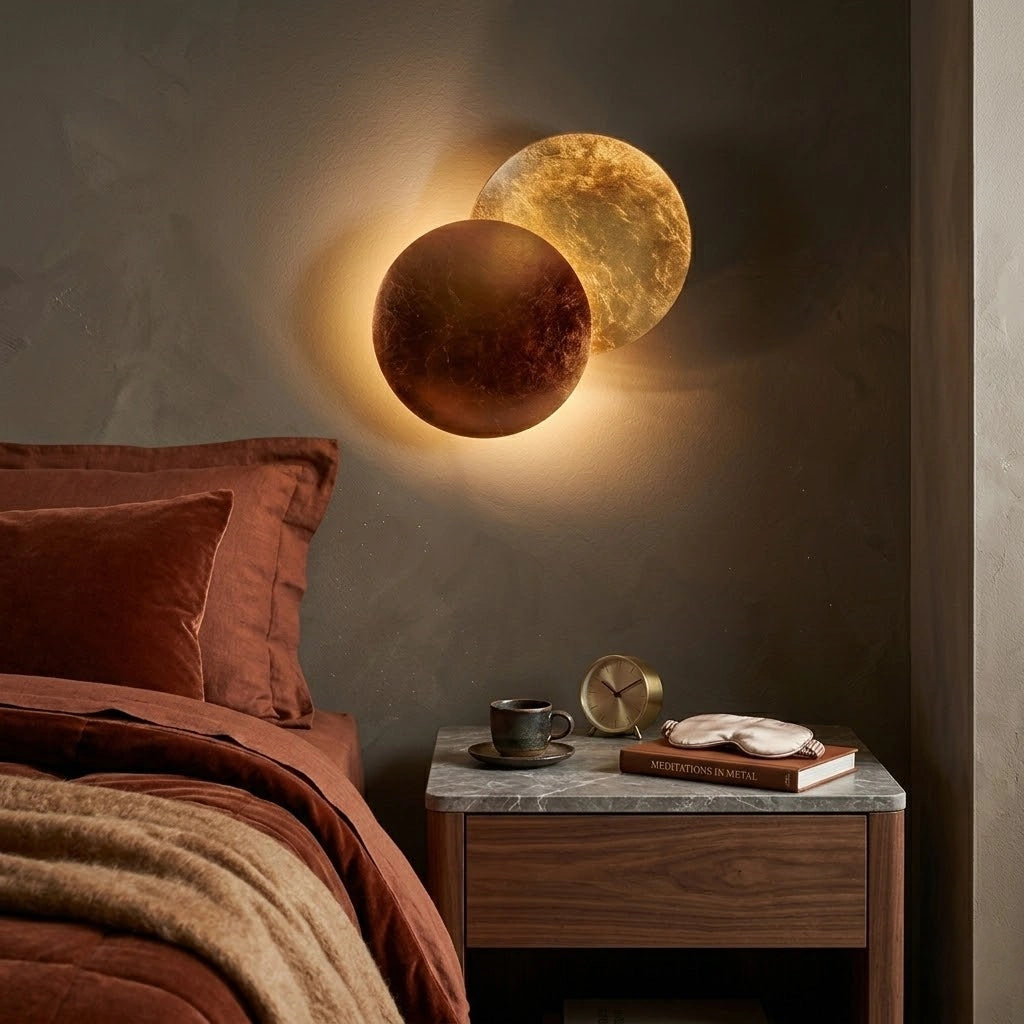
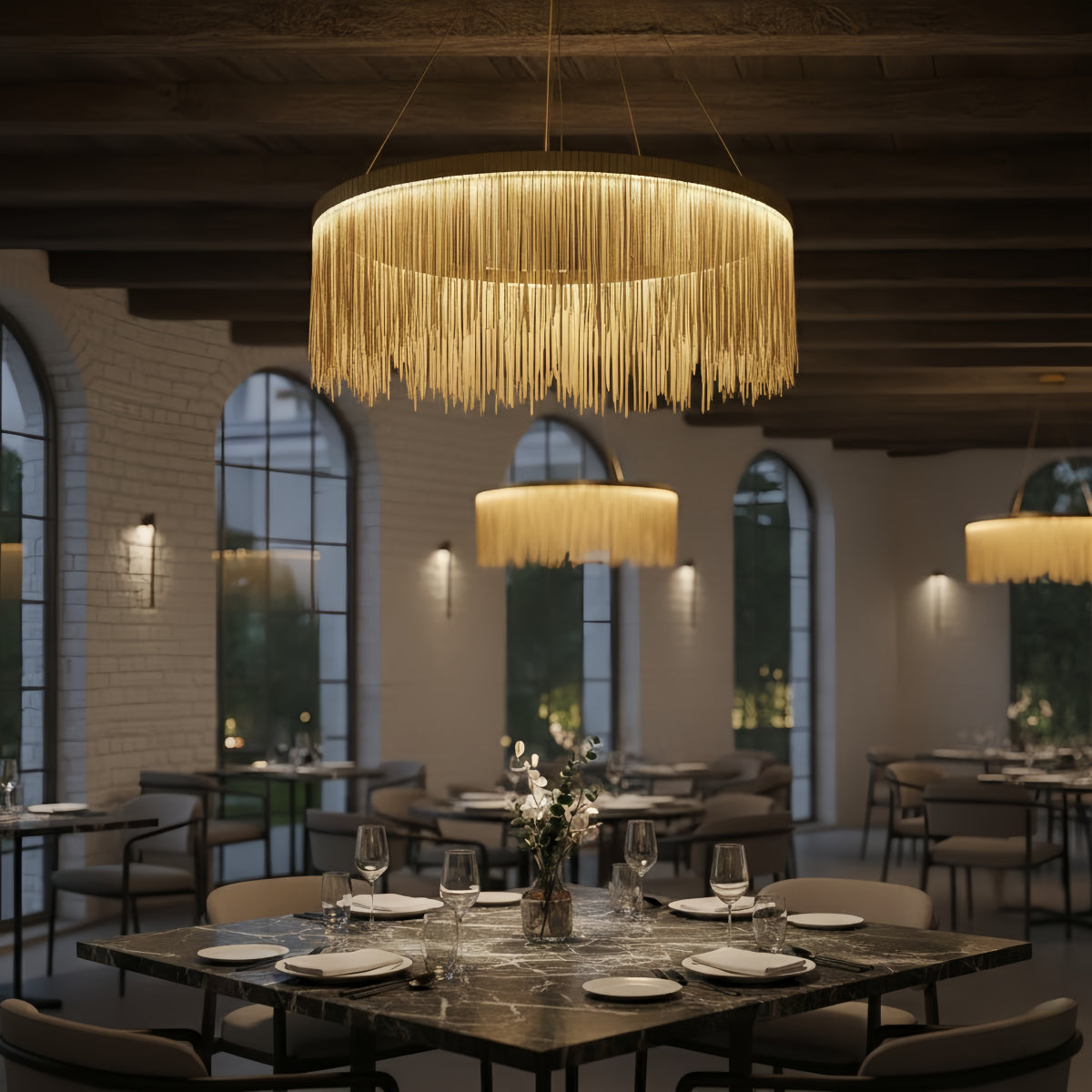
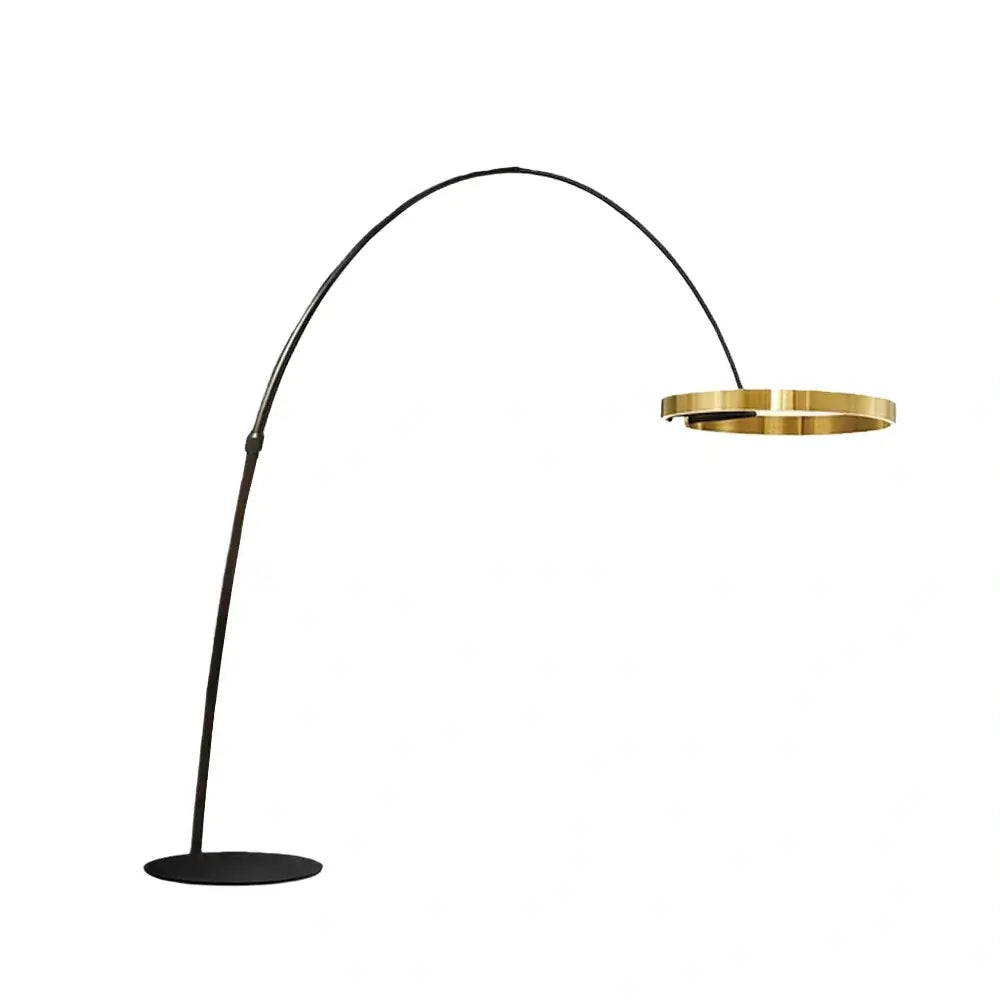
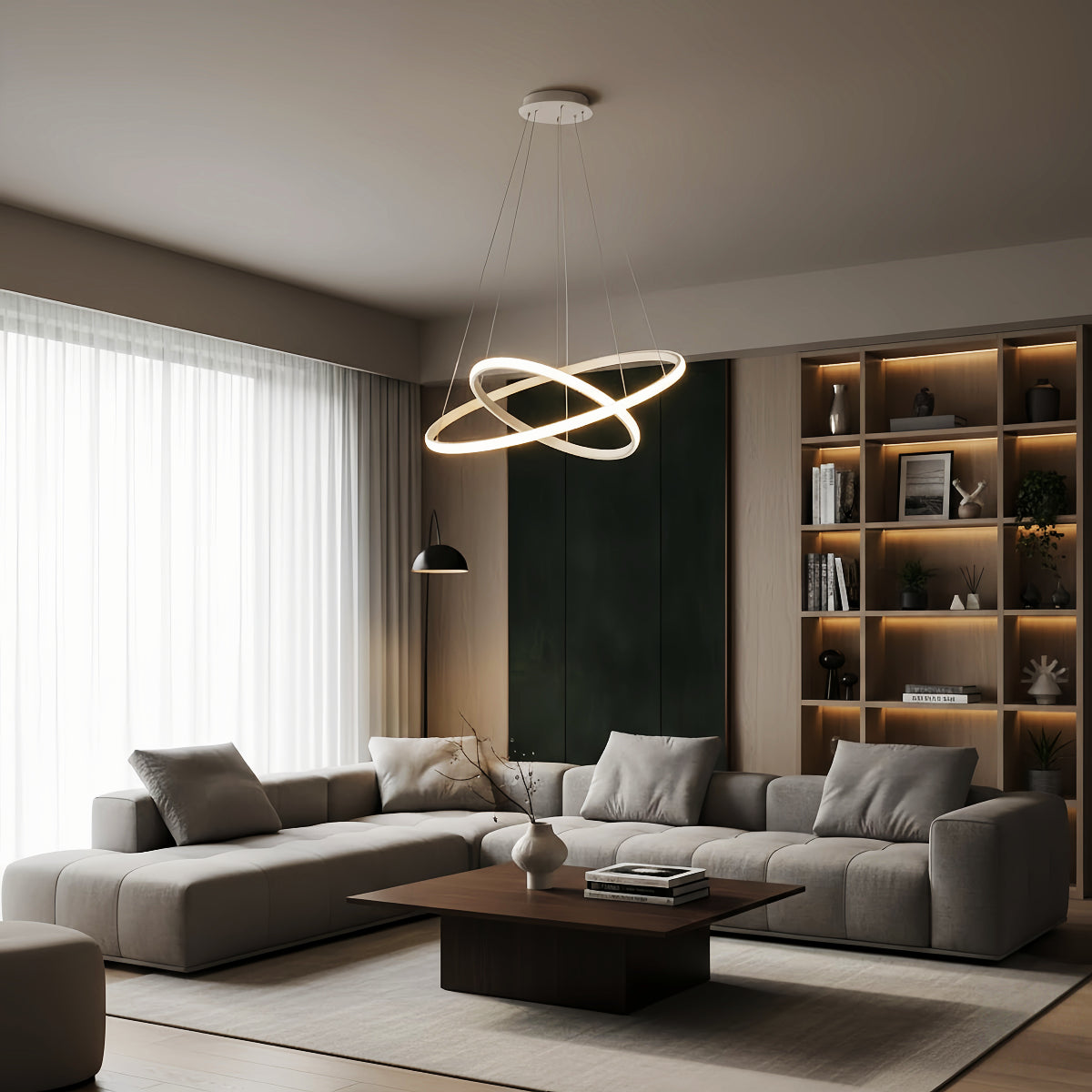
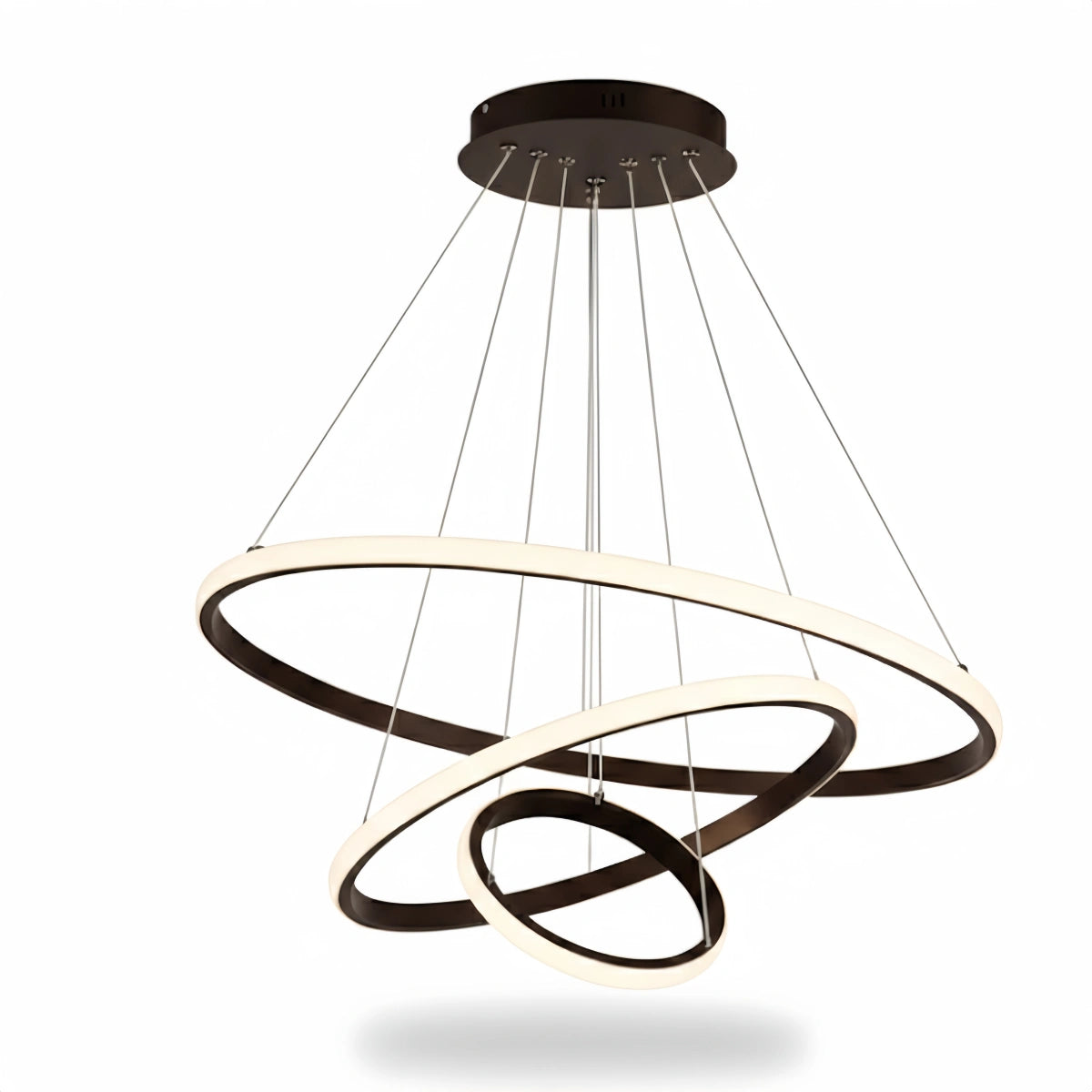
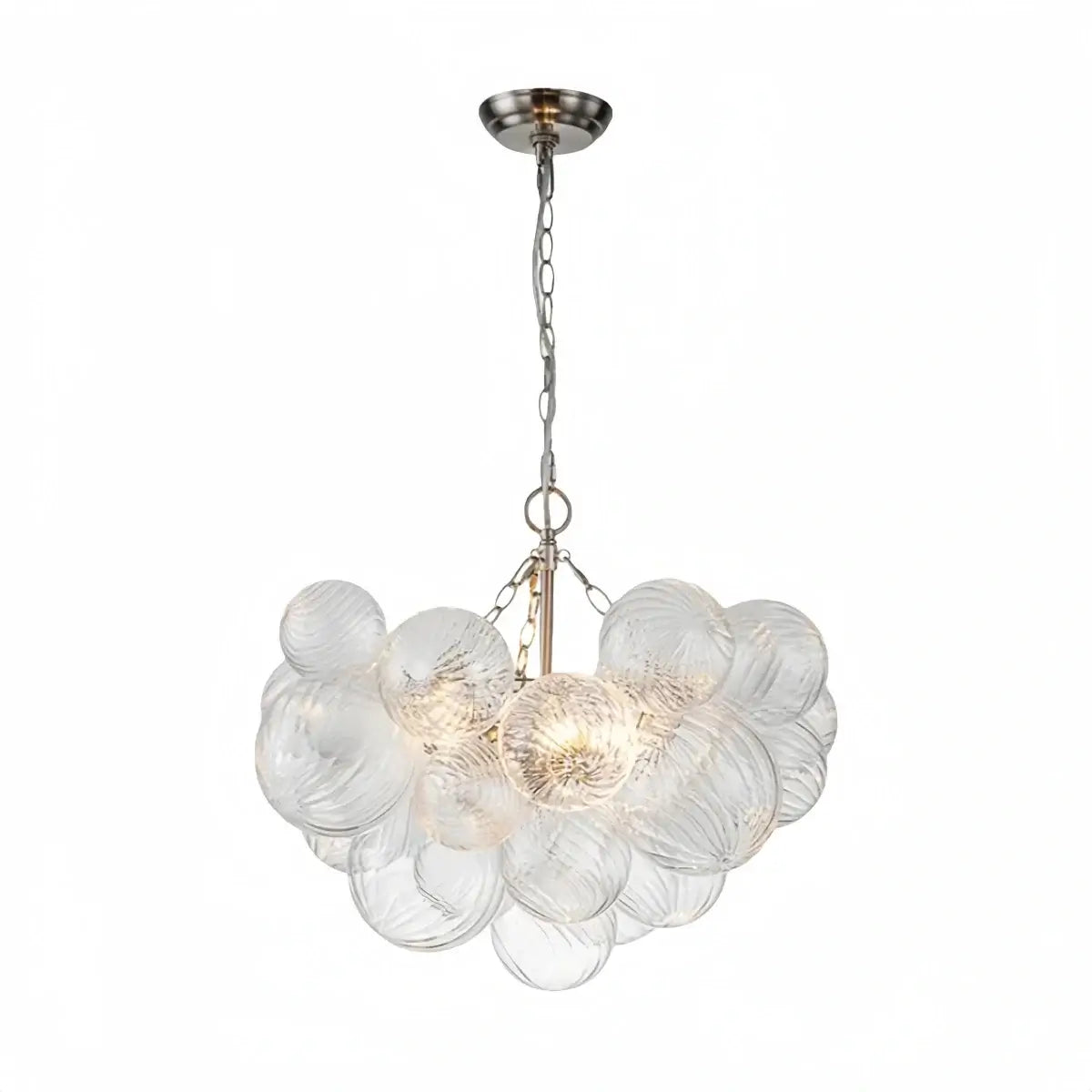
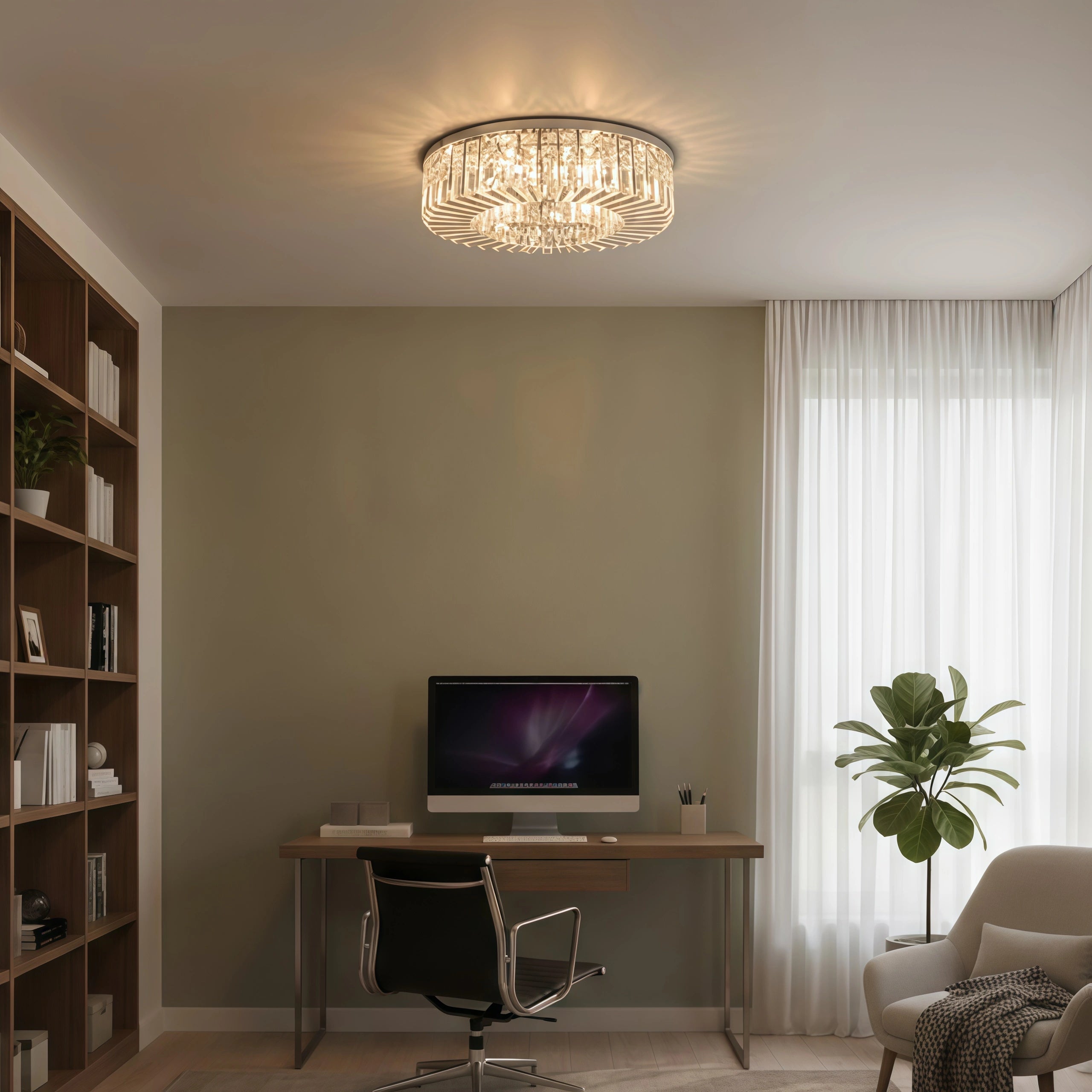
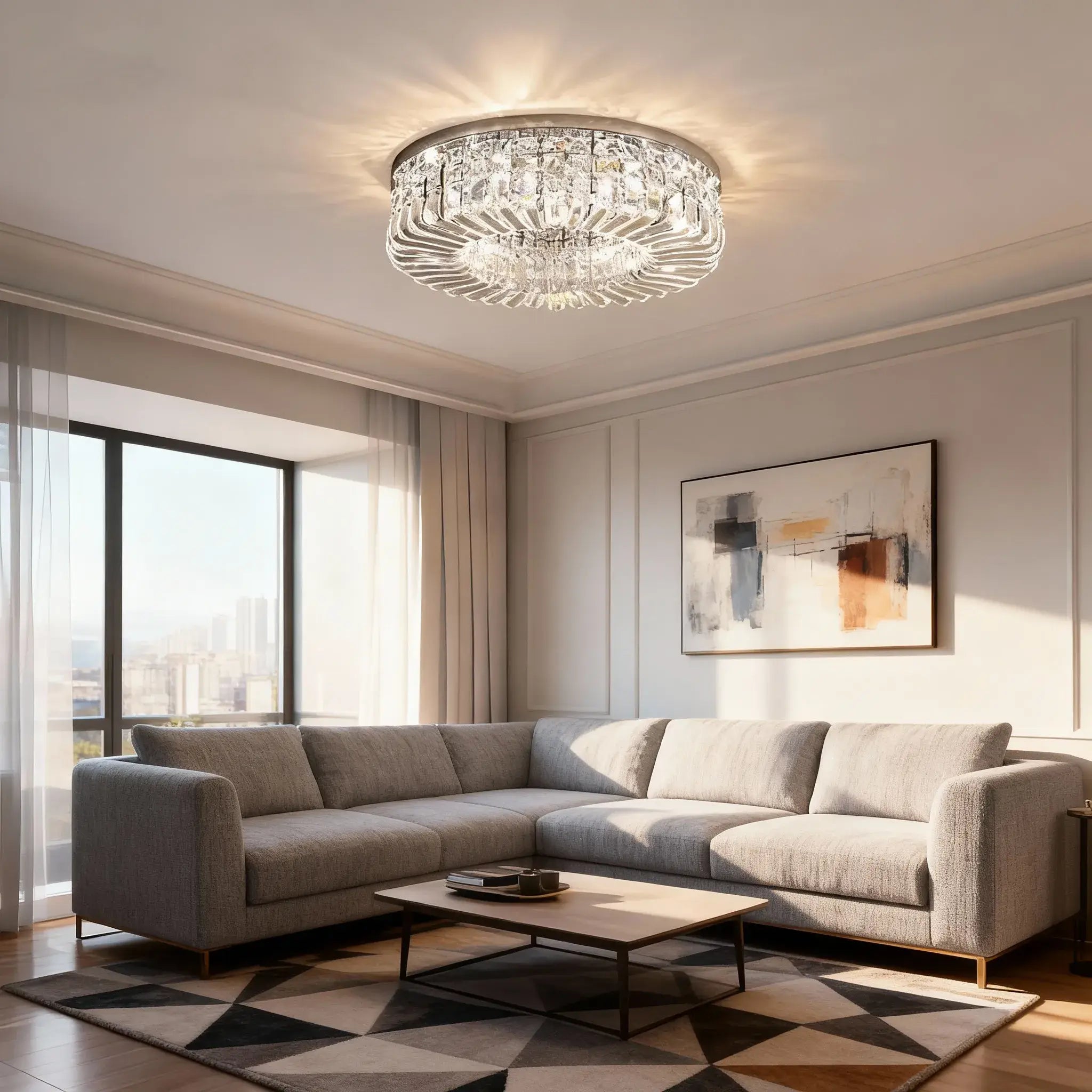
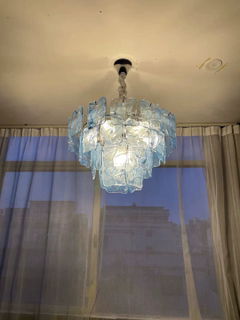
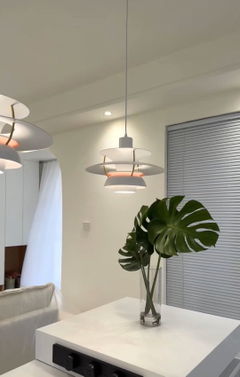
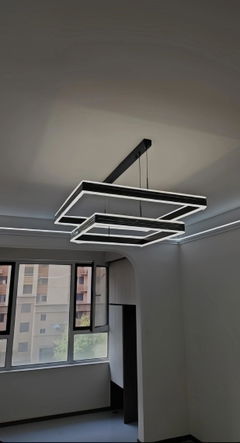
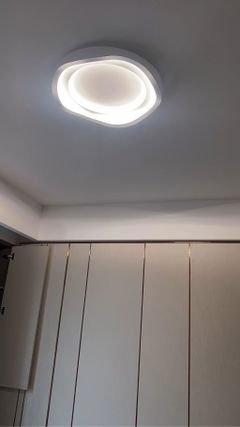
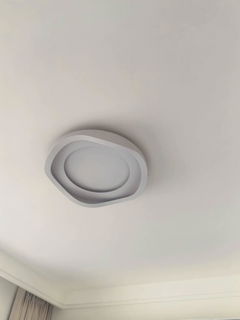
The right lighting fixture can help define the character of a living room while providing comfortable illumination for everyday activities. When choosing a statement light, homeowners should consider more than its appearance. Room size, ceiling height, furniture scale, material, finish, and light direction can all affect how naturally a fixture fits into the space. Different materials can also create very different visual effects, from the softness of frosted glass to the reflective quality of polished metal. The way light is distributed matters as well, since upward, downward, or diffused illumination can influence both comfort and atmosphere. For practical guidance on balancing fixture size, materials, placement, brightness, and interior style, explore Tips for Choosing the Best Chandelier for Your Living Room.
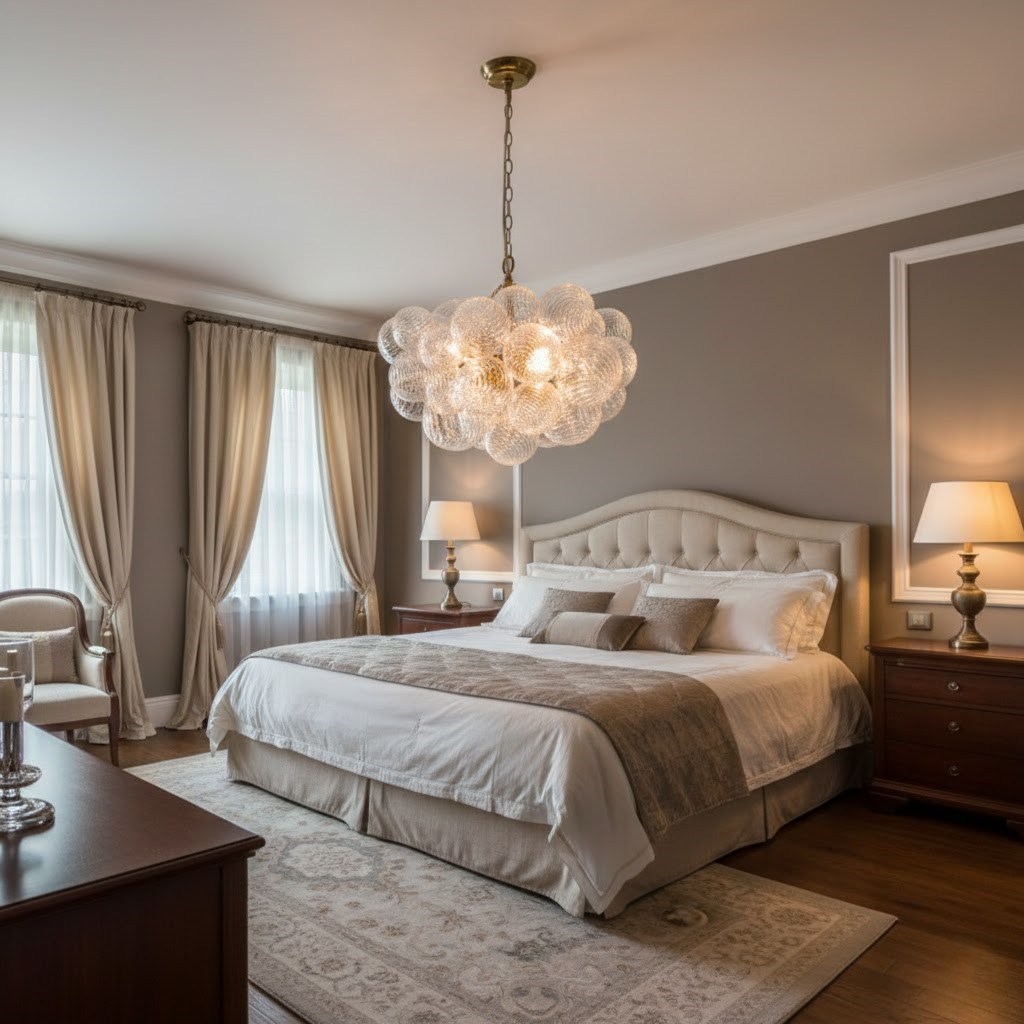
Lighting can play an important decorative role when you want a room to feel more refined and visually distinctive. A statement fixture can introduce a sense of luxury through its silhouette, materials, craftsmanship, and overall presence without requiring major changes to the surrounding interior. The most successful designs are usually those that complement the room instead of overwhelming it, with the fixture size carefully matched to the ceiling height and furniture arrangement. Soft warm lighting, elegant finishes, and carefully selected shapes can also help create a more sophisticated atmosphere in living rooms, dining areas, bedrooms, and entryways. For more inspiration on using decorative lighting to add elegance while maintaining proper proportion and functionality, explore Modern Luxury Chandeliers for Stylish Homes & Interiors.
Material and scale are two important factors that influence how a lighting fixture looks once it becomes part of a room. A fixture that is too large can overwhelm the surrounding furniture, while one that is too small may lose its visual impact. Measuring the room, considering ceiling height, and evaluating the scale of nearby furniture can help create a more balanced result. Material selection also affects how light interacts with the fixture, whether the goal is sparkle, softness, reflection, or a more understated appearance. These considerations are especially useful when comparing decorative lighting options for different interior styles and room sizes. For detailed guidance on measuring, sizing, placement, and choosing a fixture that works harmoniously with its surroundings, explore Crystal Chandeliers Guide: Sizes, Styles & Buying Tips.
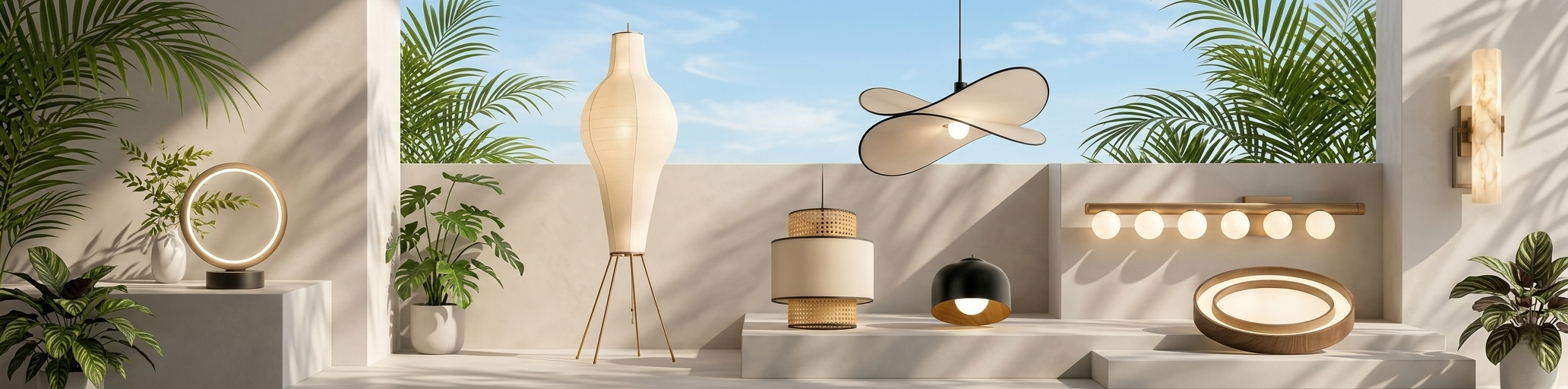
A well-designed home usually needs more than one type of lighting because each room serves a different purpose. Living rooms benefit from a combination of general illumination and softer accent lighting, while bedrooms often require a more relaxing atmosphere with additional bedside or task lighting. Dining areas can use a central decorative fixture to define the table as a focal point, while kitchens generally require brighter and more targeted illumination for practical tasks. Combining different fixture types allows homeowners to create layers of light that can adapt to different activities throughout the day. Rather than choosing each fixture independently, considering how the lighting works together across the home can create a more cohesive interior. For a complete room-by-room approach to selecting practical and stylish lighting, explore Lighting Recommendations by Room: Fixtures for Every Space.