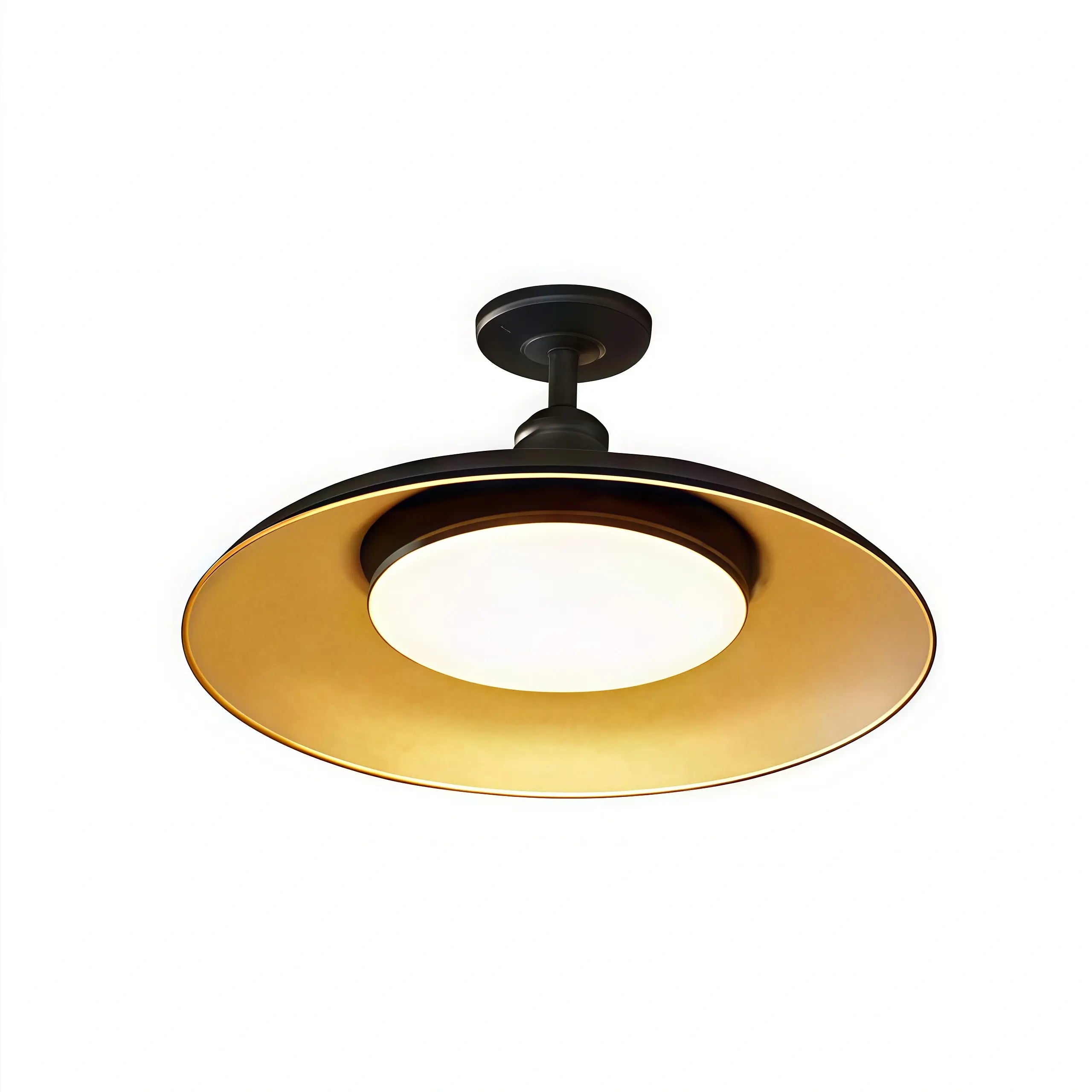
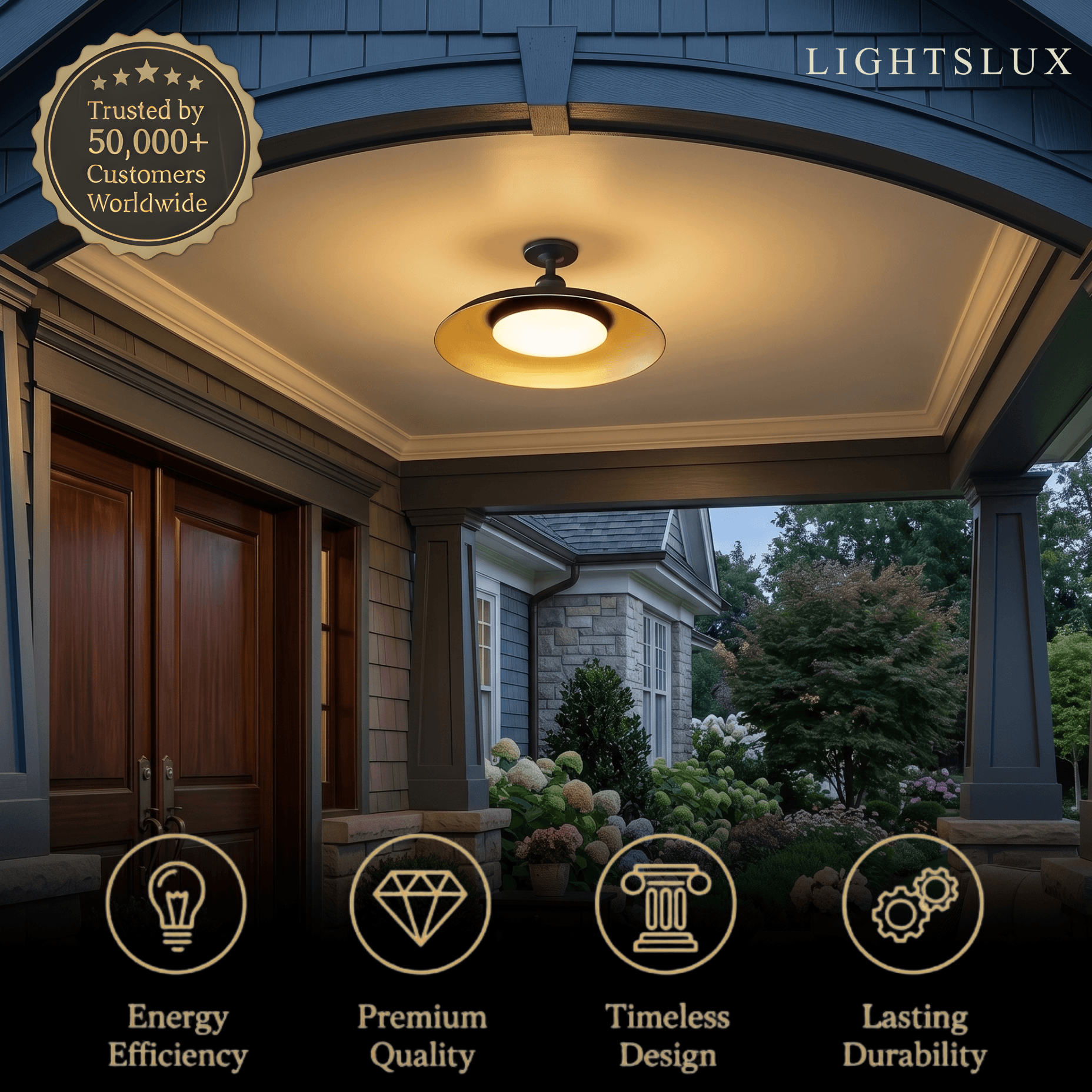
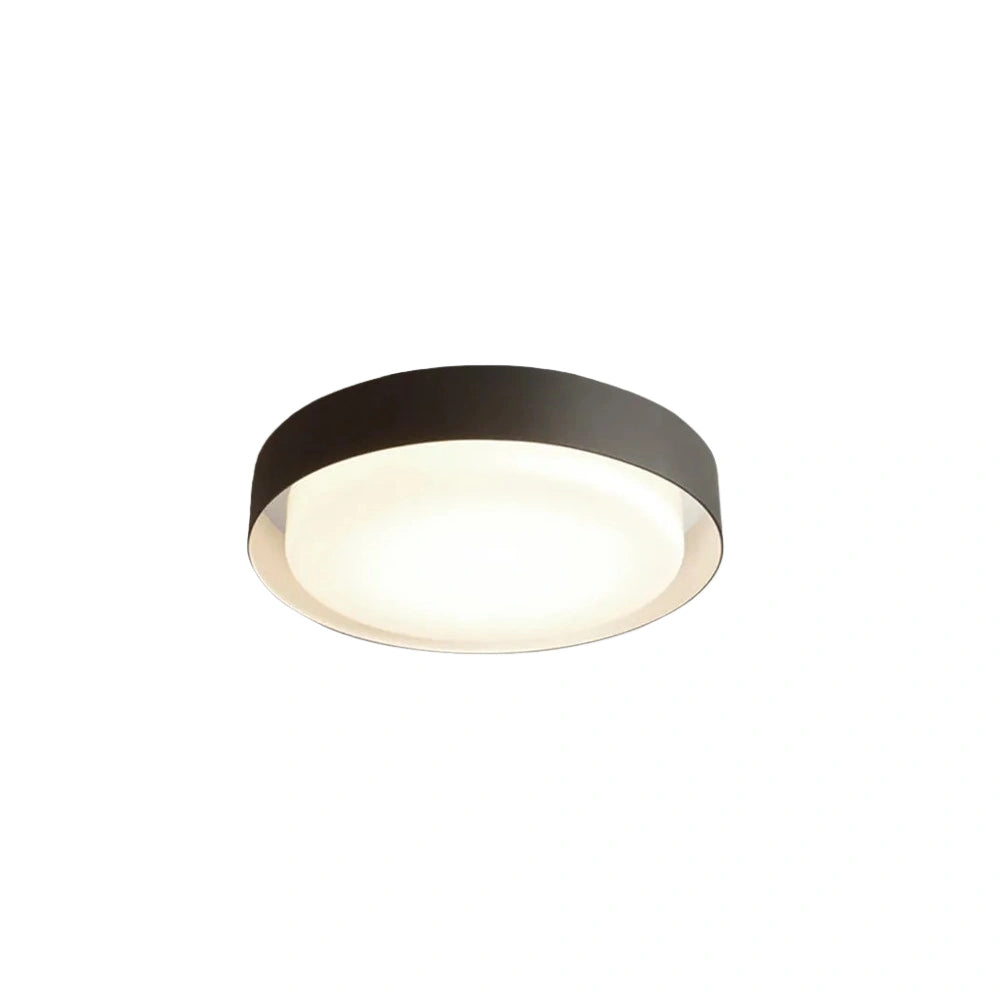
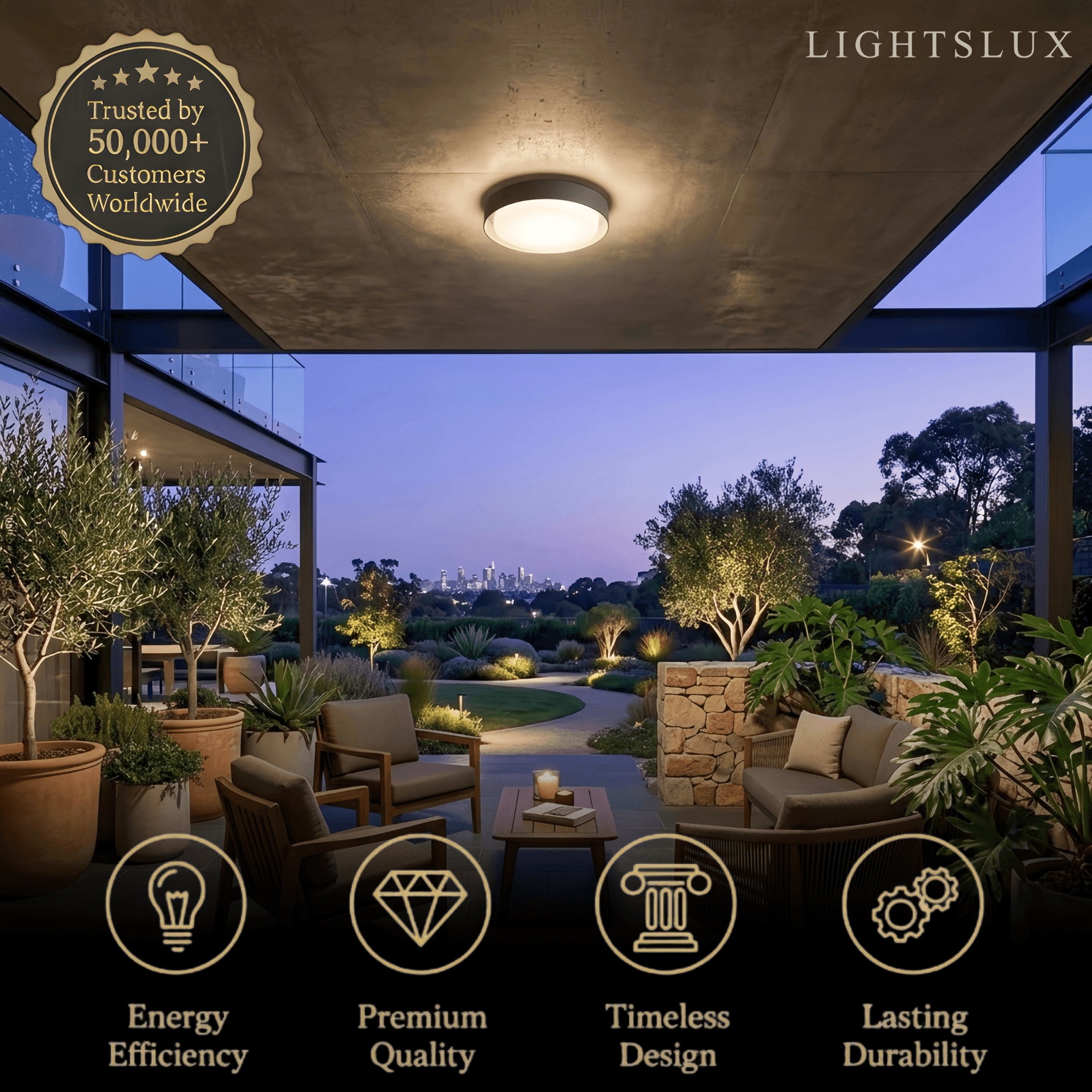
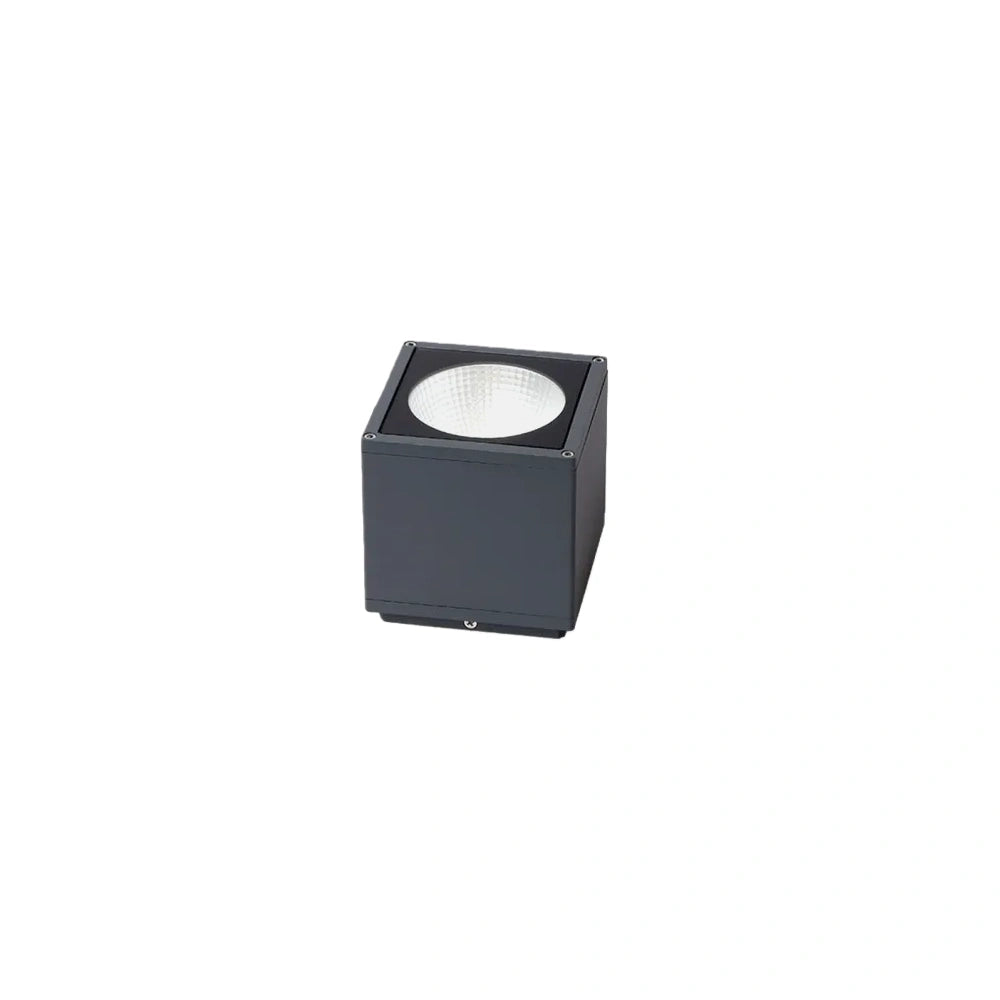
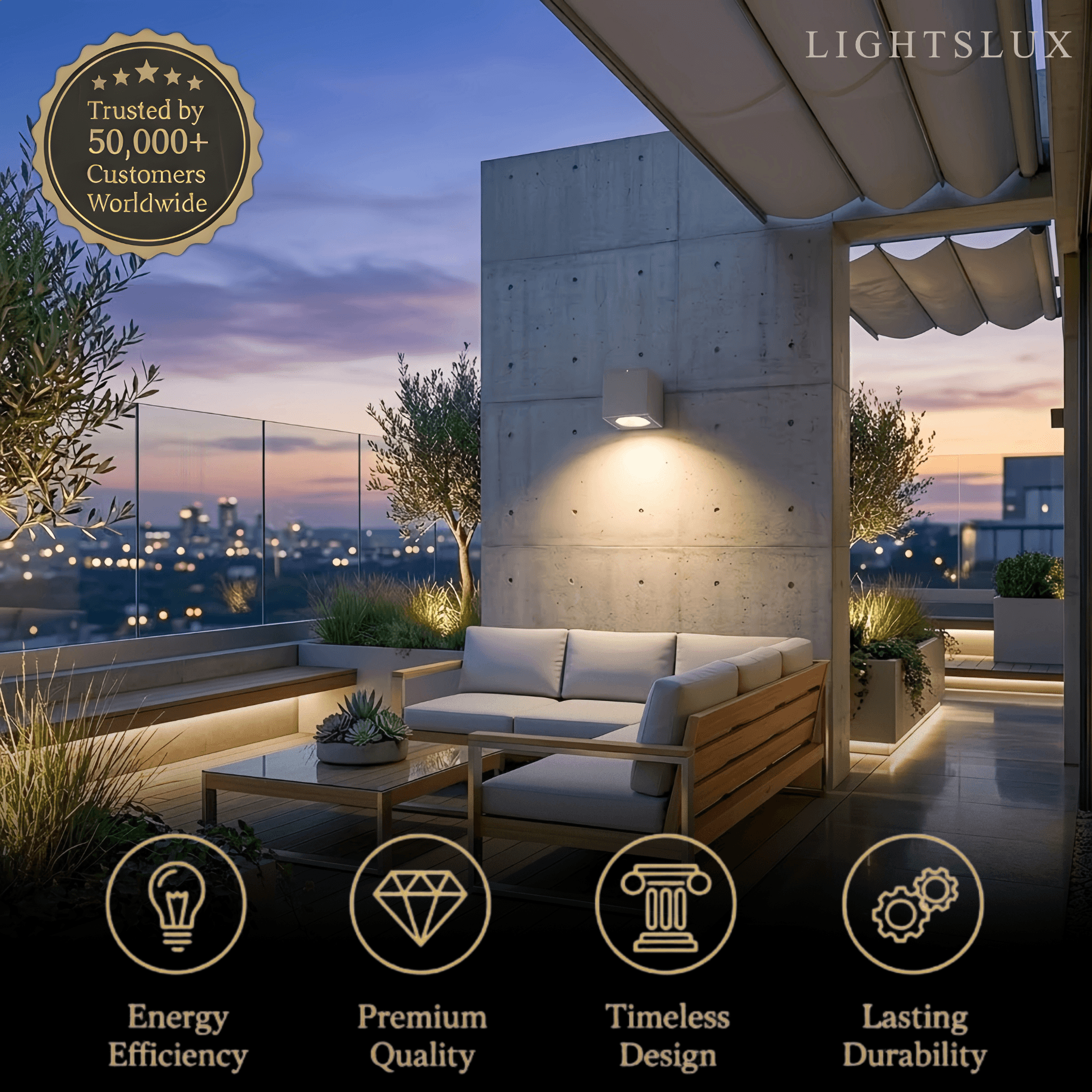
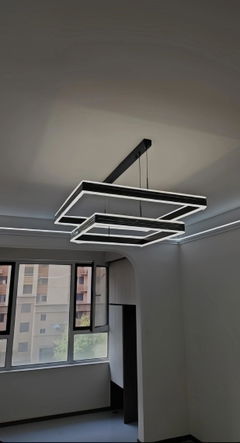
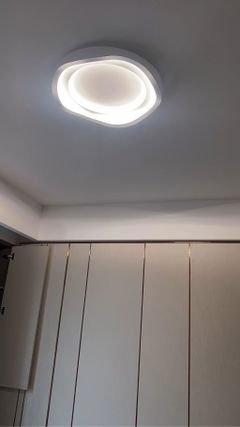
Outdoor ceiling lights can play an important supporting role when a pathway connects to a covered porch, patio, entrance, or garden structure. While pathway fixtures help guide movement at ground level, an overhead ceiling light can illuminate the surrounding area and make transitions between outdoor zones feel more natural. This layered approach is particularly useful around entrances, covered walkways, and patio areas where people may stop, gather, or move between indoor and outdoor spaces. Keeping the color temperature and overall visual style consistent also helps different fixtures feel like part of one cohesive lighting plan. For more ideas on combining overhead illumination with pathway and landscape lighting, explore Outdoor Pathway Lighting Guide: Illuminate Your Space.
Choosing an outdoor ceiling light requires more than matching its appearance to the exterior of a home. The size of the space, mounting position, desired brightness, color temperature, and exposure to weather all influence which fixture will work best. For example, a ceiling light above a covered porch may serve primarily as comfortable ambient lighting, while a fixture positioned near an exposed outdoor passage needs stronger protection against environmental conditions. Placement should also avoid excessive glare and maintain even illumination across the space. LED technology can further support outdoor applications by offering efficient, long-lasting lighting with relatively low maintenance. To explore how fixture type, placement, light color, and exterior architecture work together, see Step-by-Step Guide to Picking the Right Exterior Outdoor LED Lights.
The position of an outdoor ceiling light can dramatically influence how a porch, patio, or courtyard feels at night. Installing a fixture too close to eye level, choosing an oversized design for a compact ceiling, or relying on a single bright source can create glare and uneven illumination. A better approach is to consider the height and dimensions of the space first, then determine how much light is actually needed for the activities taking place there. Outdoor areas can also be divided into functional zones, with ceiling fixtures providing general illumination while wall, pathway, or accent lights handle specific areas. This creates a more comfortable balance between visibility and atmosphere. For practical ideas about avoiding poor placement and excessive lighting, explore 10 Mistakes to Avoid with Fixture Light Outdoor Placement.
For outdoor ceiling lights, installation quality is just as important as the fixture itself. Outdoor environments expose electrical components to moisture and temperature changes, so weatherproof connections, appropriate outdoor-rated components, and careful wiring are essential. Before mounting a ceiling fixture, it is also useful to evaluate the surrounding layout and identify areas that may remain too dark after installation. In larger patios or outdoor living spaces, combining an overhead fixture with additional lighting can provide better coverage without relying on excessive brightness from one source. Professional installation is recommended whenever hardwiring is involved, particularly when waterproofing and electrical connections need to meet local requirements. For more practical considerations surrounding outdoor LED installation and layout, explore Simple Process to Install LED Outdoor Lighting.