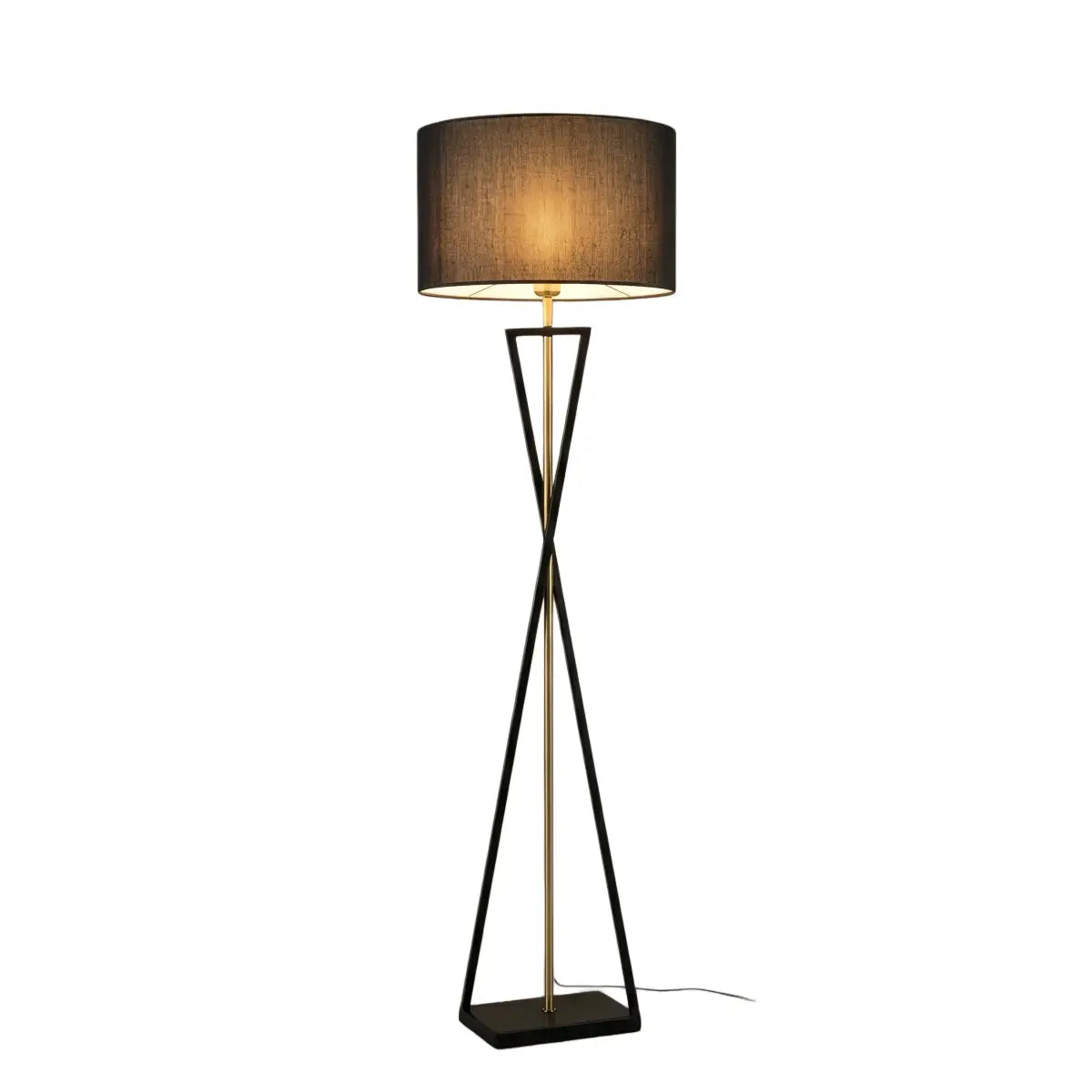
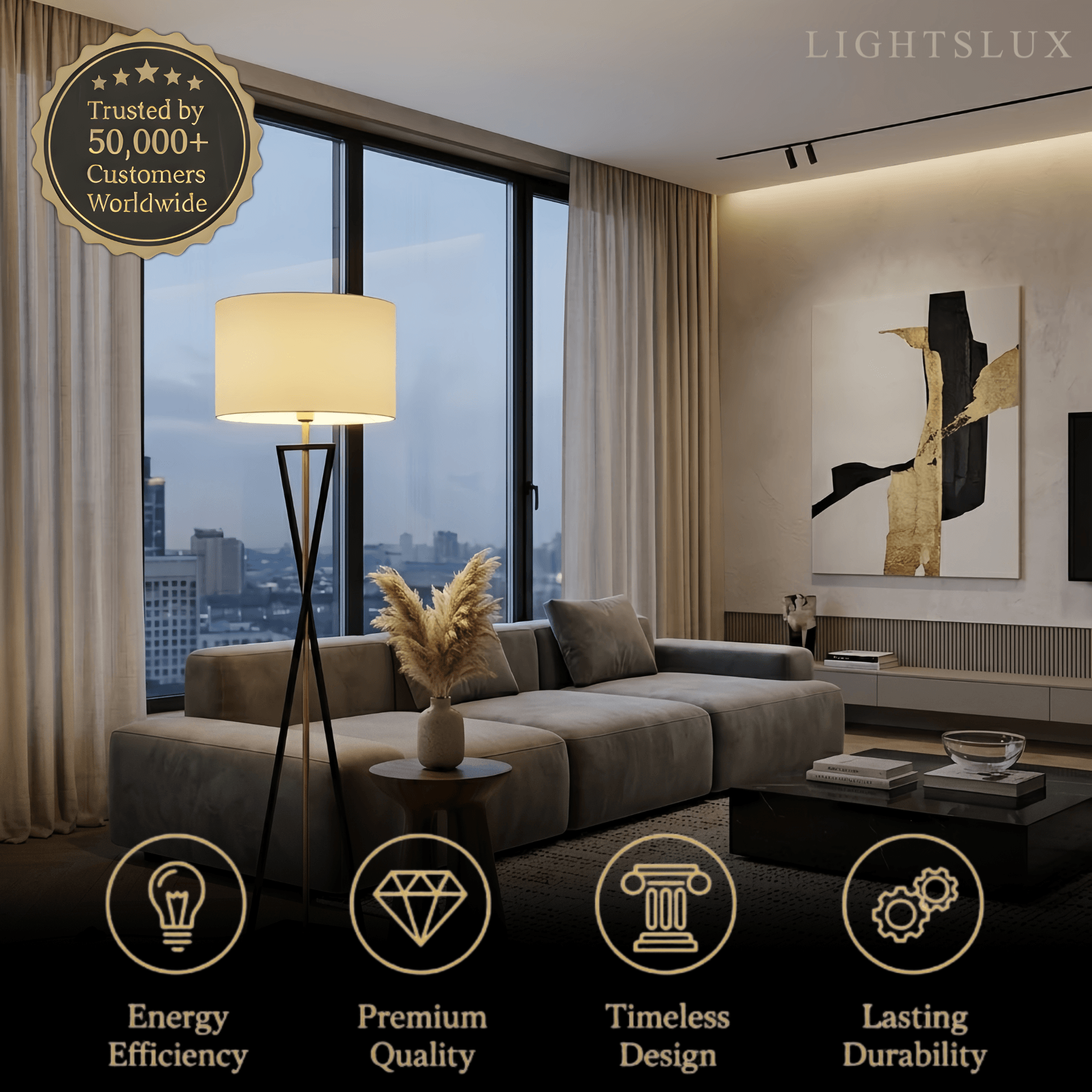
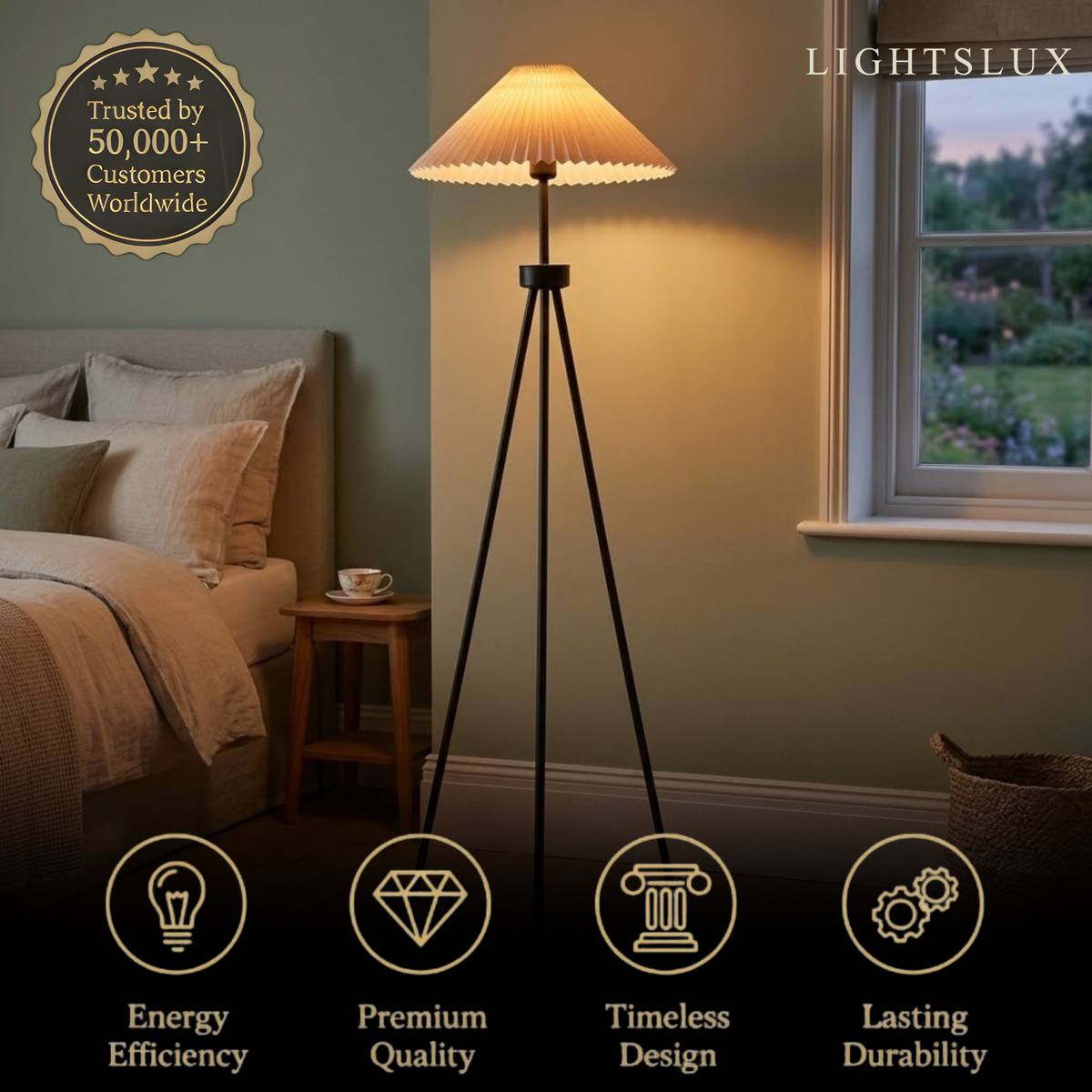
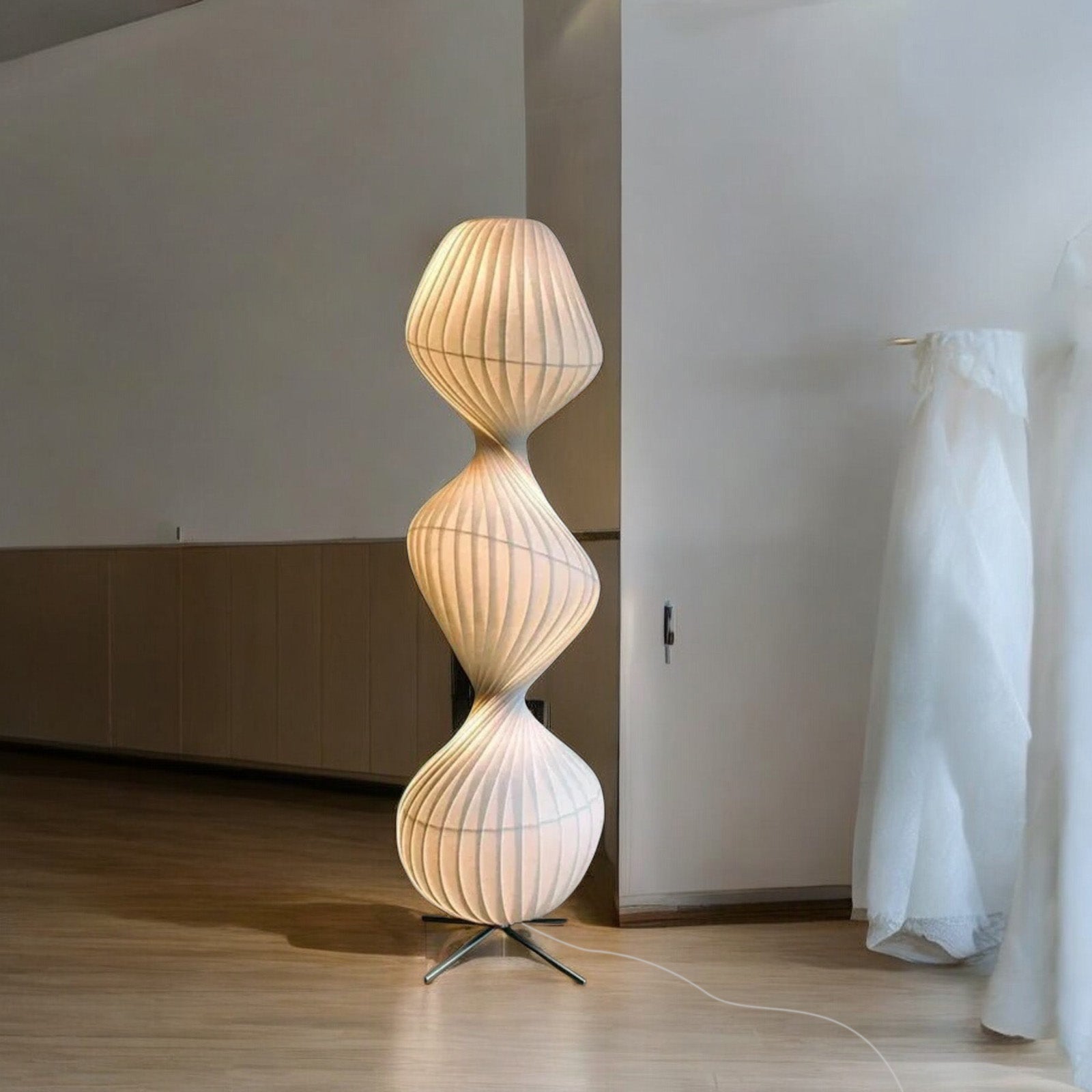
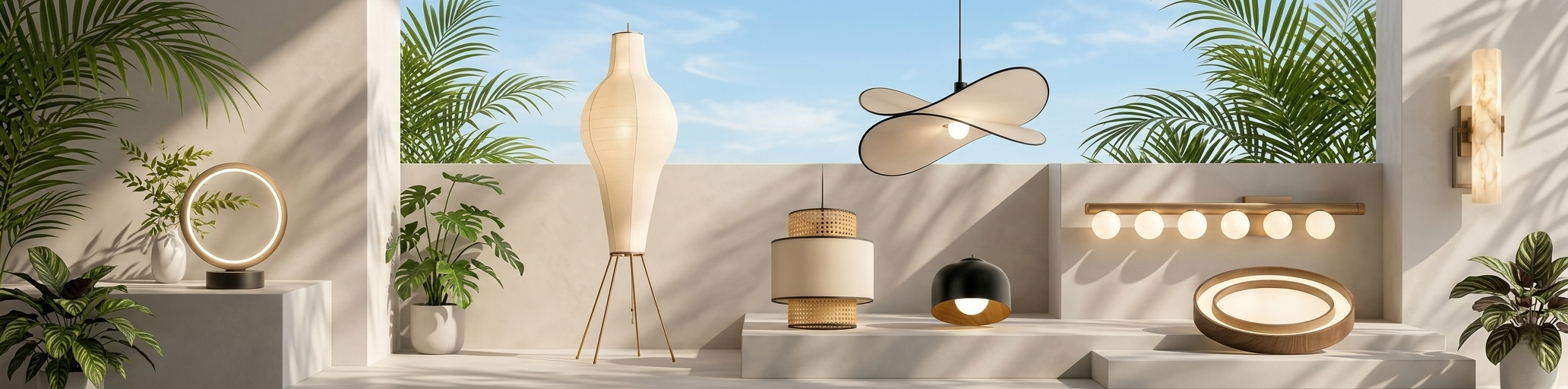
A tripod floor lamp can bring architectural character to a living room while maintaining a practical footprint. Its three-legged base provides visual stability, while the shade can soften the light and create a comfortable atmosphere. Positioned beside a sofa or lounge chair, a tripod design can also become a decorative focal point without taking over the room. Its clean structure works particularly well with modern and eclectic interiors.
If you’d like to learn more about tripod floor lamps, modern styles, and placement ideas, explore Modern Floor Lamps for Living Room | Stylish Lighting Ideas.
Tripod floor lamps can adapt to different interiors depending on their materials, shade shape, and finish. Natural wood, linen, metal, or darker finishes can shift the look from Scandinavian and relaxed to industrial and contemporary. Size also matters: a taller tripod lamp can emphasize vertical space, while a more compact design works well beside seating or in smaller rooms. Matching the lamp with the surrounding furniture helps create a cohesive look.
If you want to learn more about tripod styles, materials, sizing, and placement, read Best Modern Floor Lamps 2026 - Top 7 Picks for Your Home.
The three-leg structure of a tripod floor lamp makes it especially useful in a reading nook where stability and focused illumination are both important. A fabric shade can diffuse the light, while thoughtful placement beside or slightly behind a chair helps direct illumination toward the reading area without creating unnecessary glare. This combination turns an unused corner into a comfortable, functional space for reading or relaxing.
If you’d like to learn more about using tripod floor lamps for reading and comfortable room lighting, discover What Is Floor Lamp Benefits: Why It’s Better Than Table Lamps.
A tripod floor lamp can become an important part of a layered lighting plan rather than functioning as a standalone fixture. It can provide focused light near a chair while ceiling lights handle general illumination and wall lights add softer background brightness. Because the tripod form is visually distinctive, choosing complementary finishes and materials can help it connect naturally with the rest of the room without making the lighting arrangement feel overly matched.
If you want to learn more about combining floor lamps with ceiling lights, wall sconces, and other layers, read Lighting Layering 101: How to Combine Floor Lamps with Other Lights.