
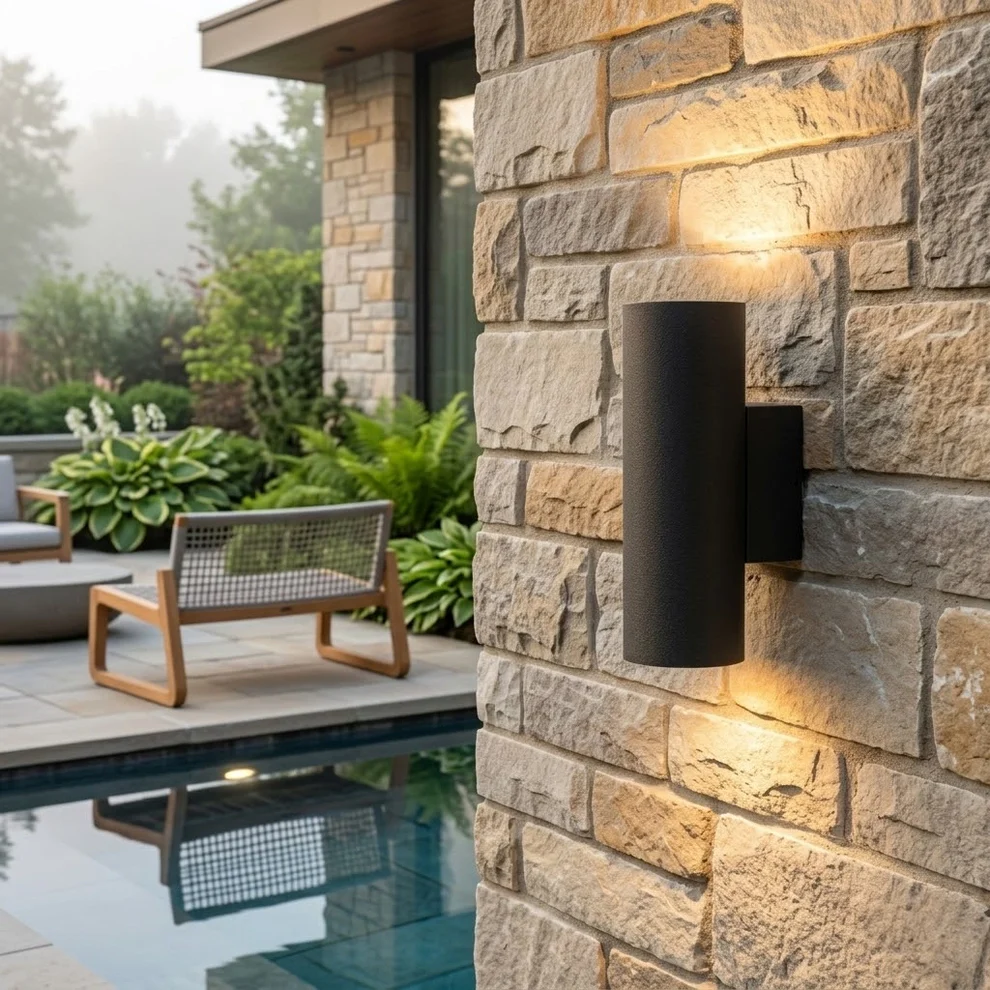
Um die besten LED-Außenleuchten für Ihr Zuhause auszuwählen, sollten Sie überlegen, wofür Sie die Leuchten benötigen, wie viel Energie sie verbrauchen, wie hell sie sind, wie lange sie halten, welche Funktionen sie haben und wie viel sie kosten. Energieeffiziente Außenbeleuchtung bietet Ihnen echte Vorteile. LEDs verbrauchen etwa 75 % weniger Energie als Halogenlampen. Sie halten auch viel länger. Sie können Ihre Stromrechnung in weniger als einem Jahr senken. Die Verwendung von LEDs hilft auch, Treibhausgasemissionen zu reduzieren. Dies unterstützt eine grünere Zukunft. Wenn Sie die richtigen Schritte befolgen, finden Sie die besten Leuchten für Ihre Bedürfnisse.
Wichtigste Erkenntnisse
Finden Sie heraus, warum Sie Außenbeleuchtung benötigen. Wählen Sie Leuchten für Sicherheit, Stimmung oder Nutzung, damit sie Ihren Bedürfnissen entsprechen.
Überprüfen Sie die Helligkeit der Leuchten, indem Sie die Lumenwerte betrachten. Verwenden Sie keine Watt. Verwenden Sie die richtigen Lumen für jeden Bereich, um die Sicherheit und gute Sicht zu gewährleisten.
Suchen Sie nach Energiespar-Etiketten wie ENERGY STAR. Diese Etiketten bedeuten, dass die Leuchten weniger Energie verbrauchen und von guter Qualität sind.
Denken Sie an intelligente Funktionen wie Sensoren und Timer. Diese helfen, Energie zu sparen, da die Lichter nur bei Bedarf eingeschaltet werden.
Wählen Sie Leuchten mit der richtigen IP-Schutzart. Wählen Sie mindestens IP65, um Staub und Wasser für den Außenbereich fernzuhalten.
Definieren Sie den Zweck Ihrer Außenbeleuchtung
Sicherheit, Ambiente und Funktionalität
Denken Sie zunächst darüber nach, warum Sie Außenbeleuchtung wünschen. Der Grund, warum Sie Leuchten wählen, beeinflusst Ihren Kauf. Sicherheitsbeleuchtung hilft, Ihr Zuhause sicher zu halten. Flutlichter leuchten hell und decken große Bereiche ab. Für die Sicherheit wählen Sie Leuchten mit mindestens 700 Lumen. Eingänge und Wege benötigen starke Lichter für die Sicherheit. Ambientebeleuchtung macht Ihren Garten gemütlich. Weiche, warme Lichter eignen sich gut zum Entspannen oder für Partys. Bäume von unten beleuchten erzeugt kühle Schatten und verleiht Tiefe. Sie können viele Leuchten verwenden, um Ihren Garten gleichmäßig zu beleuchten. Intelligente Beleuchtung ermöglicht es Ihnen, Helligkeit und Farbe zu ändern. Dies macht Ihren Raum komfortabler und schöner anzusehen.
Tipp: Niedervoltbeleuchtung reduziert das Risiko eines Stromschlags. Sie schützt Ihre Familie und Haustiere.
Sicherheit: Wählen Sie Leuchten, die Ihr Zuhause schützen und Unfälle verhindern.
Energieeffizienz: Wählen Sie Systeme, die LEDs gut funktionieren lassen und weniger Energie verbrauchen.
Designflexibilität: Verwenden Sie Leuchten, die zu Ihrem Stil passen und große Bereiche beleuchten.
Identifizieren Sie die Abdeckungsbereiche
Betrachten Sie Ihren Garten und sehen Sie, wo Sie Licht benötigen. Beginnen Sie mit Wegen, Gärten und besonderen Merkmalen. Eingänge und Wege benötigen helle Lichter für die Sicherheit. Gärten und Pflanzen sehen mit weicheren Lichtern besser aus. Die Verwendung von Lichtschichten lässt Ihren Garten tiefer und interessanter wirken. Dies lässt Ihren Außenbereich einladend wirken.
Überprüfen Sie Ihren Garten, um Stellen zu finden, die Licht benötigen.
Wählen Sie Leuchten, die zu Ihrem Stil passen, für ein schönes Aussehen.
Finden Sie Beleuchtungszonen, um jede Leuchte am besten zu platzieren.
Gute Platzierung sorgt für ausreichend Licht und spart Energie.
Verwenden Sie hellere Lichter in der Nähe von Türen für bessere Sicht.
LED-Außenleuchten können verschiedene Teile Ihres Gartens beleuchten. Dies hilft Ihnen, die richtige Mischung aus Sicherheit und Stimmung zu erhalten. Eine gute Planung reduziert Lichtverschwendung und spart Energie.
Überprüfen Sie die Helligkeit und Farbe der LED-Außenleuchten
Lumen und Lichtleistung
Sie sollten herausfinden, wie viel Licht Sie draußen benötigen. Die Helligkeit wird in Lumen gemessen. Verwenden Sie keine Watt, um die Helligkeit zu überprüfen. Lumen zeigen an, wie viel Licht eine Lampe abgibt. Verschiedene Stellen benötigen unterschiedliche Helligkeitsstufen. Sicherheitsleuchten benötigen mehr Lumen als Gartenleuchten.
Hier ist eine Tabelle, die Ihnen hilft, die richtige Helligkeit für jede Stelle auszuwählen:
Außenbereich |
Empfohlene Lumen |
Zweck oder zusätzliche Hinweise |
|---|---|---|
Sicherheitsbeleuchtung |
700 - 1000 |
Unerwünschte Aktivitäten stoppen; bewegungsaktiviert |
Gartenbeleuchtung |
50 - 300 |
Gartenmerkmale hervorheben |
Auffahrtbeleuchtung |
400 - 600 |
Sichere Führung; Blendung vermeiden |
Eingangsbeleuchtung |
600 - 800 |
Eingangspunkt zeigen; Menschen schützen |
Terrasse und Patio |
200 - 400 |
Eine gemütliche Atmosphäre schaffen |
Poolbeleuchtung |
500 - 800 |
Ausreichend für die Sicherheit; nicht zu hell |
Gehweg- und Wegeleuchten |
100 - 200 |
Sichere Führung, ohne es zu hell zu machen |
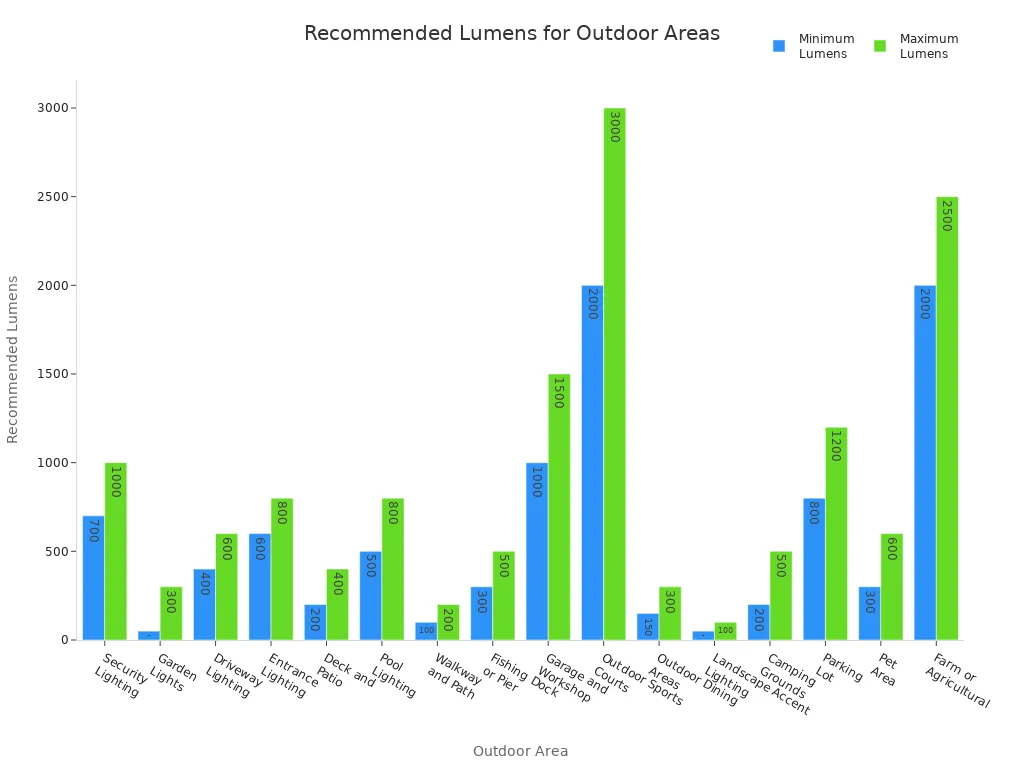
Tipp: Verwenden Sie weniger Lumen für Wege und Gärten. Verwenden Sie mehr Lumen für Sicherheit und Arbeitsbereiche.
Wahl der Farbtemperatur
Die Farbtemperatur verändert, wie Ihr Garten aussieht und sich anfühlt. Sie wird in Kelvin (K) gemessen und bestimmt vollständig die Stimmung und Ästhetik des Äußeren Ihres Hauses. Sie ist der Unterschied zwischen einem einladenden, hochwertigen architektonischen Glanz und einem harten, klinischen Schein. Für hochwertige Wohnbeleuchtung ist die Wahl der genau richtigen Farbtemperatur genauso wichtig wie das Design der Leuchte.
Hier ist eine Tabelle, die Ihnen hilft, die richtige Farbtemperatur zu wählen:
Farbtemperatur (K) |
Beschreibung |
Beste Einsatzorte |
|---|---|---|
2700K |
Weiches, warmes Licht |
Vintage-inspirierte Verandaleuchten oder intime, romantische Gartensitzbereiche. |
3000K |
Klares, warmweißes Licht |
Der Goldstandard für Wohngebäude. Perfekt für Terrassen, Decks und Eingangsbereiche. Es hebt die authentischen Texturen von robusten Metallarmaturen, natürlichen Holzakzenten und Steinarchitektur wunderschön hervor, ohne die Farben zu verblassen. |
4000K |
Neutrales, kühles Weiß |
Am besten für Bereiche mit hoher Sichtbarkeit, wie die Beleuchtung moderner minimalistischer Einfahrten, Garagenaußenbereiche oder spezielle Sicherheitszonen. |
5000K+ |
Tageslicht / Blaustichiges Weiß |
Ausschließlich für ultrahelle Sicherheitsstrahler, die von Wohnbereichen weggerichtet sind. (Vermeiden Sie die Verwendung in der Nähe von Terrassen, da dies eine unangenehme, grelle Umgebung schafft). |
Bei der Gestaltung Ihrer Außenbeleuchtung ist ein schichtweiser Ansatz am besten. Verwenden Sie 4000K-Leuchten für die funktionale Sicherheit in der Nähe der Garage, während Sie ausschließlich 3000K-Warmweiß-Leuchten für Ihre Haupteingänge, Wohnbereiche und dekorativen Wandleuchten verwenden. Dieses strategische Gleichgewicht stellt sicher, dass Ihr Eigentum sicher bleibt und gleichzeitig eine einladende, wunderschön gestaltete Atmosphäre erhalten bleibt.
Energieeffiziente LED-Außenleuchten
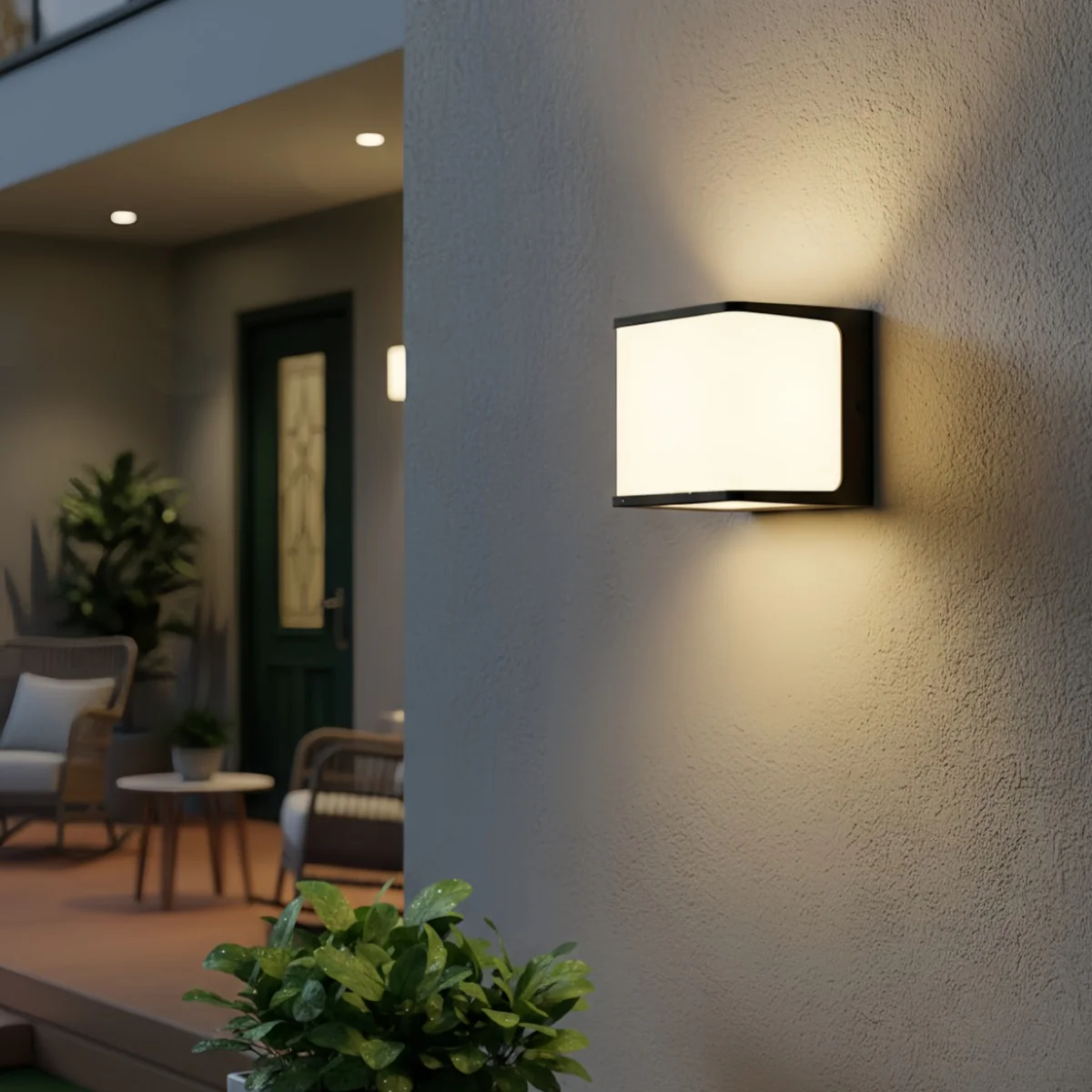
Effizienzbewertungen und Zertifizierungen
Achten Sie beim Kauf von LED-Außenleuchten immer auf Zertifizierungen. Diese zeigen an, dass das Produkt sicher ist und Energie spart. Zertifizierungen helfen Ihnen, Leuchten auszuwählen, die Geld sparen und der Umwelt helfen.
Hier ist eine Tabelle mit häufigen Zertifizierungen für Außenleuchten:
Zertifizierung |
Beschreibung |
Bedeutung |
|---|---|---|
UL (Underwriters Laboratories) |
Anerkannte Sicherheitszertifizierung für Beleuchtungsprodukte in den USA und Kanada. |
Gewährleistet Sicherheit und reduziert elektrische Gefahren. |
Energy Star |
Von der US-Regierung unterstützte Zertifizierung für Energieeffizienz. |
Zeigt geringeren Energieverbrauch und höhere Qualität an. |
CE (European Conformity) Kennzeichnung |
Vorgeschrieben für Produkte, die im EWR verkauft werden, und weist auf die Einhaltung der EU-Standards hin. |
Gewährleistet Sicherheit und Umweltschutz. |
RoHS (Restriction of Hazardous Substances) |
Begrenzt gefährliche Materialien in elektrischen Produkten. |
Gewährleistet Sicherheit für Benutzer und Umwelt. |
FCC (Federal Communications Commission) Zertifizierung |
Gewährleistet die Einhaltung von Grenzwerten für elektromagnetische Störungen. |
Verhindert Störungen mit anderen elektronischen Geräten. |
DLC (DesignLights Consortium) |
Konzentriert sich auf hocheffiziente kommerzielle Beleuchtungsprodukte. |
Zeigt Energieeffizienz und Berechtigung für Rabatte an. |
Produkte mit ENERGY STAR oder DLC verbrauchen weniger Strom und halten länger. ENERGY STAR ist für Haushaltsleuchten. DLC ist für Geschäftsräume. Beide helfen Ihnen, Geld zu sparen und können Ihnen Rabatte einbringen. Sie können diesen Labels vertrauen, um gute, energiesparende Außenleuchten zu finden.
Tipp: Prüfen Sie vor dem Kauf diese Zertifizierungen auf der Verpackung oder in den Produktdetails.
Sensoren, Timer und intelligente Steuerungen
Sie können mehr Energie mit Außenleuchten mit intelligenten Funktionen sparen. Sensoren und Timer lassen die Lichter nur bei Bedarf arbeiten. Dies verhindert Stromverschwendung und senkt Ihre Rechnungen.
Hier sind einige gängige Sensoren, die Sie sehen könnten:
Sensortyp |
Beschreibung |
|---|---|
Passive Infrarotsensoren (PIR) |
Erkennt Bewegungen und Temperaturänderungen, hauptsächlich für Sicherheitsbeleuchtung. |
Helligkeitssensoren |
Misst die Umgebungshelligkeit, um die Beleuchtung basierend auf festgelegten Schwellenwerten zu steuern. |
Fotoelektrische Sensoren |
Reagiert auf Lichtverhältnisse, entscheidend für die Energieeinsparung bei Straßenlaternen und Außenleuchten. |
Intelligente Sensoren |
Integriert mit IoT, bietet Echtzeitdaten und Fernsteuerungsfunktionen. |
Bewegungssensoren schalten Lichter ein, wenn jemand vorbeigeht. Fotosensoren schalten Lichter nachts ein und morgens aus. Timer ermöglichen es Ihnen, festzulegen, wann Lichter ein- und ausgeschaltet werden. Intelligente Steuerungen ermöglichen es Ihnen, Einstellungen von Ihrem Telefon oder Tablet aus zu ändern.
Studien zeigen, dass diese Funktionen den Energieverbrauch stark senken können. Zum Beispiel können Bewegungsmelder mit Timern den Energieverbrauch um 30 % oder mehr senken. Außenlichtsensoren und Fotosensoren helfen auch, Geld zu sparen, indem sie sicherstellen, dass Lichter nur bei Bedarf eingeschaltet sind.
Technologie |
Potenzielle Energieeinsparung |
Quelle |
|---|---|---|
Bewegungsmelder mit Timer |
Bis zu 30 % oder mehr |
Paclights |
Außenlichtsensoren |
Erhebliche Reduzierung |
Paclights |
Bewegungssensorleuchten |
Drastische Reduzierung |
Trilelectric |
Fotosensoren |
Energieeffizienter Betrieb |
Meteorelektrisch |
Hinweis: Die Verwendung von Sensoren und Zeitschaltuhren spart Energie und verlängert die Lebensdauer Ihrer LED-Außenlampen.
Berücksichtigen Sie diese Funktionen, wenn Sie verschiedene Modelle vergleichen. Sie machen Ihre Außenbeleuchtung intelligenter und helfen Ihnen, weniger auszugeben.
Haltbarkeit von LED-Außenleuchten
Witterungsbeständigkeit und IP-Schutzarten
Sie möchten, dass Ihre Außenbeleuchtung Regen, Staub und sogar Schnee standhält. Witterungsbeständigkeit ist wichtig für jede LED-Außenleuchte. Sie können die IP-Schutzart überprüfen, um zu sehen, wie gut eine Leuchte gegen Wasser und Staub geschützt ist. Die IP-Schutzart verwendet zwei Ziffern. Die erste Ziffer gibt an, wie gut die Leuchte vor Staub geschützt ist. Die zweite Ziffer gibt an, wie gut sie vor Wasser geschützt ist.
Hier ist eine Tabelle, die gängige IP-Schutzarten erklärt:
IP-Schutzart |
Beschreibung |
|---|---|
IP44 |
Geschützt gegen Objekte größer als 1 mm und Spritzwasser aus allen Richtungen. Geeignet für überdachte oder halboffene Bereiche. |
IP65 |
Vollständig staubdicht und geschützt gegen Strahlwasser aus allen Richtungen. Üblich für exponierte Anwendungen wie Parkplätze und Wege. |
IP66 |
Staubdicht und geschützt gegen starkes Strahlwasser. Ideal für Küstenbeleuchtung und Umgebungen mit Hochdruckreinigung. |
IP67 |
Staubdicht und geschützt gegen zeitweiliges Untertauchen bis zu 1 Meter. Wird für Bodeneinbauleuchten und hochwassergefährdete Bereiche verwendet. |
IP68 |
Staubdicht und geschützt gegen dauerndes Untertauchen. Wird für Unterwasserbeleuchtung in Pools und Marineanwendungen verwendet. |
Sie sollten eine Schutzart wählen, die zu Ihrem Klima und dem Standort der Leuchte passt. Für die meisten Haushalte ist IP65 für LED-Außenlampen gut geeignet, da es Staub und Regen abhält.
Tipp: Überprüfen Sie immer die IP-Schutzart vor dem Kauf. Dies hilft Ihnen, Probleme mit Wasserschäden zu vermeiden.
Verarbeitungsqualität und Materialien
Die Materialien und die Verarbeitungsqualität Ihrer Leuchten beeinflussen deren Lebensdauer und den Wartungsaufwand. Hochwertige Leuchten verwenden Gehäuse aus Aluminiumdruckguss. Diese sind rostbeständig und widerstandsfähig gegen Witterungseinflüsse. Viele haben auch Pulverbeschichtungen und silikonversiegelte Optiken. Diese Merkmale tragen dazu bei, dass die Leuchte eine IP65-Schutzart oder höher erreicht.
Hier sind einige Dinge, auf die Sie achten sollten:
Wählen Sie Leuchten mit Solid-State-LEDs. Diese haben keine zerbrechlichen Teile und halten länger.
Suchen Sie nach pulverbeschichteten Oberflächen. Diese verhindern Rost und Ausbleichen.
Wählen Sie Leuchten mit Silikondichtungen. Diese halten Wasser und Staub fern.
Den Unterschied in Lebensdauer und Wartung können Sie dieser Tabelle entnehmen:
Leuchtentyp |
Lebensdauer (Stunden) |
Wartungsprobleme |
|---|---|---|
LED |
50.000+ |
Keine Vorschaltgeräteausfälle |
HPS/Metallhalogenid |
10.000–24.000 |
Häufige Vorschaltgeräteausfälle |
LED (mit hochwertiger Verarbeitung) |
50.000+ |
Langlebig, weniger Wartung erforderlich |
Wenn Sie Ihre Leuchten richtig installieren, tragen Sie dazu bei, dass sie länger halten. Sorgen Sie für ausreichend Luftzirkulation um die Leuchte. Dies verhindert Überhitzung und sorgt für eine gute Funktion der Glühbirne.
Hinweis: Gute Materialien und eine intelligente Installation bedeuten weniger Arbeit und viele Jahre helles, sicheres Licht.
Stromquelle und Installation
Steckerfertige, festverdrahtete oder Solaroptionen
Sie können LED-Außenleuchten auf drei Arten mit Strom versorgen. Jede Art eignet sich für unterschiedliche Bedürfnisse und Budgets. Die folgende Tabelle zeigt die Vor- und Nachteile der einzelnen Typen.
Typ |
Vorteile |
Nachteile |
|---|---|---|
Solarbetriebene LED |
Umweltfreundlich. Keine Verkabelung erforderlich. Kosteneinsparungen nach dem Kauf. |
Wetterabhängig. Weniger hell. Kürzere Batterielebensdauer. |
Steckerfertige LED |
Einfach zu installieren. Flexible Platzierung. |
Benötigt Steckdose in der Nähe. Eventuell Verlängerungskabel erforderlich. |
Festverdrahtete LED |
Hell und langlebig. Energieeffizient. |
Erfordert Verkabelung. Höhere Anschaffungskosten. |
Solarbetriebene Leuchten laden sich mit Sonnenlicht auf. Sie benötigen keine Kabel und zahlen nicht für Strom. Steckerleuchten eignen sich gut für Terrassen und Decks mit Steckdosen. Festverdrahtete Leuchten spenden starkes Licht für Einfahrten und zur Sicherheit.
Tipp: Wählen Sie die Stromquelle, die Ihren Bedürfnissen und Fähigkeiten entspricht.
Installationsüberlegungen
Bevor Sie LED-Außenleuchten kaufen, sollten Sie planen. Befolgen Sie diese Schritte, damit Ihre Leuchten gut funktionieren und länger halten.
Entscheiden Sie, wofür Sie die Leuchten benötigen. Wählen Sie Sicherheits-, Flächen-, Dekorations- oder Landschaftsbeleuchtung.
Wählen Sie den Montageort für die Leuchten. Wählen Sie Wand-, Mast-, Boden- oder Mastaufsatzmontage.
Ermitteln Sie, wie viel Licht Sie benötigen. Legen Sie die Lumenleistung und die Fußkerzen-Ziele fest.
Wählen Sie die Farbtemperatur. Verwenden Sie wärmeres Licht für Wohnhäuser und kühleres für die Sicherheit.
Überprüfen Sie die IP- und Wetterfestigkeitsklasse. Verwenden Sie IP65 für die meisten Orte. Wählen Sie höhere Schutzarten für feuchte oder Küstengebiete.
Stellen Sie sicher, dass die Spannung zu Ihrem Haus passt. Überprüfen Sie die Spannung der Leuchte.
Planen Sie Steuerungen und Sensoren ein. Fügen Sie Fotozellen, Bewegungssensoren oder Smart Controls hinzu, um Energie zu sparen.
Achten Sie auf die DLC-Listung für Rabatte. Finden Sie Produkte, die Anspruch auf Versorgungsrabatte haben.
Überprüfen Sie die Garantie und Lebensdauer. Wählen Sie Leuchten mit langer Garantie und hoher Lebensdauer.
Hinweis: Planung hilft Ihnen, Fehler zu vermeiden und langfristig Geld zu sparen.
Kosten- und Lebensdauervergleich
Anschaffungskosten vs. langfristige Einsparungen
Sie werden feststellen, dass LED-Außenleuchten teurer sind als herkömmliche Glühbirnen wie Halogen- oder Glühlampen. Dies liegt daran, dass LEDs fortschrittliche Komponenten wie Treiber und Wärmemanagementsysteme verwenden. Zunächst mag es scheinen, dass Halogenlampen besser in Ihr Budget passen. Langfristig werden Sie jedoch mehr für Energie und Ersatz mit Halogen ausgeben. LEDs verbrauchen etwa 75 % weniger Energie als alte Glühbirnen. Sie halten auch viel länger. Das bedeutet, dass Sie jeden Monat Geld bei Ihrer Stromrechnung sparen. Sie müssen auch nicht so oft neue Glühbirnen kaufen. Wenn Sie eine kostengünstige Wahl wünschen, bieten LEDs auf lange Sicht das beste Preis-Leistungs-Verhältnis.
Tipp: Wenn Sie die Komplexität der Installation vollständig eliminieren und gleichzeitig den ökologischen Fußabdruck Ihres Hauses verbessern möchten, sind Premium-Solarleuchten die ultimative Investition.
Wartung und Austausch
Sie möchten Leuchten, die lange halten und nicht viel Pflege benötigen. LED-Außenlampen leuchten etwa 50.000 Stunden. Das ist viel länger als bei anderen Typen. LEDs können bis zu 25-mal länger halten als Glühlampen und mehr als doppelt so lange wie Kompaktleuchtstofflampen (CFLs). Sie müssen sie nicht oft wechseln. Das spart Ihnen Zeit und Geld.
LEDs benötigen weniger Ersatz, was auf lange Sicht geringere Kosten bedeutet.
Sie behalten die meiste Zeit ihrer Lebensdauer ihre Helligkeit.
LEDs brennen nicht plötzlich durch. Sie werden langsam dunkler, sodass Sie wissen, wann sie ersetzt werden müssen.
Hier ist eine Tabelle, die zeigt, wie oft Sie verschiedene Leuchten ersetzen müssen:
Beleuchtungstechnologie |
Austauschintervall |
|
|---|---|---|
LED-Lampen |
50.000 - 100.000 |
10-15 Jahre |
Glühbirnen |
1.000 - 5.000 |
1 Jahr |
Halogen |
2.000 - 4.000 |
Alle 1–2 Jahre |
Sie sehen, dass LEDs viel länger halten. Sie geben weniger für Wartung und Ersatz aus. Das macht LEDs zu einer intelligenten Wahl für die Außenbeleuchtung. Sie erhalten gleichmäßige Helligkeit und weniger Sorgen beim Lampenwechsel.
Stil- und Designauswahl
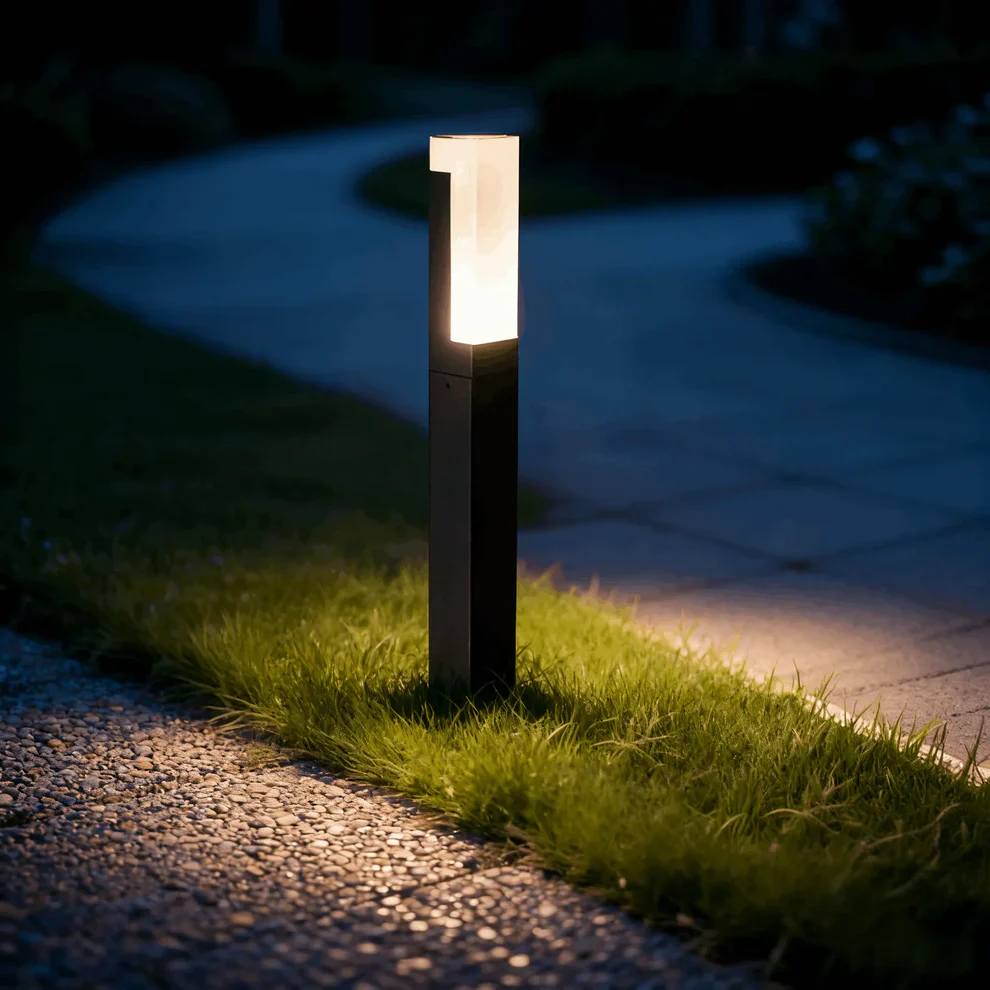
Anpassung der Leuchten an das Äußere des Hauses
Die Auswahl der richtigen LED-Außenleuchten ist entscheidend, um das äußere Design Ihres Hauses zu vervollständigen. Ein durchdacht kuratierter Beleuchtungsstil beleuchtet nicht nur einen dunklen Bereich; er wertet die architektonische Ästhetik Ihres Grundstücks erheblich auf, steigert den Bordsteinwert und den Gesamtwert des Marktes.
Hier sind einige Möglichkeiten, wie strategische Designentscheidungen Ihr Zuhause aufwerten:
Ein professioneller, geschichteter Beleuchtungsplan verstärkt die strukturelle Präsenz Ihres Hauses und schafft einen markanten und luxuriösen ersten Eindruck von der Straße aus.
Strategische Platzierung eliminiert harte Schatten und verbindet nahtlos robuste Sicherheit mit anspruchsvollem Design.
Hochwertige Beleuchtung erweitert die Nutzbarkeit Ihrer Premium-Außenwohnbereiche und verwandelt Terrassen und Decks in einladende Abendrückzugsorte.
Ihre Außenbeleuchtung dient als visuelle Brücke zwischen der Architektur Ihres Hauses und Ihrer Landschaftsgestaltung. Durch die Anpassung der Oberfläche der Leuchte – wie mattes Schwarz, strapazierfähiges Metall oder gebürstetes Messing – an Ihre vorhandenen Beschläge schaffen Sie ein kohärentes, maßgeschneidertes Erscheinungsbild. Darüber hinaus hebt die Verwendung von LEDs mit einem hohen Farbwiedergabeindex (CRI von 80+) die reichen, authentischen Texturen Ihrer natürlichen Holzakzente, Steinarbeiten und botanischen Merkmale präzise hervor und verwandelt einen Standardgarten in eine atemberaubende Nachtlandschaft.
Größe und Platzierung
Die Wahl der richtigen Größe und des richtigen Standorts für Ihre LED-Außenlampen ist wichtig. Sie wollen genug Licht, aber keine Energie verschwenden. Die Tabelle unten zeigt, wo verschiedene Leuchten am besten funktionieren:
Leuchtentyp |
Anwendung |
Wichtige Überlegungen |
|---|---|---|
Flutlicht |
Sicherheit, Sport |
Strahlungscharakteristik, Lumenleistung |
Wandleuchten |
Gebäudeumfang |
IP-Schutzart, Lumenleistung |
Mastaufsatzleuchten |
Gehwege, Dekoration |
Montagehöhe, Strahlungscharakteristik |
Landschaftsleuchten |
Gärten, Akzente |
Einstellbare Helligkeit |
Solarleuchten |
Netzunabhängig, umweltfreundlich |
Lumenleistung, IP-Schutzart |
Wählen Sie höhere Lumen für die Sicherheit und niedrigere Lumen für Akzentbeleuchtung. Überlegen Sie, wie viel Fläche Sie beleuchten möchten. Wenn Ihr Garten klein ist oder Sie Geld sparen möchten, können solarbetriebene Außenleuchten Stil und Einsparungen bieten. Passen Sie die Größe der Leuchte immer an den Bereich an. Platzieren Sie Leuchten so, dass sie Wege, Türen und Merkmale abdecken, ohne zu blenden.
Verwenden Sie Steuerungen für jede Leuchte in jedem Bereich.
Probieren Sie voreingestellte Muster für Partys oder Feiertage aus.
Stellen Sie sicher, dass Ihre Leuchten schlechtem Wetter standhalten, damit sie länger halten.
Intelligente Platzierung und die richtige Größe machen Ihren Außenbereich sicher, schön und energiesparend.
Checkliste für die Auswahl von LED-Außenlampen
Kurzanleitung zur Entscheidung
Sie möchten kluge Entscheidungen für Ihr Außenbeleuchtungsprojekt treffen. Verwenden Sie diese Checkliste, bevor Sie LED-Außenlampen kaufen. Dies hilft Ihnen, das beste Preis-Leistungs-Verhältnis für Ihr Budget und Ihre Bedürfnisse zu erzielen.
Kriterien |
Was zu überprüfen ist |
|---|---|
Lichtstrom (Helligkeit) |
Stellen Sie sicher, dass die Lampe genügend Licht für Ihren Raum liefert. Überprüfen Sie die Lumenangabe. |
Farbtemperatur |
Wählen Sie zwischen 3000K und 4000K für einen warmen oder neutralen Look. |
Farbwiedergabeindex (CRI) |
Wählen Sie einen CRI über 70 für natürliche Farben und bessere Sicherheit. |
Effizienz |
Suchen Sie nach hocheffizienten LEDs, um Energie zu sparen. |
Integration von Smart-Technologie |
Achten Sie auf Funktionen wie Bewegungsmelder oder Zeitschaltuhren für die automatische Steuerung. |
Haltbarkeit |
Prüfen Sie, ob die LED-Außenleuchte Regen, Staub und Sonne standhält. |
Sicherheitsstandards |
Aktie:
Wie Rattan-Pendelleuchten im Vergleich zu anderen Naturfaserleuchten abschneiden
Schritt-für-Schritt-Anleitung zur Auswahl der richtigen LED-Außenleuchten