
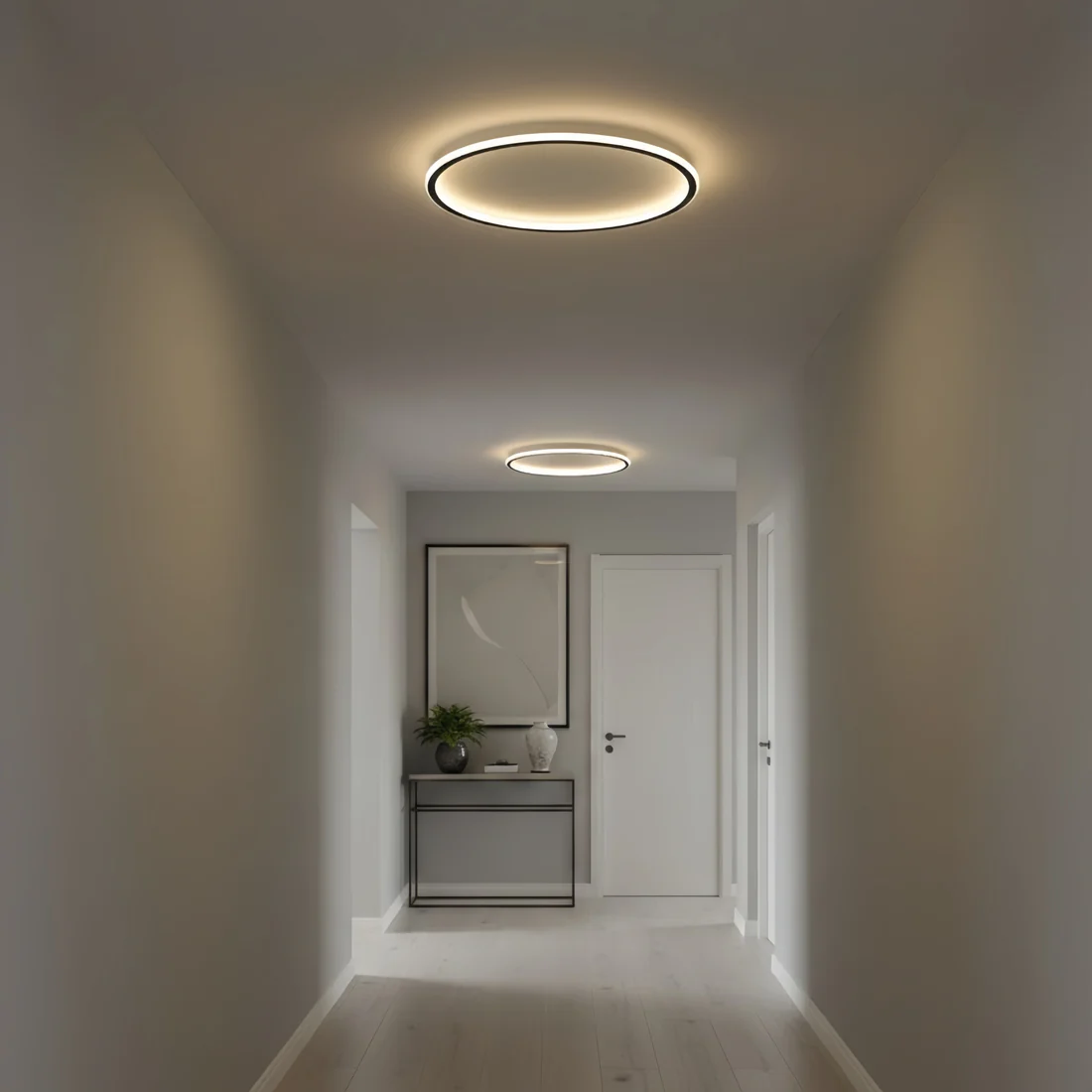
Wenn Sie die Flurbeleuchtung auswählen, treffen Sie eine wichtige Entscheidung für Ihr Zuhause. Eine gute Beleuchtung sollte zur Größe und Form des Flurs passen. Sie sollte auch zum Stil Ihres Hauses passen. Sie möchten, dass Ihr Flur schön aussieht und sicher ist. Studien zeigen, dass eine gute Beleuchtung Stürze bei älteren Menschen um 30 % reduzieren kann. Fast 80 % der Senioren fühlen sich zu Hause mit besserer Beleuchtung sicherer:
Flure mit ausreichend Licht helfen, Unfälle zu vermeiden.
Helle Lichter an der Tür sorgen für ein sicheres und gemütliches Gefühl.
Schauen Sie sich Ideen für die Flurbeleuchtung an, die häufige Fehler vermeiden und Ihnen helfen, Ihren Raum freundlich zu gestalten.
Wichtigste Erkenntnisse
Wählen Sie eine Flurbeleuchtung, die die Sicherheit erhöht. Helle Lichter helfen, Stürze zu vermeiden, insbesondere bei älteren Menschen.
Stellen Sie sicher, dass Ihre Beleuchtungskörper zum Stil Ihres Flurs passen. Dies sorgt für ein stimmiges Gesamtbild und lässt den Flur ansprechend wirken.
Verwenden Sie mehr als eine Art von Beleuchtung für besseres Licht. Das Schichten von Lichtern beseitigt dunkle Stellen und macht den Flur interessanter.
Berücksichtigen Sie die Größe Ihres Flurs, wenn Sie Lichter auswählen. Leuchten in der richtigen Größe lassen den Flur freundlich und angenehm wirken.
Wählen Sie energiesparende Glühbirnen, wie LEDs. Sie helfen Ihnen, Geld zu sparen und halten länger, was sie ideal für Flure macht.
Wichtige Überlegungen zur Flurbeleuchtung
Funktion und Sicherheit
Sie möchten, dass sich Ihr Flur sicher und leicht begehbar anfühlt. Eine gute Beleuchtung hilft Ihnen, sich zurechtzufinden, besonders nachts oder in dunklen Bereichen. Wenn Sie Kinder oder ältere Erwachsene zu Hause haben, können helle Lichter das Risiko von Stürzen und Unfällen verringern. Bewegungsmelder-Lichter schalten sich ein, wenn jemand vorbeigeht, so dass Sie im Dunkeln nicht nach einem Schalter suchen müssen. Einstellbare Helligkeit ermöglicht es Ihnen, die richtige Lichtmenge für verschiedene Tageszeiten einzustellen. Die richtige Platzierung von Leuchten, wie z.B. Wandleuchten, erleichtert das Sehen und Bewegen.
Tipp: Platzieren Sie Wandleuchten auf Augenhöhe, um Blendung und Schatten zu vermeiden. Dies hilft jedem in Ihrem Zuhause, sich wohl und sicher zu fühlen.
Sie möchten auch, dass Ihre Eingangsbeleuchtung Gäste willkommen heißt und Ihnen hilft, Schlüssel oder Schuhe zu finden. Wenn Sie die Flurbeleuchtung auswählen, denken Sie darüber nach, wie sie Ihnen helfen wird, sich sicher von einem Raum zum anderen zu bewegen.
Bewegungsmelder-Lichter sparen Energie und erhöhen die Sicherheit.
Wandleuchten verbessern die Sichtbarkeit in engen Räumen.
Stil- und Dekorationsabgleich
Sie können die Flurbeleuchtung nutzen, um Ihren Stil zu unterstreichen. Die Eingangsbeleuchtung schafft sofort eine Stimmung, sobald jemand Ihr Zuhause betritt. Wandleuchten spenden sanftes, gleichmäßiges Licht entlang der Wände und sehen in vielen Stilen großartig aus. Deckenstrahler eignen sich gut in engen Fluren und verleihen einen modernen Touch. Pendelleuchten sorgen für einen dekorativen Look, besonders wenn Sie hohe Decken haben.
Achten Sie bei der Auswahl der Leuchten auf die Farben und Materialien in Ihrem Flur. Versuchen Sie, die Beleuchtung auf Ihre Möbel oder Ihren Boden abzustimmen. Zum Beispiel passen Wandleuchten aus Holz gut zu Holztischen oder -böden. Warmes Licht lässt Ihren Flur gemütlich wirken, während kühles Licht zu einem modernen Look passt. Sie können die Eingangsbeleuchtung nutzen, um Kunstwerke oder Familienfotos an den Wänden hervorzuheben.
Passen Sie die Materialien der Leuchten an die Einrichtung Ihres Flurs an.
Wählen Sie warmes oder kühles Licht je nach gewünschter Stimmung.
Verwenden Sie Wandleuchten, um sowohl Stil als auch Funktion zu vereinen.
Proportionalität und Raum
Sie müssen eine Flurbeleuchtung wählen, die zur Größe Ihres Raumes passt. Große Leuchten können einen kleinen Flur überladen wirken lassen. Kleine Leuchten können in einem großen Flur unbemerkt bleiben. Wandleuchten eignen sich gut in engen Räumen, da sie nicht zu weit hervorstehen. Unterputz-Deckenleuchten sind am besten für niedrige Decken geeignet, während Pendelleuchten oder Kronleuchter in hohen, breiten Fluren gut aussehen.
Hinweis: Klare oder milchige Glasleuchten können Ihren Flur heller und offener wirken lassen.
Denken Sie bei der Auswahl der Leuchten daran, wie viel Platz Sie haben. Die Eingangsbeleuchtung sollte den Weg nicht versperren oder den Bereich eng wirken lassen. Eine gut geplante Beleuchtung lässt Ihren Flur größer und einladender wirken.
Verwenden Sie Unterputzleuchten für niedrige Decken.
Wählen Sie Wandleuchten für schmale Flure.
Wählen Sie größere Leuchten für breite oder hohe Räume.
Die Wahl von Leuchten, die zur Größe und zum Stil Ihres Flurs passen, hilft Ihnen, einen Raum zu schaffen, der sich sowohl komfortabel als auch schön anfühlt.
Arten von Flurbeleuchtungen
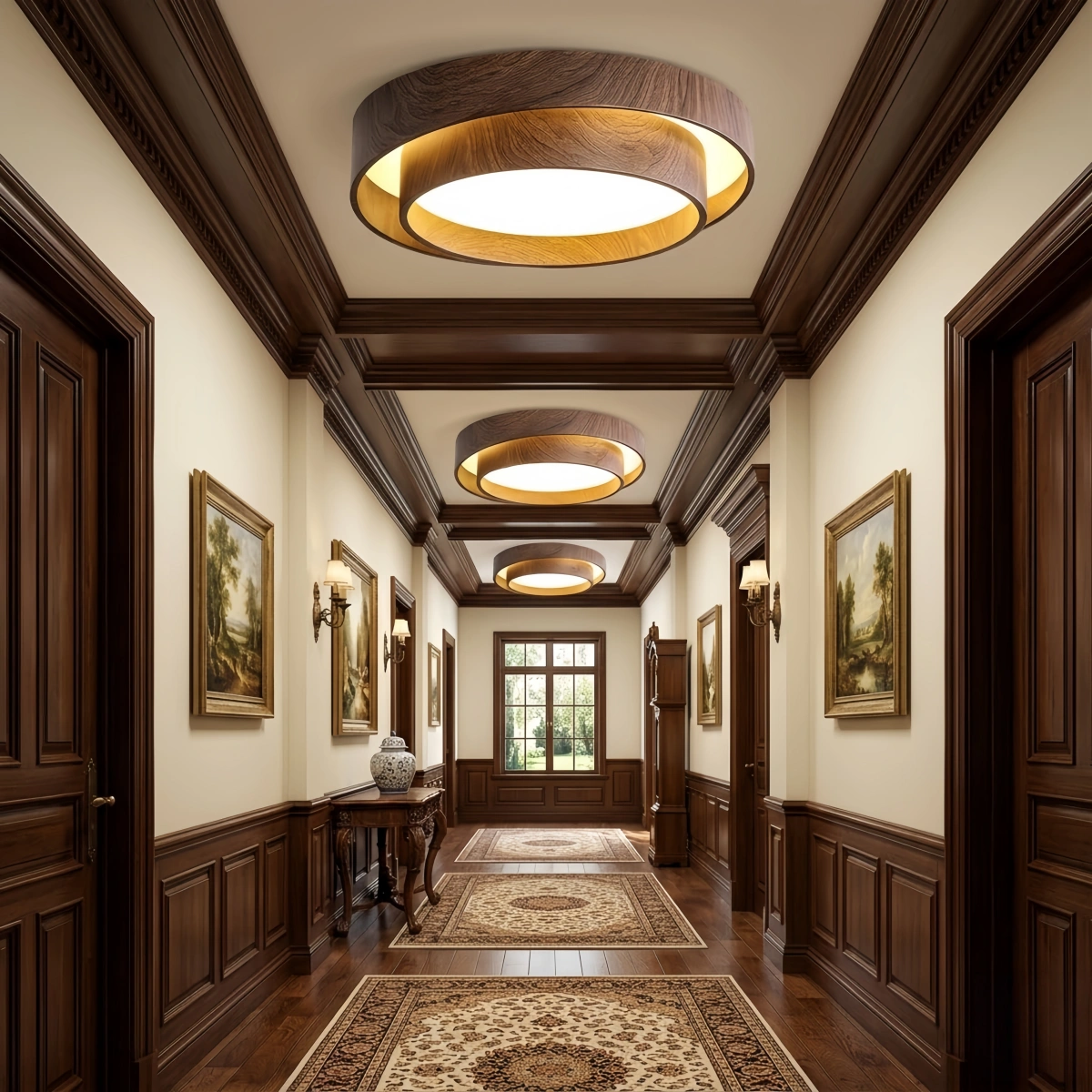
Wenn Sie Flurleuchten auswählen, haben Sie viele Möglichkeiten. Jede Art funktioniert am besten an verschiedenen Orten. Die richtige Leuchte hängt von der Größe Ihres Flurs, der Deckenhöhe und dem Stil ab.
Anbau- und Deckenleuchten
Anbau- und Deckenleuchten sind gängige Flurleuchten. Sie sitzen nah an der Decke, nehmen also nicht viel Platz ein. Man verwendet diese Leuchten in kleinen Fluren oder Fluren mit niedriger Decke. Sie spenden gleichmäßiges Licht und sehen in einfachen Räumen gut aus.
Vorteile |
Nachteile |
|---|---|
Spart Platz |
Nicht sehr dekorativ |
Verbraucht weniger Energie |
Schwer große Räume zu beleuchten |
Leicht zu reinigen |
An manchen Stellen nicht dramatisch |
Gut für niedrige Decken und einfache Räume |
Kann mehr Leuchten für vollständige Abdeckung benötigen |
Verteilt Licht gleichmäßig |
Kann in engen Stellen schwer zu installieren sein |
Anbauleuchten eignen sich am besten für kleine Flure. In langen Fluren können Sie mehrere hintereinander anbringen.
Wandleuchten und Wandbeleuchtung
Wandleuchten sind Flurleuchten, die Stil und Sicherheit verleihen. Sie können sie auf Augenhöhe anbringen, um den Flur warm wirken zu lassen. Wandleuchten erhellen die Wände und helfen, Unfälle an dunklen Stellen zu vermeiden.
Wandleuchten spenden sanftes Licht.
Sie sehen an der Wand schön aus.
Sie auf Augenhöhe anzubringen, verbessert das Licht.
Wandleuchten können Licht nach oben und unten strahlen. Dies lässt Ihren Flur ausgeglichen und freundlich wirken.
Pendelleuchten und Kronleuchter
Pendelleuchten und Kronleuchter sind auffällige Flurleuchten. Sie können sie in breiten oder hohen Fluren verwenden. Diese Lichter fallen auf und lassen den Raum elegant wirken.
Leuchtentyp |
Vorteile |
Nachteile |
|---|---|---|
Pendelleuchten |
Muss die Höhe überprüfen |
|
Viele Stile und kann offene Räume unterteilen |
Reinigung hängt vom Stil ab |
|
Kronleuchter |
Lässt den Raum schick und besonders wirken |
Benötigt mehr Platz |
Kann den Flur höher und größer wirken lassen |
Kann mehr kosten, um sie einzubauen |
|
Einige neue sparen Energie |
Kann schwerer zu reinigen sein |
Wählen Sie diese Flurleuchten, wenn Sie einen markanten Look wünschen.
Einbau- und Schienenbeleuchtung
Einbau- und Schienenbeleuchtung sind moderne Flurleuchten. Einbauleuchten erfordern Änderungen an der Decke und oft einen Fachmann. Sie strahlen schmale Lichtstrahlen ab, daher müssen Sie planen, wo Sie sie anbringen. Schienenbeleuchtung ist einfacher zu installieren. Sie können die Köpfe bewegen, um das Licht dorthin zu lenken, wo Sie es möchten.
Einbauleuchten eignen sich gut für einen schlichten Look.
Schienenbeleuchtung ist flexibel für lange Flure.
Vor- und Nachteile je nach Flurgröße
Sie müssen die Flurleuchten an Ihren Flur anpassen. Kleine Leuchten wie Anbauleuchten passen zu kurzen oder niedrigdeckigen Fluren. Große Leuchten wie Kronleuchter eignen sich gut für breite oder hohe Räume. Für lange Flure verwenden Sie mehr kleine Leuchten oder Schienenbeleuchtung, um dunkle Stellen zu vermeiden.
Flurgröße |
Empfohlene Leuchtentypen |
|---|---|
Niedrige Decken |
Anbauleuchten oder LED-Anbauleuchten |
Lange Flure |
Mehr kleine Lichter, um dunkle Stellen zu vermeiden |
Allgemeines Design |
Zuerst Stil und Deckenhöhe beachten |
Wählen Sie Flurleuchten, die zur Größe und zum Stil Ihres Flurs passen. Dies wird dazu beitragen, dass Ihr Flur hell, sicher und einladend wirkt.
Helligkeit und Abdeckung der Flurbeleuchtung
Lumen und effektive Beleuchtung
Sie brauchen die richtige Lichtmenge, um Ihren Flur sicher und einfach nutzbar zu machen. Lumen messen, wie hell ein Licht ist. Wenn Sie eine Glühbirne mit zu wenig Lumen wählen, kann Ihr Flur dunkel und unsicher wirken. Zu viele Lumen können den Raum harsch erscheinen lassen. Die folgende Tabelle hilft Ihnen, die beste Helligkeit für Ihren Flur zu wählen:
Flurnutzung |
|
|---|---|
Standard-Wohnflur |
5–10 lm/m² |
Eingangsflur / Foyer-Flur |
8–12 lm/m² |
Überprüfen Sie die Größe Ihres Flurs und wählen Sie Glühbirnen, die zu diesen Zahlen passen. Dies hilft Ihnen, ein gleichmäßiges, angenehmes Licht zu erhalten.
Schichtung von Lichtquellen
Sie können Ihren Flur besser aussehen lassen, indem Sie mehr als eine Art von Licht verwenden. Schichtung bedeutet, dass Sie verschiedene Lichter zusammen verwenden. Zum Beispiel können Sie Deckenleuchten mit Wandleuchten kombinieren. Das gibt Ihnen mehr Kontrolle und lässt den Raum lebendig wirken. Hier sind einige Gründe, warum Sie geschichtete Beleuchtung verwenden sollten:
Sie erhalten Flexibilität und Anpassungsfähigkeit.
Sie können eine schöne Atmosphäre schaffen.
Der Flur wirkt interessanter und tiefer.
Sie können Kunstwerke oder besondere Stellen hervorheben.
Sie sparen Energie.
Schichtung funktioniert mit vielen Einrichtungsstilen.
Versuchen Sie, mindestens zwei Arten von Lichtern für den besten Effekt zu verwenden.
Dimmer und Steuerungen
Dimmer und intelligente Steuerungen helfen Ihnen, die Helligkeit in Ihrem Flur zu ändern. Sie können Energie sparen und Ihre Stromrechnung senken, indem Sie die Lichter dimmen, wenn Sie nicht die volle Helligkeit benötigen. Dimmer helfen auch Ihren Glühbirnen, länger zu halten. Hier sind einige Vorteile der Verwendung von Dimmern und Steuerungen:
Das Dimmen von Lichtern spart Energie und Geld.
Glühbirnen halten länger, weil sie weniger Belastung ausgesetzt sind.
Sie können Dimmer mit vielen Glühbirnentypen verwenden, einschließlich LEDs.
Dimmer machen Ihren Flur sicherer, indem sie dunkle Stellen beleuchten.
Bewegungssensoren schalten Lichter ein, wenn Sie vorbeigehen.
Sie können Kunstwerke oder besondere Merkmale hervorheben.
Dimmer ermöglichen es Ihnen, die Stimmung für jede Zeit oder Veranstaltung einzustellen.
Sie können die Helligkeit einfach für große oder kleine Räume anpassen.
Wenn Sie Dimmer und Steuerungen hinzufügen, machen Sie Ihre Flurbeleuchtung intelligenter und nützlicher.
Farbtemperatur für Flure
Warmes vs. kühles Licht verstehen
Sie können das Gefühl Ihres Flurs komplett verändern, indem Sie die Farbtemperatur verstehen. Gemessen in Kelvin (K), bedeuten niedrigere Zahlen wärmeres Licht, während höhere Zahlen kühleres Licht bedeuten.
Warmes Licht: Schafft eine gemütliche und einladende Atmosphäre. Dies ist der Standard für Wohnräume, um Ihr Zuhause einladend wirken zu lassen.
Kühles Licht: Bietet Klarheit und Fokus. Obwohl es für gewerbliche Räume notwendig ist, lässt es Flure in Wohnhäusern oft steril und ungemütlich wirken.
Tipp: Überprüfen Sie immer die Glühbirnenverpackung auf die Kelvin-Zahl. Warme Lichter liegen zwischen 2700K und 3500K, während kühle Lichter bei 4000K beginnen und höher gehen.
Der 3000K Sweet Spot
Wenn es um Flure in Wohnhäusern geht, sind sich Beleuchtungsexperten einig, dass man nicht raten muss. Während Büros oder Krankenhäuser 4000K oder mehr verwenden könnten, ist die Verwendung dieser kühleren Töne ein häufiger Fehler in Wohnräumen.
Während Büros oder Krankenhäuser 4000K oder höher verwenden könnten, ist dies ein häufiger Fehler für Wohnräume. Für den idealen Flur zu Hause ist 3000K warmweiß der absolute Sweet Spot. Es gleicht perfekt die für die Sicherheit erforderliche Klarheit mit der gemütlichen, hochwertigen Atmosphäre eines einladenden Zuhauses aus. Es bringt die satten Töne von Naturmaterialien wie Walnussholz zur Geltung und mildert die Schatten an Ihren Wänden.
Farbtemperatur |
Erzeugte Stimmung |
Am besten geeignet für |
|---|---|---|
2700K–3500K |
Gemütlich, beruhigend |
Flure, entspannende Räume |
4000K |
Klar, klinisch |
Garagen, Hauswirtschaftsräume |
6000K–7000K |
Wach, fokussiert |
Büros, Arbeitsbereiche |
Indem Sie sich strikt für ein 3000K warmes Licht entscheiden, stellen Sie sicher, dass Ihr Flur sich wie ein hochwertiger, bewusst gestalteter Teil Ihres Zuhauses anfühlt und nicht wie ein steriler Korridor.
Strategien zur Flurbeleuchtung
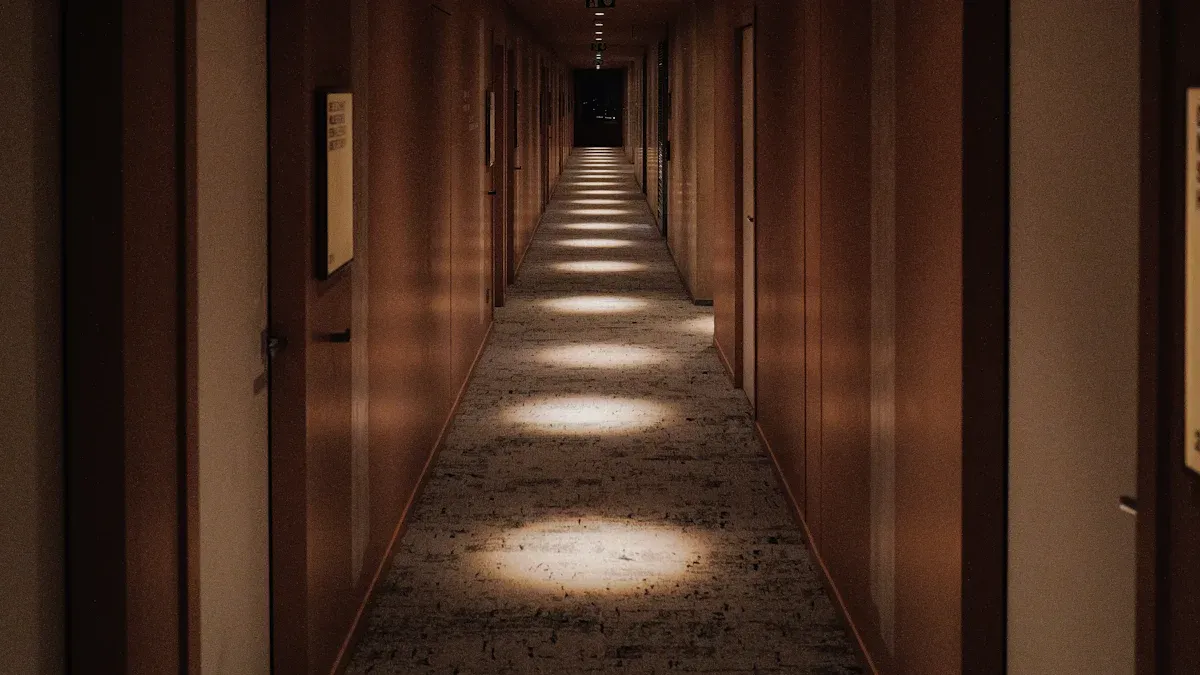
Die 5'7"-Regel für Wandleuchten
Die 5'7"-Regel hilft Ihnen, Wandleuchten zu platzieren. Sie sollten die Leuchten 5 bis 7 Fuß auseinander anbringen. Dies hält den Flur hell und sicher. Es verhindert die Bildung dunkler Flecken. Das Licht wird glatt und gleichmäßig aussehen.
Tipp: Bringen Sie Wandleuchten auf Augenhöhe an, um Komfort zu gewährleisten. Dies hilft, Blendung zu vermeiden und macht das Licht angenehm für Ihre Augen.
Platzierung für schmale und breite Flure
Sie benötigen einen anderen Plan für jede Flurform. Die Tabelle unten zeigt, was am besten funktioniert:
Flurtyp |
Empfohlene Beleuchtungsstrategie |
Zusätzliche Hinweise |
|---|---|---|
Schmal |
Verwenden Sie Einbauleuchten |
Schatten erzeugen Tiefe; verstellbare Typen sind hilfreich |
Breit |
Mehrere Leuchten |
Verwenden Sie mehr Leuchten, um den Bereich hell zu halten |
Einbauleuchten eignen sich gut für schmale Flure. Sie lassen den Raum weniger eng wirken. In breiten Fluren verwenden Sie mehr Leuchten, um es hell zu halten.
Abstand und Deckenhöhe
Berücksichtigen Sie die Deckenhöhe, wenn Sie Ihre Beleuchtung planen. Für LED-Deckenleuchten platzieren Sie diese nahe an der Deckenhöhe. Die meisten Decken sind etwa 2,4 bis 2,7 Meter hoch. Platzieren Sie die Leuchten also etwa 2 bis 2,5 Meter auseinander. Dies hält den Flur hell und gleichmäßig.
Spiegel können dazu beitragen, Ihren Flur heller zu machen. Große Spiegel lassen den Raum größer und heller erscheinen. Helle Wände reflektieren ebenfalls Licht und öffnen den Raum. Die Oberfläche Ihrer Leuchten kann zusätzlichen Glanz verleihen.
Hinweis: Guter Abstand und glänzende Oberflächen lassen Ihren Flur sicher und einladend wirken.
Stiltrends in der Flurbeleuchtung
Modern und Minimalistisch
Moderne und minimalistische Flurbeleuchtung verleiht Ihrem Flur ein ordentliches Aussehen. Diese Leuchten haben einfache Formen und glatte Linien. Viele Menschen mögen Wandleuchten mit geometrischen Designs und schlichten Farben. Moderne Flurleuchten verwenden oft natürliche Materialien. Das macht den Raum hübsch, aber nicht überladen. Wenn Sie nach oben schauen, möchten Sie eine schöne Leuchte sehen. Sie möchten keine nackte Glühbirne oder etwas, das seltsam aussieht. Moderne Wandleuchten spenden Licht und schmücken gleichzeitig Ihren Flur. Sie tragen dazu bei, Ihren Flur gemütlich zu gestalten und lassen mehr Platz an der Decke.
Tipp: Nutzen Sie den leeren Raum, um die besten Teile Ihres Flurs hervorzuheben.
Moderne Beleuchtungsstile konzentrieren sich sowohl auf ihre Funktion als auch auf ihr Aussehen. Sie können Leuchten auswählen, die Ihnen helfen, gut zu sehen und zum Stil Ihres Flurs passen.
Klassische und Statement-Leuchten
Klassische und Statement-Leuchten können Ihren Flur hervorstechen lassen. Diese Leuchten tun mehr als nur den Raum aufhellen. Sie wirken wie Kunstwerke und schaffen die richtige Stimmung. Sie können aus vielen Stilen wählen, wie zum Beispiel Vintage- oder ausgefallene Wandleuchten, passend zu Ihrem Geschmack. Das Material und die Oberfläche jeder Leuchte verleihen Textur und Tiefe. Die Verwendung verschiedener Leuchten, wie Wandleuchten und Einbauleuchten, lässt Ihren Flur schön und interessant aussehen.
Statement-Leuchten verschönern Ihren Flur.
Der richtige Leuchtenstil verändert das Raumgefühl im Flur.
Materialien und Oberflächen ändern die Stimmung.
Sie können klassische Leuchten für Eleganz oder mutige Designs für einen modernen Touch verwenden.
Abstimmung mit der Wohneinrichtung
Sie sollten Ihre Flurbeleuchtung auf den Stil Ihres Hauses abstimmen. Beginnen Sie mit der Auswahl von Leuchten, die zur Größe und zum Aussehen Ihres Flurs passen. Verwenden Sie flächenbündige Leuchten für schmale Räume. Probieren Sie einen Kronleuchter für breite Bereiche. Die Schichtung von Licht mit Ambient-, Arbeits- und Akzentquellen macht Ihren Flur unterhaltsam und nützlich. Die Farbtemperatur ist ebenfalls wichtig. Warme Glühbirnen lassen Ihren Flur gemütlich wirken. Kühlere Töne verleihen ein modernes Gefühl.
Hinweis: Die Abstimmung Ihrer Flurbeleuchtung auf den Stil Ihres Hauses lässt Ihren Raum verbunden und einladend wirken.
Sie können verschiedene Beleuchtungsstile ausprobieren, um herauszufinden, was am besten zu Ihrem Zuhause passt.
Praktische Beleuchtungstipps und Fehler, die es zu vermeiden gilt
Energieeffizienz und Lampentypen
Sie können Geld sparen und die Umwelt schonen, indem Sie die richtigen Glühbirnen für Ihren Flur auswählen. Energieeffiziente Glühbirnen halten länger und verbrauchen weniger Strom. Wenn Sie Beleuchtung für den Eingangsbereich auswählen, achten Sie auf diese Optionen:
LED-Glühbirnen: Diese Glühbirnen verbrauchen sehr wenig Energie. Sie halten lange und sind in vielen Farben erhältlich. Sie werden niedrigere Stromrechnungen sehen, wenn Sie LEDs verwenden.
CFL-Glühbirnen: Diese Glühbirnen sparen ebenfalls Energie. Sie halten länger als alte Glühlampen. Manche Leute mögen es nicht, dass CFLs Zeit brauchen, um ihre volle Helligkeit zu erreichen.
Tipp: LED-Glühbirnen eignen sich gut für die Beleuchtung des Eingangsbereichs, da sie helles Licht spenden und Geld sparen.
Smarte Beleuchtung und Bewegungsmelder
Smarte Glühbirnen und Bewegungsmelder machen Ihren Flur sicherer und bequemer. Sie können smarte Glühbirnen von Ihrem Telefon aus steuern. Sie können Farbe und Helligkeit an Ihre Stimmung anpassen. Bewegungsmelder schalten die Beleuchtung im Eingangsbereich ein, wenn jemand vorbeigeht. Dies hält Ihren Flur hell, ohne Energie zu verschwenden.
Smarte Beleuchtungssysteme ermöglichen es Ihnen, Helligkeit und Farbtemperatur einzustellen. Sie können den Flur so einstellen, dass er sich gemütlich oder klar anfühlt. Bewegungsmelder helfen Ihnen, nachts zu sehen und Ihr Zuhause sicher zu halten. Sie müssen sich keine Sorgen machen, im Dunkeln einen Schalter zu finden.
Häufige Installationsfehler
Sie möchten, dass Ihr Flur gut aussieht und sich sicher anfühlt. Viele Menschen machen Fehler bei der Installation der Beleuchtung im Eingangsbereich. Hier sind einige häufige Fehler:
Unterschätzung des Helligkeitsbedarfs. Nicht ausreichendes Licht kann Unfälle verursachen.
Vernachlässigung der Stilkonstanz. Leuchten, die nicht zum Flur passen, können seltsam aussehen.
Auslassen der richtigen Installation oder Wartung. Schlechte Installation kann zu Sicherheitsproblemen führen.
Übersehen von Schichtbeleuchtung. Nur ein Licht zu verwenden, kann dunkle Stellen hinterlassen.
Ignorieren des Leuchtenmaßstabs. Zu große oder zu kleine Leuchten stören das Gleichgewicht.
Vernachlässigung der Farbtemperatur. Der falsche Ton kann den Flur harsch wirken lassen.
Wahl der falschen Leuchtengröße. Dies kann den Raum unwillkommen wirken lassen.
Schlechte Platzierung und Abstände. Schlechte Positionierung erzeugt Schatten.
Ignorieren der Deckenhöhe. Niedrige Decken benötigen flächenbündige Leuchten. Hohe Decken können größere Leuchten verwenden.
Hinweis: Sie können diese Fehler vermeiden, indem Sie Ihre Beleuchtung im Eingangsbereich sorgfältig planen. Überprüfen Sie Größe, Helligkeit und Stil, bevor Sie eine Leuchte installieren.
Sie müssen die Flurbeleuchtung wählen, die zu Ihrem Raum und Stil passt. Betrachten Sie Ihren Flur und entscheiden Sie, was am besten zu Ihrem Zuhause passt. Erstellen Sie eine Checkliste, bevor Sie eine Leuchte kaufen. Vermeiden Sie häufige Fehler wie die Wahl der falschen Größe oder Helligkeit.
Denken Sie daran, gute Beleuchtung macht Ihr Zuhause sicherer und einladender. Entdecken Sie verschiedene Optionen und finden Sie, was zu Ihrem Flur passt.
FAQ
Welche Art von Glühbirne ist die beste für Flure?
Sie sollten LED-Glühbirnen verwenden. LEDs sparen Energie, halten lange und spenden helles Licht. Sie können warme oder kühle Töne wählen. LEDs funktionieren auch gut mit Dimmern und smarten Steuerungen.
Wie viele Lichter benötige ich in einem langen Flur?
Sie benötigen genug Lichter, um den gesamten Raum abzudecken. Platzieren Sie Deckenleuchten oder Wandleuchten alle 5 bis 7 Fuß. Dies verhindert dunkle Stellen und hält Ihren Flur hell und sicher.
Kann ich smarte Beleuchtung in meinem Flur verwenden?
Ja, Sie können smarte Glühbirnen oder Bewegungsmelder verwenden. Diese ermöglichen es Ihnen, Helligkeit und Farbe mit Ihrem Telefon zu steuern. Bewegungsmelder schalten Lichter ein, wenn Sie vorbeigehen, was Energie spart.
Wie hoch sollte ich Flurleuchten aufhängen?
Hängen Sie Wandleuchten auf Augenhöhe auf, etwa 60 bis 66 Zoll vom Boden entfernt. Bei Deckenleuchten stellen Sie sicher, dass Sie mindestens 7 Fuß Freiraum haben, damit Personen sicher gehen können.
Welche Farbtemperatur eignet sich am besten für Flure?
Für Flure in Wohnungen ist 3000K warmweiß die absolut beste Wahl. Vermeiden Sie grelle, kühlere Lichter (4000K+), die Räume klinisch wirken lassen können. Ein 3000K-Ton gleicht die sichere Sichtbarkeit perfekt mit einer gemütlichen, hochwertigen Atmosphäre aus und hebt gleichzeitig hochwertige Materialien wie Walnussholz oder geripptes Acryl wunderschön hervor.
Aktie:
Die besten Outdoor-Kronleuchter für kleine Terrassen und Veranden
Der vollständige Leitfaden zur Auswahl der richtigen Mondlichtlampe im Jahr 2026