
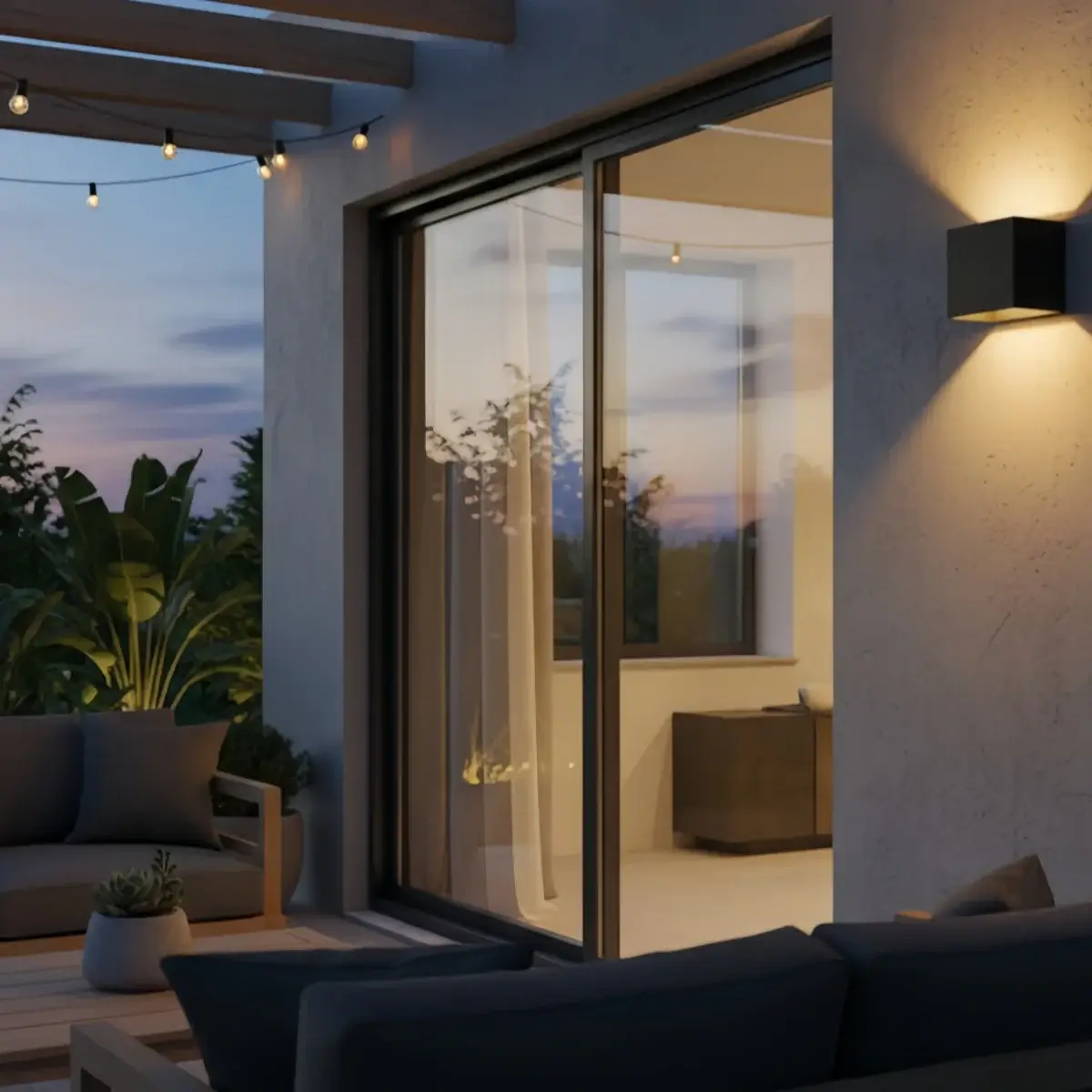
Die Wahl der richtigen Außenleuchte für Ihr Zuhause kann überwältigend sein, aber Sie können den Prozess vereinfachen, indem Sie sich auf Proportionen, Sicherheit und Stil konzentrieren. Fast 90 Prozent der Hauskäufer halten eine gute Außenbeleuchtung für wesentlich oder wünschenswert, daher sind Ihre Entscheidungen sowohl für die Attraktivität des Hauses als auch für die Sicherheit wichtig. Berücksichtigen Sie bei der Auswahl einer Leuchte Typ, Größe, Stil, Beleuchtung, Sicherheitsbewertungen und aktuelle Trends. Vermeiden Sie häufige Fehler wie Überbeleuchtung, schlechte Platzierung oder die Verwendung von Leuchten, die Ihrem Klima nicht standhalten. Mit dem richtigen Ansatz schaffen Sie ein einladendes und sicheres Umfeld um Ihr Zuhause.
Laut Branchenumfragen der National Association of Home Builders: 90 % der Hauskäufer bewerten Außenbeleuchtung als "essenziell" oder "wünschenswert"
Wichtige Erkenntnisse
Wählen Sie Außenleuchten, die zum Architekturstil Ihres Hauses passen, um ein harmonisches Gesamtbild zu erzielen.
Priorisieren Sie die Sicherheit, indem Sie Gehwege und Eingänge beleuchten, um Unfälle zu vermeiden und Eindringlinge abzuschrecken.
Wählen Sie die richtige Größe für die Leuchten, indem Sie die 1/3- oder 1/4-Regel anwenden, um das visuelle Gleichgewicht an Ihrem Eingang zu wahren.
Verwenden Sie energieeffiziente LED-Lampen, um Stromkosten zu sparen und den Wartungsaufwand zu reduzieren.
Überprüfen und warten Sie Ihre Leuchten regelmäßig, um sicherzustellen, dass sie gut funktionieren und länger halten.
Warum Außenleuchten wichtig sind
Curb Appeal & erster Eindruck
Sie möchten, dass Ihr Zuhause aus den richtigen Gründen auffällt. Die richtige Außenleuchte kann das Aussehen Ihres Anwesens verändern und es für Besucher und potenzielle Käufer attraktiver machen. Wenn Sie eine gut gestaltete Beleuchtung installieren, heben Sie architektonische Merkmale und die Landschaftsgestaltung hervor. Dies schafft eine warme und einladende Atmosphäre, die Gäste willkommen heißt, noch bevor sie eintreten.
Außenbeleuchtung verbessert die Ästhetik Ihres Hauses und macht es optisch ansprechend.
Sie lenkt die Aufmerksamkeit auf einzigartige Details und die Landschaftsgestaltung und steigert so die Attraktivität des Hauses.
Ein gut beleuchteter Außenbereich weckt das Interesse von Käufern und hinterlässt einen bleibenden ersten Eindruck.
Sie können eine Außenleuchte verwenden, um Ihren Eingangsbereich, Ihre Veranda oder Ihren Garten hervorzuheben. Diese einfache Aufwertung kann die Marktfähigkeit und den wahrgenommenen Wert Ihres Hauses steigern.
Sicherheit & Sichtbarkeit
Sicherheit sollte immer oberste Priorität haben. Die richtige Außenbeleuchtung reduziert Schatten und dunkle Stellen und macht Gehwege, Einfahrten und Eingänge für alle sicherer. Sie helfen, Stolperfallen zu vermeiden, indem Sie Treppen und Wege beleuchten. Außenlampen und Wandleuchten schrecken auch unerwünschte Besucher ab, indem sie Ihr Eigentum für Eindringlinge weniger attraktiv machen.
Gut beleuchtete Bereiche verhindern kriminelle Aktivitäten.
Bewegungssensoren sorgen sofort für Licht und schrecken potenzielle Eindringlinge ab.
Gute Beleuchtung hilft Rettungsdiensten, Ihr Zuhause schnell zu finden.
Sie schützen Ihre Familie und Gäste, wenn Sie für jeden Bereich die richtige Außenleuchte wählen.
Einheitliches äußeres Erscheinungsbild
Ein koordinierter Beleuchtungsplan bringt das Äußere Ihres Hauses zusammen. Passende Leuchten und Oberflächen schaffen ein einheitliches Aussehen, das gewollt und poliert wirkt. Wenn Sie Leuchten auswählen, die zur Architektur Ihres Hauses passen, steigern Sie dessen Gesamtanmutung.
Die richtige Außenbeleuchtung kann den wahrgenommenen Wert Ihres Hauses um bis zu 20 % steigern.
Häuser mit einem starken „Curb Appeal“ verkaufen sich oft 7–14 % teurer als vergleichbare Immobilien.
Traufbeleuchtung und koordinierte Leuchten lassen Ihr Zuhause einladend und sicher wirken.
Sie können ein stimmiges Design erzielen, indem Sie Außenleuchten wählen, die Ihrem Stil und Ihren Bedürfnissen entsprechen.
Arten von Außenleuchten
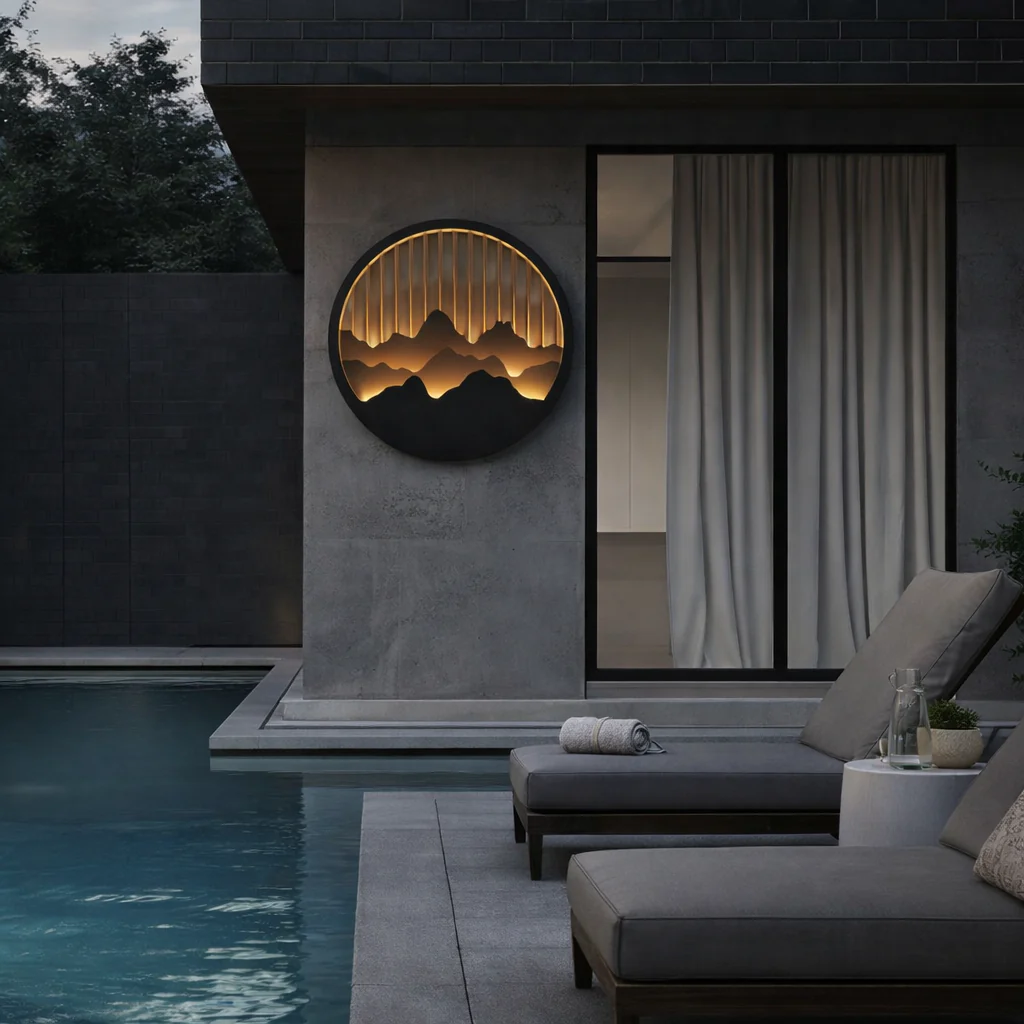
Die Wahl der richtigen Außenleuchte beginnt mit dem Verständnis der Haupttypen und ihrer besten Verwendungszwecke. Jeder Typ dient einem einzigartigen Zweck und kann die Sicherheit, den Stil und die Funktionalität Ihres Hauses verbessern.
Wandmontierte Optionen
Wandleuchten, wie Wandlaternen und Wandpacks, bieten Vielseitigkeit und Stil. Hausbesitzer entscheiden sich oft für diese Modelle, weil sie energieeffizient sind, helfen, die Stromrechnung zu senken und eine essentielle Umgebungsbeleuchtung bieten. Sie können damit Eingänge, Garagen und Terrassen effektiv beleuchten und gleichzeitig die Ästhetik Ihres Hauses definieren.
Vorteile |
Nachteile |
|---|---|
Platzsparend: Gibt Boden- und Wegfläche frei, ideal für schmale Eingangsbereiche. |
Eingeschränkte Lichtrichtung: Licht wird von der Wand blockiert, wodurch ein 180-Grad- statt 360-Grad-Bereich entsteht. |
Ästhetischer Reiz: Fügt sich nahtlos in die Architektur Ihres Hauses ein und definiert das "Gesicht" des Hauses. |
Installationskomplexität: Erfordert Bohren und präzises Abdichten, um das Eindringen von Wasser in die Außenwand zu verhindern. |
Haltbarkeit: Die Befestigung am Haus bietet oft mehr Schutz vor Wind und unbeabsichtigten Stößen als Mastleuchten. |
Höhenempfindlichkeit: Wenn zu hoch montiert, entsteht eine starke Blendung; wenn zu niedrig, wird der Weg nicht effektiv beleuchtet. |
Flexibilität: Kompatibel mit verschiedenen Leuchtmitteln (LED, Smart-Leuchtmittel) und Farbtemperaturen (z. B. 3000K). |
Schattenbildung: Kann "Hot Spots" oder lange Schatten auf der Wandoberfläche erzeugen, wenn das Leuchtendesign zu nah an der Verkleidung ist. |
Wandmontierte Optionen eignen sich gut zur Hervorhebung architektonischer Merkmale und zur Verbesserung der Sichtbarkeit bei Nacht.
Decken- und Hängeleuchten
Decken- und Hängeleuchten, einschließlich Baldachinbeleuchtung, verleihen überdachten Räumen sowohl Funktion als auch Stil. Sie können diese Leuchten in Veranden, Pavillons und Terrassen installieren. Sie sorgen für eine gleichmäßige Beleuchtung und erhöhen die Sicherheit in Bereichen, in denen Sie sich versammeln oder entspannen. Zu den Hauptvorteilen von Decken- und Hängeleuchten gehören:
Erhöhen die Sicherheit auf privaten Terrassen und Gehwegen
Sorgen für gleichmäßiges Licht in überdachten Außenbereichen
Dienen als Gestaltungselement für verschiedene Architekturstile
Verbessern die Sicherheit des Grundstücks, indem sie Eindringlinge abschrecken
Mast- und Landschaftsleuchten
Mast- und Landschaftsleuchten verwandeln Außenbereiche in einladende Orte. Sie können Mastleuchten entlang von Einfahrten oder Gehwegen sowohl funktional als auch dekorativ einsetzen. Landschaftsbeleuchtung, wie Wegbeleuchtung und Akzentbeleuchtung, hebt Schwerpunkte hervor und verleiht Ihrem Garten Tiefe. Durch die Integration dieser spezifischen Leuchten können Sie:
Architektonische Merkmale und Landschaftsgestaltung hervorheben
Gehwege und Einfahrten beleuchten für eine sichere Navigation
Eleganz und visuelles Interesse in Außenbereiche bringen
Ein gut geplantes System kann Ihr Zuhause nachts hervorheben und die Sicherheit für Gäste erhöhen.
Sicherheitsbeleuchtung
Sicherheitsbeleuchtung, einschließlich Flutlichter und Bewegungsmelder, schützt Ihr Eigentum. Sie können diese Außenleuchten um Eingänge, Garagen und dunkle Ecken installieren. Sie bieten eine intensive Beleuchtung, schrecken unerwünschte Besucher ab und geben Ihnen ein Gefühl der Sicherheit.
Tipp: Kombinieren Sie verschiedene Arten von Außenleuchten für eine mehrschichtige Beleuchtung. Dieser Ansatz schafft ein ausgewogenes Erscheinungsbild und verbessert sowohl die Sicherheit als auch die Attraktivität des Hauses.
Leuchtengröße & Platzierung
Größenregeln
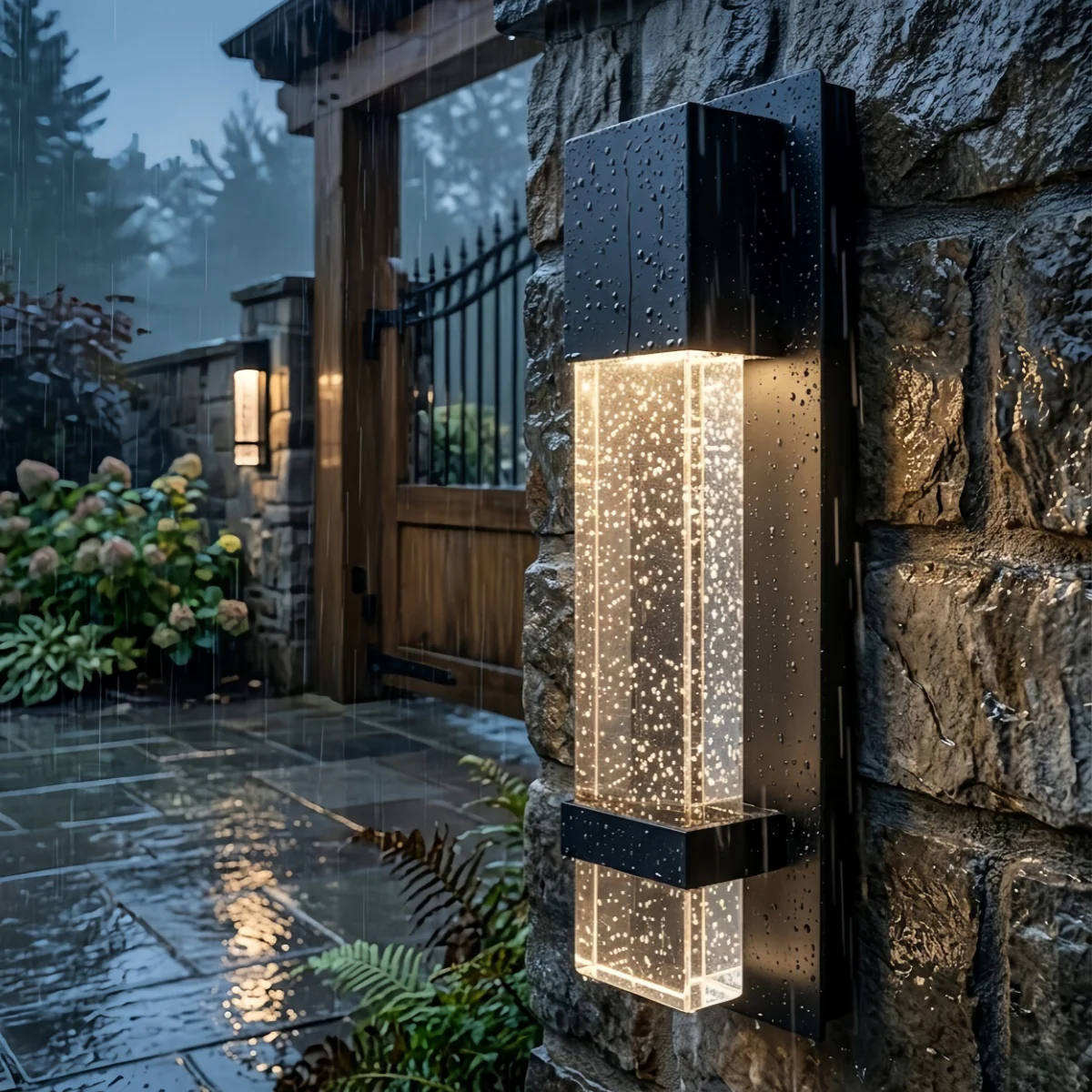
Die Wahl der richtigen Größe für Ihre Außenleuchte sorgt dafür, dass Ihr Zuhause ausgewogen und einladend wirkt. Sie sollten die 1/3- bis 1/4-Regel beachten, wenn Sie Leuchten für Eingangsbereiche dimensionieren. Diese Richtlinie hilft Ihnen, häufige Fehler zu vermeiden, wie z. B. die Wahl von Leuchten, die zu klein oder zu groß für den Raum sind.
Leuchtentyp |
Größe im Verhältnis zur Türhöhe |
|---|---|
Einzelseitenlaterne |
1/3 der Türhöhe |
Doppelseitenlaternen |
1/4 der Türhöhe |
Wenn Sie eine einzelne Seitenlaterne anbringen, sollte diese etwa ein Drittel der Höhe Ihrer Tür betragen.
Wenn Sie zwei Leuchten auf jeder Seite verwenden, wählen Sie Leuchten, die ein Viertel der Höhe des Eingangsbereichs betragen.
Sie erhalten ein visuelles Gleichgewicht, indem Sie die Größe der Leuchte an den Eingang anpassen. Viele Hausbesitzer wählen zu kleine Leuchten, was die Harmonie des Äußeren stört. Sie sollten auch den Stil der Leuchte an die Architektur Ihres Hauses anpassen. Dieser Ansatz schafft ein stimmiges Aussehen und verbessert die Attraktivität des Hauses.
Tipp: Treten Sie immer zurück und betrachten Sie Ihren Eingang von der Straße aus, bevor Sie die Größe Ihrer Leuchte festlegen. Diese Perspektive hilft Ihnen zu erkennen, ob die Proportionen stimmen.
Montagehöhe
Die Montagehöhe spielt eine entscheidende Rolle für die Effektivität und das Erscheinungsbild Ihrer Außenbeleuchtung. Sie müssen die Leuchten in der richtigen Höhe installieren, um eine optimale Beleuchtung und Sicherheit zu erzielen.
Für Außenwandleuchten positionieren Sie die Mitte der Leuchte zwischen 60 und 72 Zoll über dem Boden.
Niedrig montierte Leuchten (1–2 Fuß) eignen sich am besten für Wege und Gartenränder.
Mittelhoch montierte Leuchten (3–5 Fuß) heben Wände und mittelgroße Merkmale hervor.
Hoch montierte Leuchten (ab 6 Fuß) eignen sich für Sicherheitsbeleuchtung oder hohe Bäume.
Die Höhe Ihrer Beleuchtung beeinflusst, wie sich das Licht ausbreitet und wo Schatten entstehen. Hoch montierte Leuchten können Blenden verursachen und Energie verschwenden. Niedrig montierte Leuchten können eine harte Beleuchtung und ungleichmäßige Abdeckung erzeugen. Sie verbessern die Sicherheit, Sichtbarkeit und Energieeffizienz, indem Sie die Leuchten in der empfohlenen Höhe installieren.
Die richtige Platzierung von Außenleuchten beleuchtet Gehwege und Stufen und reduziert Stolpergefahren. Sie verbessern die visuelle Attraktivität Ihres Hauses, indem Sie Eingänge und Gartenmerkmale hervorheben. Das Schichten von Licht mit mehreren Quellen verleiht Außenbereichen Tiefe und Dimension. Eine ausreichende Beleuchtung schreckt Eindringlinge ab und macht die Navigation für Ihre Familie und Gäste sicherer.
Hinweis: Regelmäßige Wartung Ihres Beleuchtungssystems gewährleistet eine konstante Leistung und Sicherheit. Überprüfen Sie auf durchgebrannte Glühbirnen, flackernde Lichter und Anzeichen von Korrosion oder Wasserschäden.
Stil- & Farbwahl
Anpassung an die Hausarchitektur
Sie sollten Ihre Außenleuchte immer an den architektonischen Stil Ihres Hauses anpassen. Dieser Ansatz schafft ein stimmiges Erscheinungsbild und verbessert die Attraktivität des Hauses. Jeder Architekturstil passt am besten zu bestimmten Beleuchtungsdesigns. Die Tabelle unten zeigt beliebte Kombinationen:
Architekturstil |
Beleuchtungsstil |
Beschreibung |
|---|---|---|
Modern/Zeitgenössisch |
Hardscape-Beleuchtung, minimalistische LEDs, geometrische Leuchten |
Betont klare Linien und skulpturale Qualitäten. |
Bauernhaus/Rustikal |
Terrassenbeleuchtung, Bistro-Lichter, verwitterte Laternen |
Verleiht Wärme und ergänzt rustikale Texturen. |
Viktorianisch/Gotisch |
Baumbeleuchtung, Wegbeleuchtung, dekorative Wandleuchten |
Betont reich verzierte Zierelemente und Gartenmerkmale. |
Ranch/Mid-Century Modern |
Subtile, dezente Beleuchtung |
Bewahrt die Einfachheit und verbindet Innen- und Außenbereiche. |
Sie können auch aktuelle Trends aufgreifen, um Ihr Exterieur zu modernisieren. Intelligente Beleuchtung, geometrische Formen und versteckte Leuchten sind populär geworden. Viele Hausbesitzer entscheiden sich heute für abstimmbare LED-Leuchten und intelligente Steuerungen für mehr Flexibilität und Energieeinsparungen. Dark Sky-konforme Leuchten tragen dazu bei, die Lichtverschmutzung zu reduzieren und die Beleuchtung auf die Bereiche zu konzentrieren, wo sie benötigt wird.
Tipp: Wählen Sie eine Beleuchtung, die die besten Merkmale Ihres Hauses hervorhebt, ohne das Design zu überladen.
Aufeinander abgestimmte Oberflächen
Die Wahl der richtigen Oberfläche für Ihre Außenleuchte beeinflusst sowohl Stil als auch Haltbarkeit. Sie sollten Materialien wie Aluminiumdruckguss, Edelstahl oder hochdichte Kunststoffe wählen. Diese Optionen sind beständig gegen Rost, Korrosion und UV-Verblassen, was für den Außeneinsatz unerlässlich ist. Pulverbeschichtungen bieten eine zusätzliche Schutzschicht, die den Wartungsaufwand im Laufe der Zeit reduziert.
Überprüfen Sie Ihre Leuchten regelmäßig auf frühe Anzeichen von Rost oder Korrosion. Das frühzeitige Beheben dieser Probleme verhindert Wasserschäden und verlängert die Lebensdauer Ihrer Beleuchtung. Robuste Oberflächen sorgen nicht nur dafür, dass Ihre Leuchten wie neu aussehen, sondern gewährleisten auch eine zuverlässige Leistung bei rauen Wetterbedingungen.
Hinweis: Einheitliche Oberflächen bei allen Leuchten schaffen ein harmonisches Erscheinungsbild und vereinfachen die Wartung.
Beleuchtung & Sicherheitsmerkmale
Die Wahl der richtigen Glühbirnen & Effizienz
Sie müssen die richtige Glühbirne für Ihre Außenbeleuchtung auswählen und dabei Leistung und Energieverbrauch abwägen. LED-Glühbirnen sind im Vergleich zu herkömmlichen Glühlampen die deutlich bessere Wahl. LEDs erzeugen 100–200 Lumen pro Watt, was bedeutet, dass sie bis zu 85 % weniger Energie verbrauchen, um die gleiche Helligkeit zu erzeugen. Eine 12-Watt-LED-Wandleuchte kann beispielsweise problemlos eine herkömmliche 60-Watt-Glühbirne ersetzen und Ihre Stromrechnungen erheblich senken.
Die folgende Tabelle vergleicht ihre Hauptmerkmale:
Merkmal |
LED-Glühbirnen |
Glühlampen |
|---|---|---|
Energieeffizienz |
Hocheffizient, verbraucht bis zu 85 % weniger Strom |
Weniger energieeffizient, höhere Kosten |
Lebensdauer |
Hält bis zu 50.000 Stunden (hält bis zu 25-mal länger) |
Hält 1.000 Stunden |
Lichtwärme |
In verschiedenen Farbtemperaturen erhältlich |
Erzeugt ein warmes Leuchten |
Umweltauswirkungen |
Keine gefährlichen Materialien, weniger Lichtverschmutzung |
Hoher CO2-Fußabdruck durch Wärmeabfall |
Vermeiden Sie Überbeleuchtung
Obwohl helle Außenbeleuchtung schützend wirkt, schafft übermäßige Helligkeit oft starke Kontraste zwischen beleuchteten und unbeleuchteten Bereichen. Überbeleuchtung kann die Sicherheit tatsächlich verringern, anstatt sie zu verbessern. Wenn die Augen von einer hell beleuchteten Auffahrt zu einem dunkleren Gehweg oder Garten wechseln, brauchen sie Zeit zur Anpassung. Diese kurze Anpassungszeit kann zu vorübergehender Nachtblindheit führen, wodurch Hindernisse schwerer zu erkennen sind.
Die Strategie der mehrschichtigen Beleuchtung
Um die starke Blendung durch Überbeleuchtung zu vermeiden und sowohl die Sicherheit als auch die Ästhetik zu maximieren, sollten Sie einen mehrschichtigen Beleuchtungsansatz verwenden. Anstatt sich auf eine einzige helle Leuchte zu verlassen, schafft die Kombination verschiedener Beleuchtungsarten sanfte, beabsichtigte Übergänge.
Wegeleuchten definieren Gehwege und reduzieren Stolperfallen durch geringe Beleuchtung.
Akzentbeleuchtung bietet Kontext und hebt architektonische Merkmale hervor, ohne die Szene zu überstrahlen.
Wand- und Deckenleuchten bieten ein Umgebungslicht für Eingänge und Terrassen.
Diese ausgewogene Methode schafft ein kohärentes, bewohntes Erscheinungsbild, das Eindringlinge auf natürliche Weise abschreckt und gleichzeitig Gäste willkommen heißt.
Nass-/Feuchtraum-Zulassungen
Sie müssen die Nass- oder Feuchtraum-Zulassung überprüfen, bevor Sie eine Außenleuchte installieren. Die Zulassung gibt an, wo Sie die Leuchte sicher verwenden können:
Leuchtentyp |
Beschreibung |
|---|---|
Feuchtraumgeeignet |
Geeignet für überdachte Bereiche, nicht direkt Wasser ausgesetzt. |
Nassraumgeeignet |
Hält direktem Regen und anderen Elementen stand. |
Verwenden Sie feuchtraumgeeignete Leuchten unter überdachten Veranden oder Terrassen. Wählen Sie nassraumgeeignete Leuchten für offene Bereiche, die Regen oder Schnee ausgesetzt sind.
Sicherheitsmerkmale
Eine gut beleuchtete Außenanlage schreckt Eindringlinge ab und hält Ihr Eigentum sicher. Sie können aus mehreren Sicherheitsbeleuchtungsoptionen wählen:
Sicherheitsmerkmal |
Bewegungsmelder-Beleuchtung |
Standard-Flutlichter |
Permanente Sicherheitsbeleuchtung |
|---|---|---|---|
Erfassungsbereich |
Begrenzt auf Sensorreichweite |
Große, starke Hotspots |
Volle Perimeter-Sättigung |
Ästhetik |
Klobiges, industrielles Aussehen |
Erzeugt oft Blendung |
Nahtlos, architektonisch |
Zuverlässigkeit |
Hohe Fehlalarmrate |
Manueller Schalter erforderlich |
Automatisierte Cloud-Steuerung |
Abschreckungstyp |
Reaktiv (Überraschung) |
Statisch (Immer an) |
Verhaltensbasiert (Bewohnter Eindruck) |
Wartung |
Gelegentliche Sensorreinigung und Empfindlichkeitseinstellung. |
Regelmäßiger Lampenwechsel und gelegentliche Reinigung des Glasgehäuses. |
Wartungsarm nach Installation; bietet konsistente, zuverlässige Leistung. |
Sie sollten eine Kombination aus Bewegungsmeldern, Wegeleuchten und permanenten Leuchten verwenden. Dieser Ansatz beseitigt dunkle Stellen und schafft ein bewohntes Erscheinungsbild. Immobilien mit durchgehender Beleuchtung wirken überwacht, was Kriminalität abschreckt.
Ausgewogene, mehrschichtige Beleuchtung trägt smarter zur Sicherheit bei. Leuchten mit geringerer Leistung, die bewusst platziert werden, schaffen allmähliche Übergänge zwischen Licht und Dunkelheit. Wegeleuchten definieren Gehwege, während Akzentbeleuchtung Kontext bietet, ohne die Szene zu überstrahlen.
Sie können die richtige Außenleuchte auswählen, indem Sie diese Expertenschritte befolgen:
Wählen Sie eine Leuchte, die zur Höhe Ihrer Tür passt – verwenden Sie die 1/3- oder 1/4-Regel.
Stimmen Sie den Stil und die Farbe der Leuchte mit der Architektur Ihres Hauses ab.
Berücksichtigen Sie die Beleuchtungsstärke und die Leuchtmitteltypen für eine optimale Beleuchtung.
Installieren Sie Leuchten leicht über Augenhöhe für Sicherheit und Sichtbarkeit.
Vereinen Sie Stil, Funktion und Sicherheit, indem Sie Oberflächen koordinieren und Witterungsbeständigkeit gewährleisten. Verwenden Sie LED-Leuchten und intelligente Steuerungen für Energieeffizienz. Überprüfen Sie regelmäßig auf Feuchtigkeit und Korrosion, um die Leistung zu erhalten.
FAQ
Welche Außenleuchte ist die beste für raues Wetter?
Sie sollten Leuchten mit der Kennzeichnung „nassraumgeeignet“ wählen. Diese sind beständig gegen Regen, Schnee und Feuchtigkeit. Edelstahl- und pulverbeschichtete Oberflächen bieten zusätzlichen Schutz. Überprüfen Sie immer die Herstellerangaben für Ihr Klima.
Wie verhindere ich, dass Außenleuchten Insekten anziehen?
Wählen Sie Glühbirnen mit warmen Farbtemperaturen (gelb oder bernsteinfarben). LEDs ziehen weniger Insekten an als Glühlampen. Platzieren Sie Leuchten abseits von Türen und Fenstern, um den Insekteneintritt zu reduzieren.
Kann ich Außenleuchten selbst installieren?
Sie können einfache Leuchten selbst installieren, wenn Sie die Sicherheitsrichtlinien befolgen und den Strom abschalten. Für komplexe Verkabelungen oder Smart Controls beauftragen Sie einen Elektriker. Sicherheit sollte immer an erster Stelle stehen.
Wie oft sollte ich Außenleuchten reinigen und warten?
Reinigen Sie Leuchten alle drei bis sechs Monate. Entfernen Sie Schmutz, Spinnweben und Ablagerungen. Überprüfen Sie auf Rost, Korrosion oder Wasserschäden. Ersetzen Sie Glühbirnen bei Bedarf, um die Effektivität Ihrer Beleuchtung zu erhalten.
Aktie:
Vor- und Nachteile von Solar-Außenwandleuchten für Hausbesitzer
Designtrends für moderne Stehlampen, die Innenräume im Jahr 2026 prägen