
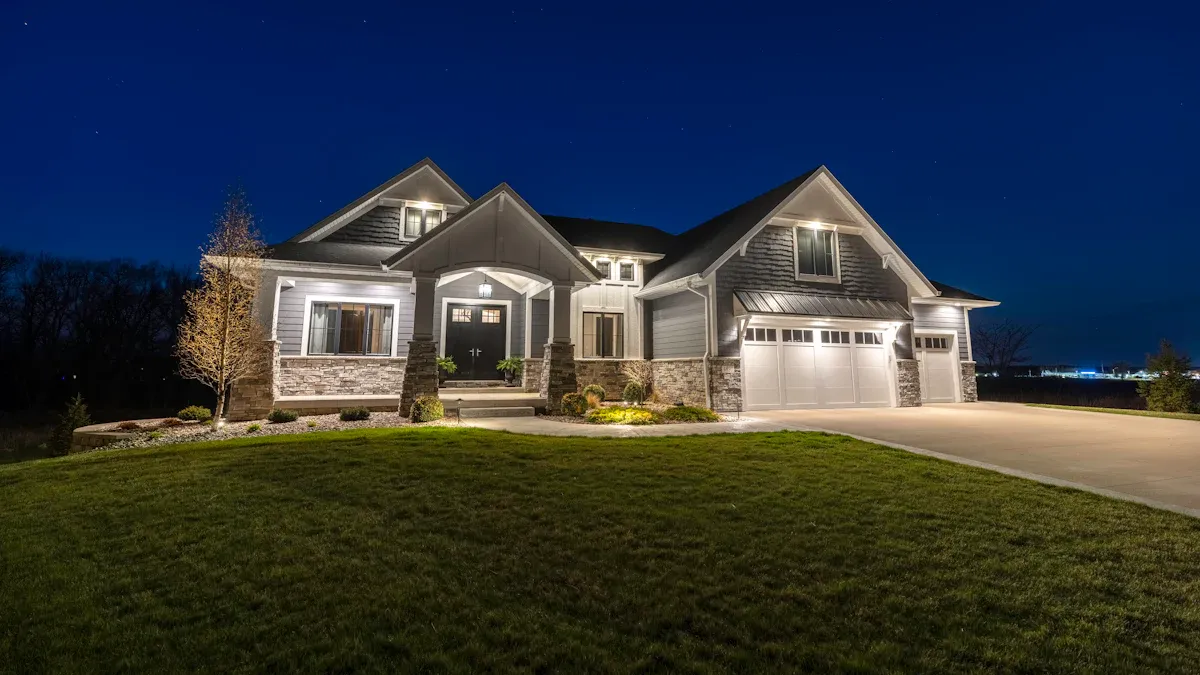
You want the best outdoor soffit lighting for your home—one that offers top energy efficiency, long lifespan, and fits your needs. Outdoor soffit lighting transforms your property by enhancing curb appeal, boosting security, and adding valuable functionality. Homeowner surveys show that proper lighting highlights architecture and landscaping while making walkways safer. The right choice depends on your budget, the look you prefer, and your home's specific requirements. Consider these recent stats:
Lighting Type |
Lifespan (hours) |
Energy Consumption Reduction |
LED Recessed Lights |
Up to 85% less than incandescent |
|
LED Strip Lights |
Significantly less than traditional |
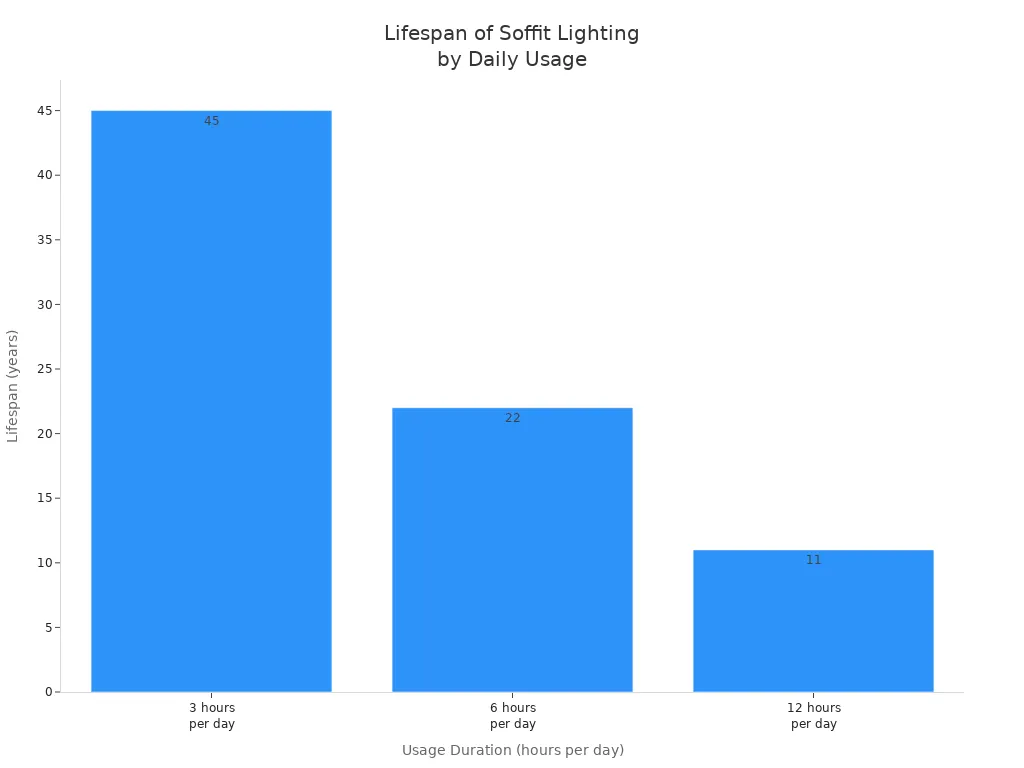
LED options deliver the highest efficiency and longest life, but placement and style matter for the best results.
Key Takeaways
Choose LED soffit lights for energy efficiency and long lifespan, saving money on electricity bills.
Strategic placement of soffit lights enhances safety and curb appeal, making your home more inviting.
Consider professional installation for complex lighting systems to ensure safety and optimal performance.
Regular maintenance, like cleaning and inspecting fixtures, extends the life of your soffit lighting.
Balance the number of fixtures to avoid clutter while achieving the desired lighting effect.
Outdoor Soffit Lighting Overview
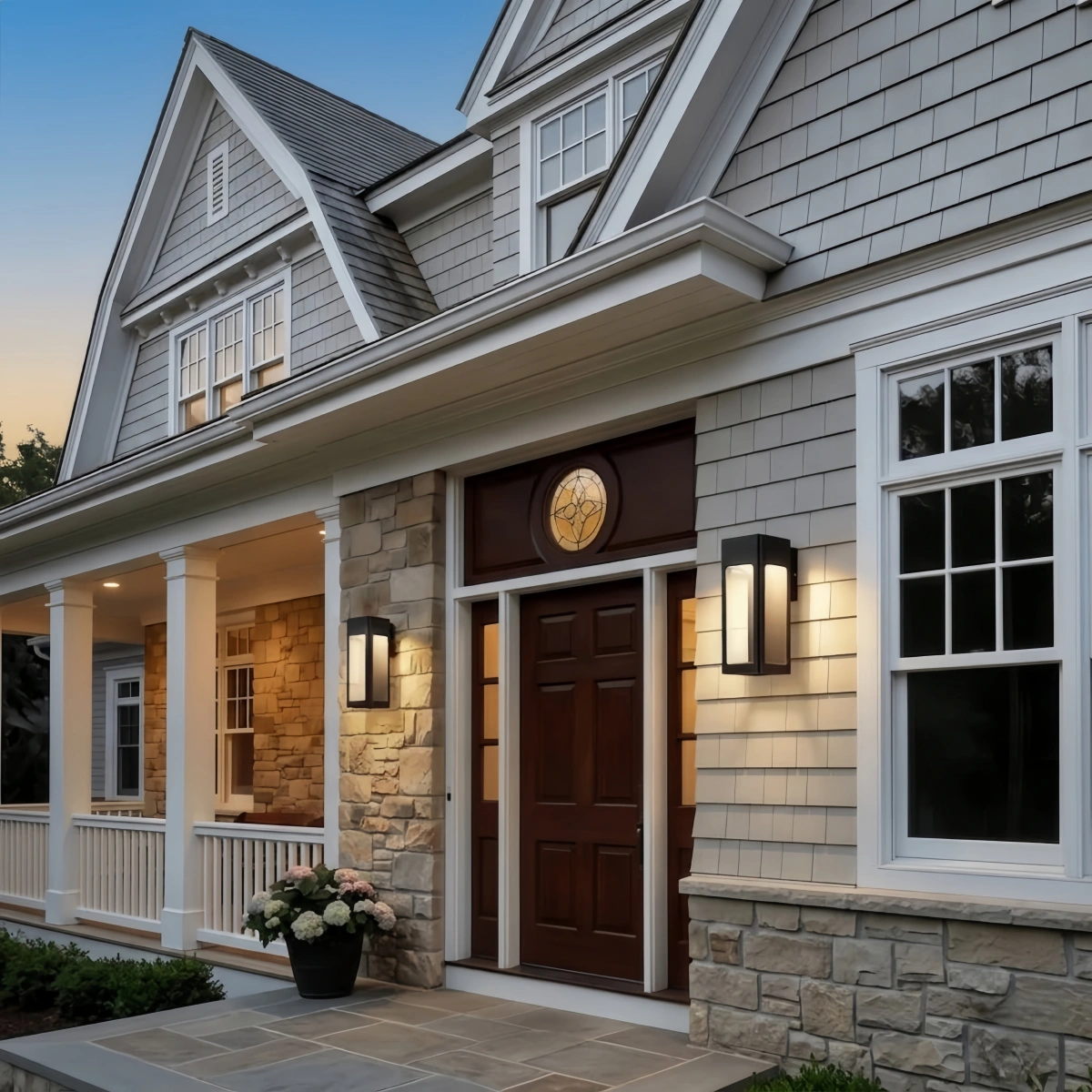
Image Source: LIGHTSLUX
What Are Soffit Lights
You may notice soffit lights as subtle fixtures installed in the eaves or soffits of your home. These lights sit flush with the surface, creating a clean and modern look. Most homeowners use soffit lights to shine downward, producing a soft glow that highlights the exterior without overwhelming brightness. This type of lighting blends style and function, making your home appear elegant and inviting.
Soffit lights come in several forms. The most common types include:
Flood lights for security and architectural emphasis.
Spot lights for targeted illumination.
Can lights that offer both style and function.
Step lights to improve safety on stairs.
Wall sconces for decorative appeal.
You can also choose between LED, halogen, and low voltage options. LED soffit lighting stands out for its energy efficiency and long lifespan, while halogen provides a warmer tone. Low voltage lighting works well for outdoor use and keeps electricity costs low.
Tip: Place soffit lights strategically to create uniform illumination and enhance both safety and curb appeal.
Benefits for Homeowners
Outdoor soffit lighting offers a range of benefits that go beyond simple illumination. You gain improved safety, as these lights provide extra nighttime visibility for walkways and driveways. Well-lit exteriors deter unwanted visitors and reduce dark corners where intruders might hide. You also enjoy enhanced curb appeal, as soffit lighting emphasizes architectural details and transforms your property into a stunning visual at night.
Soffit lighting creates depth and drama when paired with landscape lighting.
It increases property value by improving the overall look of your home.
These fixtures require little maintenance and deliver modern, reliable performance.
You can rely on soffit lights to blend beauty, safety, and function, especially in neighborhoods where exterior lighting makes a significant difference.
Types of Outdoor Soffit Lighting
Common Forms of Outdoor Soffit Lighting
Note: While soffit lights come in various shapes and sizes, choosing fixtures with built-in LED technology is universally recommended across all types. LEDs provide the highest energy efficiency, longest lifespan, and lowest maintenance requirements.
1.Recessed / Can Lights
Recessed soffit lights sit flush with the surface, creating a clean, unobtrusive, and modern appearance. These are ideal for general, foundational lighting. When equipped with LED bulbs, they provide even light distribution without the high energy costs or heat of traditional halogen can lights. You can install these fixtures in vinyl, wood, or sloped soffits. Outdoor-rated or wet-rated versions work best to withstand moisture.
Identify the type of recessed lights needed (ensure they are outdoor-rated).
Drill holes for fixtures if there is no existing housing.
Turn off the circuit breaker before installation.
Run electrical wiring from the power source to the lights.
2.Puck Lights
Puck lights serve as excellent accent fixtures that highlight architectural details and improve safety. Instead of sitting deep inside the soffit like recessed lights, they mount directly to the underside of the roof’s edge for a low-profile surface appearance. LED puck lights offer long-lasting performance and focused illumination, making them perfect for highlighting columns or specific wall textures without requiring large holes to be cut during installation.
3.Strip Lighting
Strip lighting gives you flexibility and creative control, perfect for outlining rooflines or creating a continuous glow. You can easily conform LED strips to curved or irregular soffit shapes. These fixtures provide a vibrant wash of light without harsh shadows. Some strips offer RGB color options for customizable hues, and installation is often simpler with peel-and-stick or clip-on designs.
Flexibility: Easily adapts to unique soffit shapes.
Vibrant Glow: Uniform lighting enhances curb appeal.
Color Options: Customizable hues for any occasion.
4.Spotlights & Floodlights
Spotlights and floodlights help you elevate your home’s aesthetic appeal and boost security. While spotlights cast a narrow, downward glow to highlight specific features like doorways or architectural pillars, floodlights provide a broader wash of light to illuminate driveways and yards. Modern LED spotlights save energy while offering powerful, year-round security lighting. Many can even be controlled via smartphone for seamless smart-home integration.
5.Permanent Holiday Lighting
Permanent holiday lighting offers year-round versatility. Installed in color-matched tracks that blend seamlessly with your home's exterior trim, these LED systems can be programmed for festive holiday displays, subtle everyday accent lighting, or bright security lighting. You can easily change colors and patterns via an app for different occasions.
Quick Form Factor Comparison
Feature |
Recessed/Can Lights |
Puck Lights |
Strip Lighting |
Spotlights/Floodlights |
Light Distribution |
Broad, even downlighting |
Focused, tight beam |
Continuous, uniform wash |
Directional / Wide coverage |
Best For |
General illumination |
Accenting specific features |
Creative setups, modern outlines |
Security and highlighting |
Installation |
Sits flush (requires hole cutting) |
Surface-mounted (low profile) |
Surface-mounted (flexible) |
Surface/Eave-mounted (adjustable) |
Comparing Soffit Lighting Options
Features & Benefits
When you compare outdoor soffit lighting options, you want to focus on features that deliver value and performance. Each type of soffit light offers unique advantages for your home’s exterior. You can use the table below to see how the main types stack up:
Type of Light |
Features and Benefits |
Recessed / Can Lights |
Discreet and efficient, providing general, even lighting that blends seamlessly with modern architecture. |
Puck Lights |
Low-profile and easy to install, perfect for casting focused accent lighting on architectural columns or walls. |
Spotlights & Floodlights |
Ideal for security and highlighting features, casting targeted (Spot) or wide (Flood) beams for high visibility. |
Strip Lighting |
Highly flexible for continuous, vibrant illumination, perfect for outlining decks or roof edges without shadows. |
Permanent Holiday Systems |
Customizable, energy-efficient track systems that create festive atmospheres and year-round accent lighting. |
You gain several benefits by choosing energy-efficient led technology for your soffit lights. These fixtures use less electricity, which lowers your utility bills and reduces your carbon footprint. Led lights also provide a long lifespan, so you spend less time and money on replacements. You can enjoy high-quality lighting solutions that brighten your home’s exterior and improve safety.
Professional placement of soffit lighting brings even more advantages. You get correct wiring and electrical safety, which ensures your system meets all standards. Seamless integration with your soffits and trim creates a polished look. You also benefit from longer-lasting results and access to warranties that protect your investment.
Tip: Choose led soffit lights for areas where you want reliable performance, low maintenance, and maximum energy savings.
Drawbacks
While soffit lighting offers many benefits, you should consider the potential drawbacks of each type before making a decision. The table below outlines some common challenges:
Type of Soffit Lighting |
Drawbacks |
Maintenance Challenges |
Recessed/Can Lights |
Requires precise hole cutting and wiring |
Difficult to access (requires ladders) if a fixture fails |
Spotlights/Puck Lights |
Protrudes from the surface; less seamless |
Needs periodic angle adjustments to prevent glare |
LED Strip Lighting |
Adhesive may degrade in extreme weather |
Replacing a single burnt-out section often requires replacing the whole strip |
Design Pitfalls to Avoid: Regardless of the fixture type you choose, avoid using harsh white lights (color temperatures above 4000K) as they create an uninviting, commercial atmosphere. Similarly, beware of excessive lighting—too many fixtures will make your home look cluttered and drive up energy consumption.
You may find that some soffit lights require more complex installation, especially if you need to run new wiring or cut into existing soffits. Spotlights often need careful adjustment to avoid glare or uneven coverage. If you choose harsh white lights, you risk creating a cold or unwelcoming look. Too many fixtures can make your exterior appear cluttered and drive up energy use.
Professional installation helps you avoid many of these issues. Experts ensure correct placement, which reduces the risk of maintenance problems and extends the life of your lighting system. You also gain peace of mind knowing your outdoor soffit lighting meets safety standards and looks great year-round.
Note: Always balance the number of fixtures with your desired effect. Less can be more when you want a clean, modern look.
Installation & Maintenance
DIY vs Professional
You face a choice when planning a soffit lighting upgrade. You can install some fixtures yourself or hire a professional. LED strips and puck lights offer user-friendly designs. You can handle these installations with basic tools and clear instructions. You save money and gain flexibility by doing the work yourself.
Professional installation suits recessed or directional lights. Electricians ensure safety and precision. They handle wiring and placement for optimal results. You avoid mistakes and protect your home from electrical hazards.
DIY works well for simple lighting systems.
Professionals deliver expertise for complex soffit upgrades.
You achieve a polished look and reliable performance with expert help.
Tip: If your lighting project involves new wiring or multiple fixtures, consult a licensed electrician. Safety should always come first.
Maintenance Tips
You keep your soffit lighting in top shape with regular maintenance. Clean fixtures every few months to remove dust and debris. Inspect connections and wiring for signs of wear. Replace damaged bulbs or strips promptly. You extend the life of your upgrade by checking for moisture or corrosion.
Use a soft cloth to clean lighting surfaces.
Test each fixture to confirm proper operation.
Look for loose screws or mounting brackets.
Note: Schedule an annual inspection for your soffit lighting system. You prevent costly repairs and maintain consistent brightness.
You enjoy lasting benefits when you follow these maintenance steps. Your lighting upgrade stays efficient and attractive. You create a safe and welcoming environment for your home.
Cost & Energy Efficiency
Upfront Costs
You need to consider the initial cost when planning your outdoor soffit lighting project. The cost of installing soffit lights depends on the type of fixture, the number of units, and the complexity of the installation. LED recessed lights usually have a higher upfront cost compared to traditional bulbs, but you gain advanced technology and longer life. Strip lighting and puck lights often cost less per fixture, making them a good choice for accent areas or smaller projects.
Here is a quick comparison of average upfront costs:
Lighting Type |
Average Cost per Fixture |
Installation Complexity |
LED Recessed Lights |
$40–$75 |
Moderate to High |
LED Strip Lighting |
$20–$50 (per meter) |
Low to Moderate |
Puck Lights |
$15–$35 |
Low |
Spotlights |
$30–$60 |
Moderate |
Permanent Holiday |
$22–$35 (per foot) |
High |
Tip: You can reduce your total cost by choosing fixtures that match your needs and by installing simple systems yourself.
Long-Term Savings
You benefit from significant long-term savings when you invest in energy-efficient led lighting. These fixtures use less electricity and last much longer than older options. Over time, you will notice reduced energy bills, which helps offset the initial cost. LED soffit lights require less maintenance and fewer replacements, so you save money and avoid hassle.
LED lighting can cut your energy use by up to 85%.
You will see lower maintenance costs due to longer lifespans.
Outdoor led fixtures withstand weather and require fewer repairs.
You make a smart investment when you choose efficient lighting for your home. The cost may seem higher at first, but the savings add up year after year.
Best Uses for Soffit Lights
Security Lighting
You can use soffit lights to make your home safer. When you install these fixtures under the eaves, you remove dark corners and shadows around your property. A well-lit exterior helps you monitor your surroundings after dark. You also discourage intruders by making it hard for them to hide. Security experts agree that bright, even lighting signals occupancy and reduces the risk of break-ins. If you combine soffit lights with cameras, you improve your ability to identify suspicious activity. Neighbors can also keep an eye on your property, which increases community safety.
Soffit lights eliminate hiding spots near doors and windows.
Bright exteriors make your home look occupied, even when you are away.
Lighting supports neighborhood watch efforts and helps deter crime.
Tip: Place soffit lights near entry points and along walkways for maximum security.
Accent Lighting
You can highlight your home’s best features with soffit lights. These fixtures add depth and drama to your exterior by drawing attention to unique architectural details. Many homeowners choose LED recessed lighting for energy efficiency and customizable tones. LED strips work well for creating a soft glow along rooflines or edges. Puck lights let you spotlight columns or textured walls. Directional spotlights give you control over where the light falls, creating striking effects.
LED recessed lighting offers a modern look and long life.
LED strips provide continuous, ambient light for a welcoming feel.
Puck lights and spotlights help you showcase landscaping or special features.
Accent lighting with soffit lights boosts curb appeal and can increase your property value.
Deck & Outdoor Spaces
You can transform your deck or patio with soffit lights. These fixtures create a comfortable space for relaxing or entertaining after sunset. When you install soffit lights above outdoor seating areas, you ensure safe movement and a pleasant atmosphere. Well-lit gardens and decks also reduce the chance of accidents by improving visibility. You can use puck lights for focused illumination on steps or railings. LED strips add a festive touch to gatherings and celebrations.
Soffit lights make outdoor spaces usable at night.
Even lighting helps prevent trips and falls.
You can enjoy your backyard year-round with the right soffit lighting.
Note: Choose weather-resistant soffit lights for outdoor installations to ensure durability.
Uplighting vs Downlighting
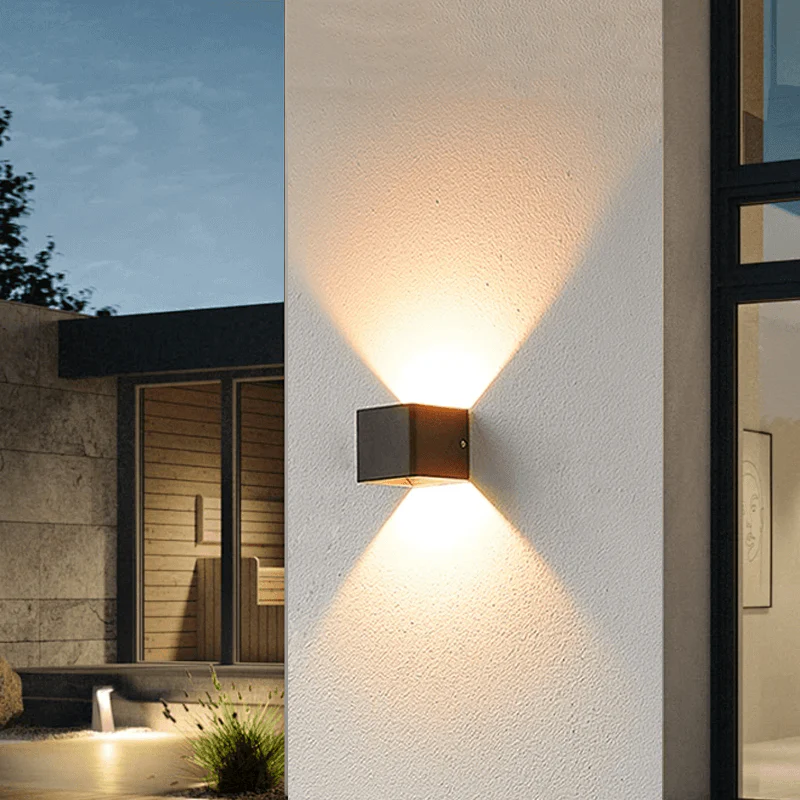
Image Source: LIGHTSLUX
While soffit lighting provides exceptional downlighting for security and architectural emphasis, achieving a truly dynamic landscape often requires a combination of lighting directions. Many homeowners wonder how their soffit installations compare to ground-level uplighting, and whether they need both. Here is how uplighting and downlighting differ and complement each other to transform your home's exterior.
Uplighting vs. Downlighting Techniques
To get the best results, it helps to understand how these two techniques achieve their effects:
Uplighting (Ground-Mounted): You use uplighting to highlight trees, sculptures, and textured walls. Creative placement and aiming from the ground lets you graze surfaces, reveal patterns, and create dramatic focal points. It provides a warm, inviting glow that draws attention to your home's best landscaping features.
Soffit Downlighting (Eave-Mounted): You install downlighting in soffits or under roof overhangs to cast a soft, downward glow. This technique minimizes harsh shadows, helps you strategically illuminate entry points and walkways, and deters intruders by providing balanced, general illumination that enhances the overall aesthetic appeal of your home.
The Ultimate Comparison: Soffit Downlighting vs. Uplighting
Note: This comparison assumes both options utilize energy-efficient LED technology, ensuring maximum longevity and minimal power consumption.
Aspect |
Soffit Downlighting (LED) |
Ground Uplighting (LED) |
Primary Application |
General illumination, security, and lighting perimeters. |
Highlighting landscape features and creating architectural drama. |
Aesthetics & Ambiance |
Clean, unobtrusive, and elegant (can appear industrial if cool white bulbs >4000K are used). |
Dramatic, eye-catching, and warm. |
High efficiency, but may require more fixtures to achieve full perimeter coverage. |
High efficiency, often uses fewer, highly targeted fixtures. |
|
Installation & Maintenance |
Higher initial labor cost; requires ladders or professionals for access and repairs. |
Easier ground-level access makes cleaning, adjusting, or expanding much simpler. |
Because both options utilize highly efficient LED technology, your energy bills will remain low regardless of your choice. The true difference lies in installation scale and accessibility.
Soffit lighting often involves a one-time, higher upfront installation cost for a seamless whole-perimeter look, and reaching the eaves requires a ladder for any future maintenance. Uplighting provides a flexible, ground-level alternative that is easier to adjust, clean, or expand over time, though high-end landscape fixtures can carry their own premium upfront costs.
If you want clean, general illumination and improved security, soffit lighting works well. For homeowners who want to showcase landscaping or architectural details, uplighting delivers striking results. Both options improve curb appeal, and many homeowners find that combining a few soffit downlights with targeted landscape uplighting creates the ultimate nighttime exterior.
You have many options for outdoor soffit lighting, but LED soffit lights stand out for energy efficiency, aesthetics, and security. Consider the table below to see why LEDs are a top choice:
Benefit |
Description |
Energy Efficiency |
LEDs consume less electricity, lowering bills. |
Aesthetics |
Many designs and colors enhance your outdoor space. |
Security |
Low heat emission and durability improve safety and reliability. |
To choose the best lighting for your soffit, follow these steps:
Assess placement and quantity based on darkness.
Select energy-saving features like timers.
Pick the right color temperature for your atmosphere.
Match style and size to your home’s architecture.
For expert results, you can:
Hire specialists for design and installation.
Get advice on the best lighting types for your needs.
Ensure compliance with codes and access to warranties.
FAQ
What is the ideal spacing for soffit lights?
You should space soffit lights 4 to 6 feet apart. This distance creates even illumination and avoids dark spots. Adjust spacing based on your roofline and the brightness of your chosen fixtures.
Can you install outdoor soffit lighting on any home exterior?
You can install outdoor soffit lighting on most exteriors, including wood, vinyl, and brick. Always check for proper mounting surfaces and ensure weatherproof fixtures for long-lasting results.
How do you choose the right color temperature?
You should select a color temperature that matches your home’s style. Warm white (2700K–3000K) creates a cozy feel. Cool white (4000K–5000K) offers a modern look and enhances security.
Does outdoor soffit lighting increase energy bills?
You will see minimal impact on energy bills if you use LED fixtures. These lights consume less power and last longer than traditional bulbs, making them a cost-effective choice for exterior lighting.
Aktie:
10 Creative Landscape Lighting Ideas for Modern Gardens
How to Hang Outdoor String Lights Without Sagging, Looking Cheap, or Creating Safety Problems