
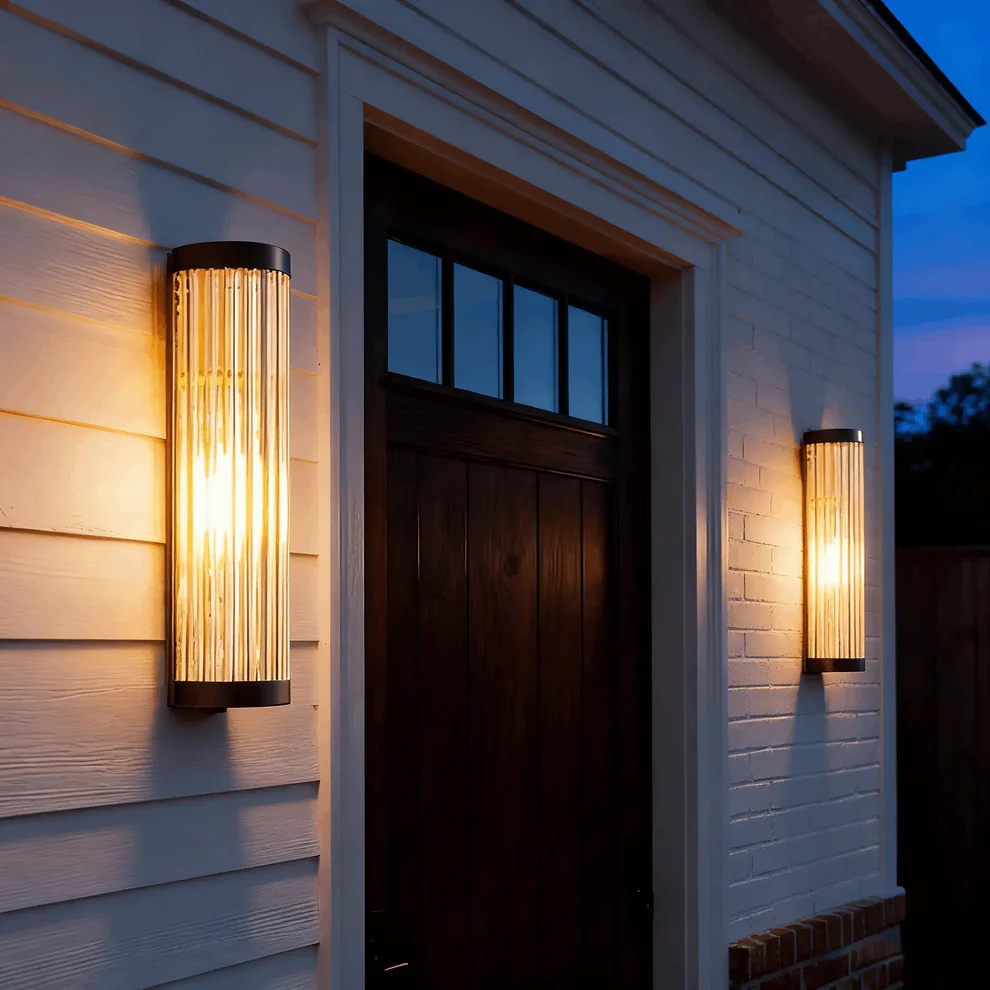
Image Source: LIGHTSLUX
You want porch lights that complement your home and enhance your outdoor space. Take a moment to evaluate the architectural details of your house. Look at the layout and size of your porch. Think about your personal style and how lighting can express it.
Consider both form and function. The right fixture adds beauty and improves security, creating a welcoming atmosphere for guests.
Key Takeaways
Choose porch lights that match your home's architecture for a cohesive look.
Consider energy-efficient options like LED bulbs to save money and reduce maintenance.
Evaluate the size and layout of your outdoor space to select the right lighting style.
Incorporate personal taste by selecting brightness and color temperature that create the desired ambiance.
Use motion-sensing lights for enhanced security and energy savings.
Porch Lights Comparison
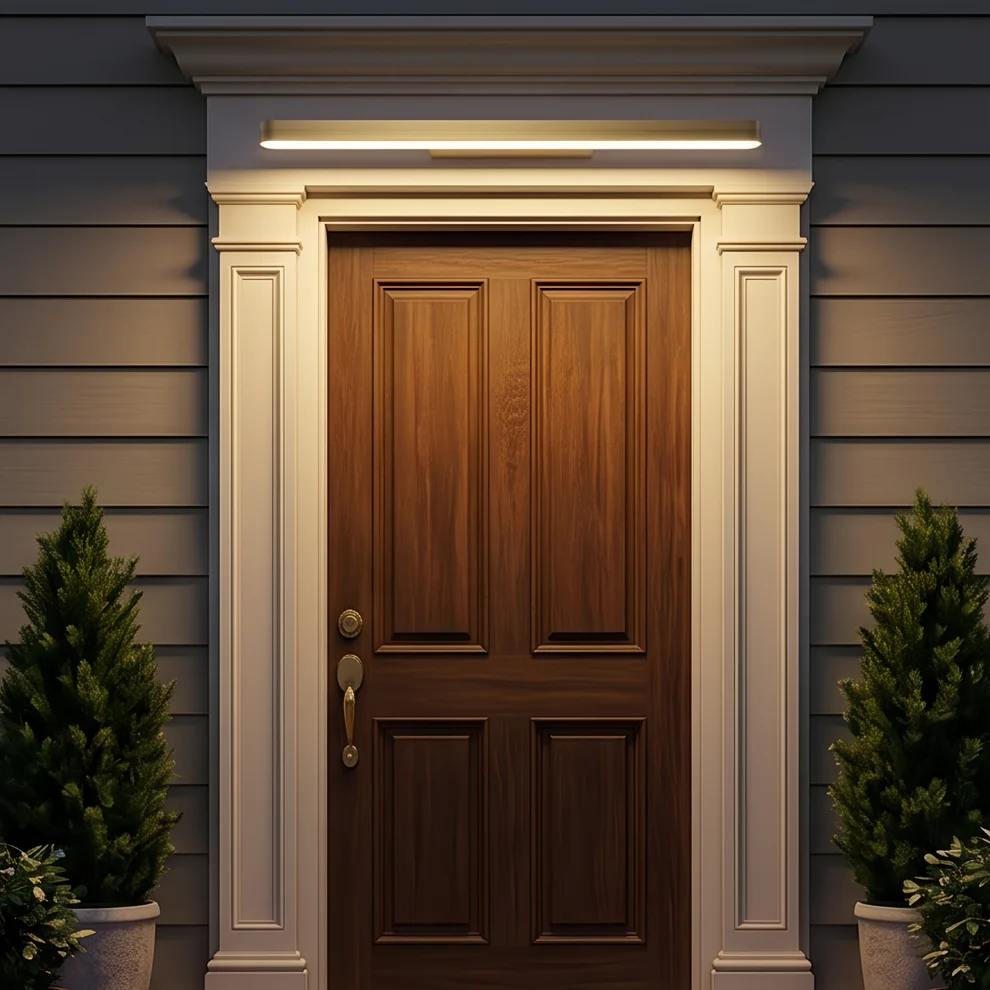
Image Source: LIGHTSLUX
Features Overview
You have many options when selecting porch lights for your home. The most popular styles include wall-mounted, hanging, flush-mount, lantern, post, flood, string, sconce, ceiling-mounted, and motion-sensing lights. Recent consumer trends show a strong preference for smart technology integration, energy-efficient solutions, and designs that match your home's architecture. Security-focused lighting also influences many choices.
Porch Light Type |
Best For |
Installation Complexity |
Smart Features |
Energy Efficiency |
Wall-Mounted |
Most homes |
Easy |
Optional |
High (LED) |
Hanging |
Covered porches |
Moderate |
Optional |
High (LED) |
Flush-Mount |
Low ceilings |
Easy |
Optional |
High (LED) |
Lantern |
Traditional homes |
Easy |
Optional |
High (LED) |
Post Lights |
Large yards |
Moderate |
Optional |
High (LED) |
Flood Lights |
Security, wide area |
Difficult |
Common |
High (LED) |
String Lights |
Ambiance, events |
Easy |
Optional |
High (LED) |
Sconce |
Decorative accents |
Easy |
Optional |
High (LED) |
Ceiling-Mounted |
Covered porches |
Moderate |
Optional |
High (LED) |
Pros and Cons
You need to weigh the advantages and disadvantages of each porch light style. Wall-mounted and lantern lights offer classic appeal and easy installation. Hanging and ceiling-mounted fixtures suit covered spaces and provide balanced illumination. Flood lights deliver strong security but often require professional installation, which increases costs. Lanterns usually have simpler installation, reducing labor expenses.
Motion-sensing porch lights enhance security and energy efficiency. You benefit from automatic lighting and smart technology integration. However, you may experience false alarms from pets or weather, and sensitivity issues can require adjustment. Some users report annoyance from sudden bright light activation, especially if not positioned carefully.
-
Pros of Motion-Sensing Lights:
Enhanced security for your home
Energy savings with lights only on when needed
Convenient smart features
-
Cons of Motion-Sensing Lights:
Sudden activation may disturb neighbors
Outdoor lighting choices depend on your needs and preferences. You should consider installation complexity, energy efficiency, and how each style fits your home's design.
Porch Light Types Explained
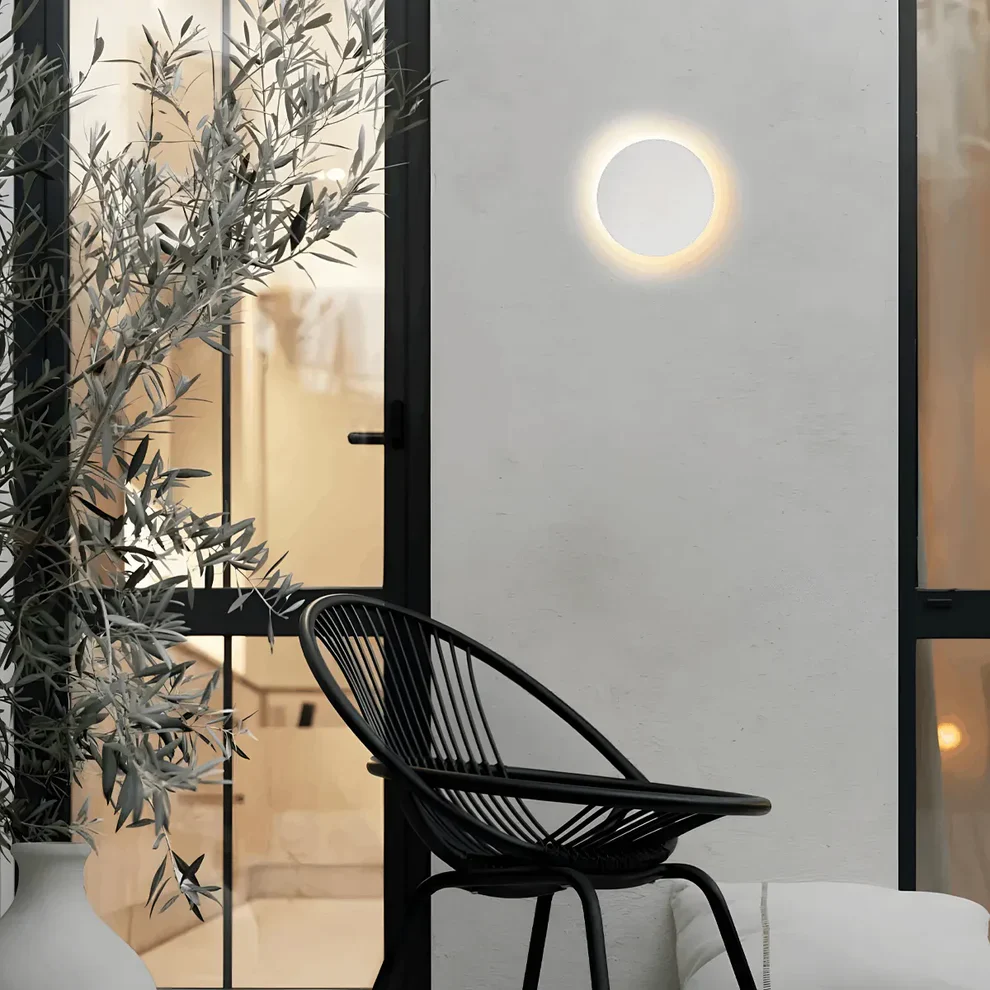
Image Source: LIGHTSLUX
Wall-Mounted
Wall-mounted porch lights attach directly to exterior walls. You find these fixtures in a range of styles, from classic lanterns to sleek, modern rectangles.
Traditional homes benefit from lantern-style fixtures.
Modern homes look best with minimalist designs.
Installation is straightforward, making them a popular choice for most entryways. Wall-mounted lights provide focused illumination near doors and walkways.
Hanging
Hanging porch lights suspend from the ceiling, adding elegance to covered porches. For best results, install them 7–8 feet above the floor and 6–10 inches from the doorframe. This height prevents glare and ensures faces remain well-lit.
Aspect |
Recommendation |
Ideal height for lights |
7-8 ft above floor |
Purpose |
Prevents glare while illuminating faces |
Additional note |
Install 6-10" from doorframe to avoid crowding |
You create a welcoming focal point with hanging fixtures, especially in spaces with high ceilings.
Flush-Mount
Flush-mount porch lights sit close to the ceiling, making them ideal for low-clearance areas. Always select fixtures rated for outdoor lighting to withstand rain, snow, and sun exposure. These lights offer even illumination and reduce shadows, improving safety.
Lantern
Lantern porch lights evoke a timeless look. You can choose from materials like aluminum, brass, stainless steel, and powder-coated finishes.
Aluminum works well in many climates.
Brass resists rust and develops a patina.
Stainless steel offers a modern touch and resists corrosion.
Powder-coated finishes prevent peeling and fading.
Lanterns suit both traditional and transitional homes, providing a warm, inviting glow.
Post Lights
Post lights stand independently, often lining walkways or driveways. You use them to define large yards or garden paths. Installation requires setting a sturdy base, but the result is dramatic and functional.
Flood Lights
Flood lights deliver broad, powerful beams. You maximize security by illuminating large areas. A New York City study found that enhanced outdoor lighting led to a 39% decrease in nighttime crime rates. Flood lights often feature motion sensors and LED bulbs for energy savings.
String Lights
String lights add ambiance to porches and patios. You drape them overhead or along railings for a festive look. Opting for LED string lights provides the same festive glow while operating at a fraction of the cost of incandescent options.
Sconce
Sconce porch lights mount to walls and serve as decorative accents. In 2024, you see trends like smart LED integration, remote control, and customizable schedules. Sconces highlight architectural features and boost curb appeal.
Ceiling-Mounted
Ceiling-mounted porch lights provide bright, even coverage for entryways. You ensure safety by reducing dark spots and preventing accidents. Aim for 800–1200 lumens to achieve the right balance of brightness and ambiance.
Key Feature Upgrade: Motion-Sensing Technology
Motion-sensing is not a specific physical style, but a crucial feature that can be integrated into wall-mounted, flood, or ceiling fixtures. Motion-sensing technology activates your porch lights only when it detects movement. Modern options use passive infrared or microwave sensors for improved reliability. You can control these smart features remotely, set schedules, and adjust sensitivity for convenience and enhanced security without wasting energy.
Sensor Type |
Description |
Advantages |
Passive Infrared |
Detects body heat from living beings, triggering the light on temperature change. |
Energy-efficient, ideal for larger movements. |
Microwave |
Emits an electromagnetic field that activates the light when disrupted. |
Covers wider areas, detects smaller movements. |
Choosing Porch Lights
Match to Architecture
You should always match your porch lights to your home’s architecture for a cohesive look.
Select fixtures that complement the style of your house, whether modern, traditional, or transitional.
Choose lights that are proportional to your entryway and avoid fixtures that are too small or too large.
Integrate colors and materials that blend with your home’s palette and exterior finishes.
Place lights strategically to highlight architectural features and create a welcoming entry.
Tip: Walk through well-kept neighborhoods for inspiration on fixture styles and placements that enhance curb appeal.
Contemporary vs. Traditional Styles
To better match your home's architecture, it helps to understand the key differences between the two main design categories. Modern porch lights feature clean lines, neutral finishes, and smart technology. Traditional styles use curved shapes, warm finishes, and classic details.
Feature Type |
Modern Porch Lights |
Traditional Porch Lights |
Design |
Clean, geometric lines |
Curved shapes and decorative elements |
Finishes |
Neutral or metallic (matte black, brushed steel) |
Warm finishes (bronze, brass, or gold) |
Technology |
Integration with smart technology (app or voice control) |
Typically wired systems |
Energy Efficiency |
Focus on energy efficiency (LED, solar) |
Generally less energy-efficient |
Aesthetic Appeal |
Minimalist and sleek |
Ornate and classic |
You select the style that best fits your home's character and your personal taste.
Outdoor Space Needs
The size and layout of your porch or yard play a major role in your lighting choices.
Compact fixtures work best for small porches, providing enough light without overwhelming the space.
Larger porches or expansive yards benefit from substantial lighting elements like post lights or flood lights.
Mount lights at the right height to ensure safety and balanced illumination.
Always consider the proportion of the fixture to the installation area for both function and style.
Personal Taste
Your preferences matter when selecting porch lights.
Decide on the brightness and color temperature that suits your taste. Many homeowners prefer warm white light for comfort. As an added bonus, choosing warm LED bulbs or yellow-toned lights can significantly reduce the number of insects attracted to your porch, keeping your entryway clean.
Dimmable fixtures offer flexibility for different occasions.
Use shields or lower wattages for softer, more inviting illumination.
Porch lights can serve as decorative focal points, boosting your home’s value and creating a welcoming atmosphere.
Energy Efficiency
You can save money and reduce maintenance by choosing energy-efficient lighting.
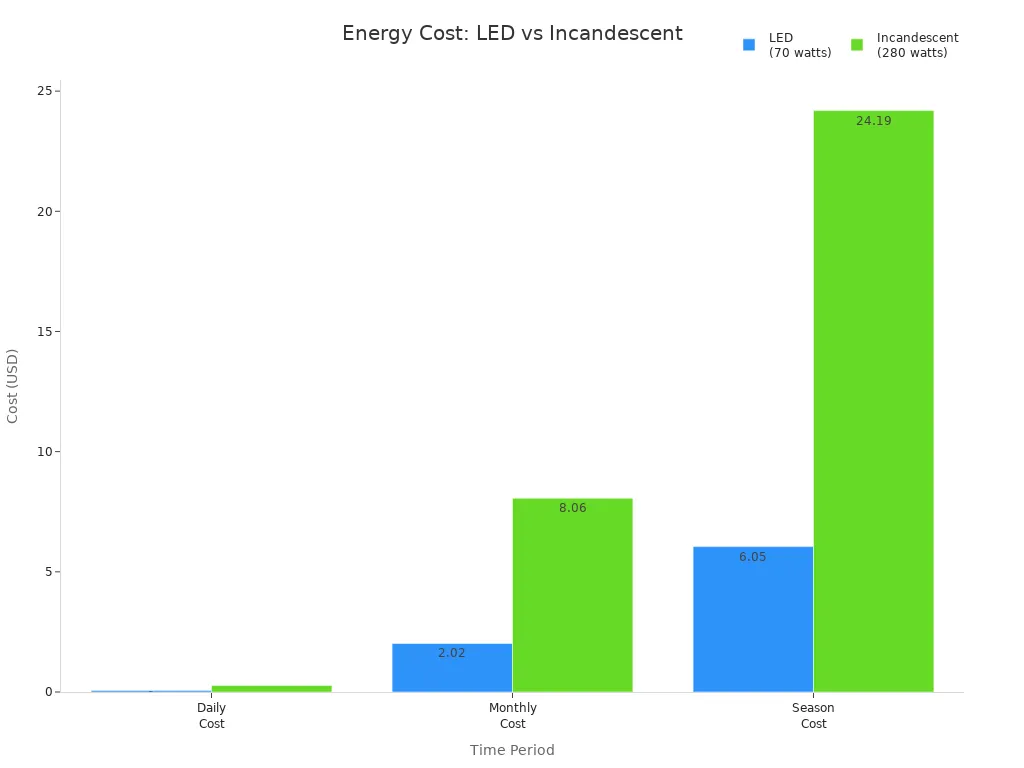
Opt for led bulbs over traditional incandescent options. LED bulbs last up to 25,000 hours compared to the 1,000-hour average of incandescents, drastically reducing replacement frequency.
The energy savings are also significant. Here is a cost comparison (based on string light wattage equivalents):
Light Type |
Daily Cost |
Monthly Cost |
Season Cost |
LED (70 watts) |
$0.07 |
$2.02 |
$6.05 |
Incandescent (280 watts) |
$0.27 |
$8.06 |
$24.19 |
$0.20 |
$6.04 |
$18.14 |
Consider solar-powered led outdoor lighting for areas with direct sunlight, further lowering your energy costs.
Look for fixtures with weather-resistant features like IP65/IP67 waterproof ratings, UV-resistant materials, and anti-corrosion finishes. These qualities ensure your lights withstand harsh conditions and require fewer replacements.
Investing in durable, energy-efficient lighting means fewer repairs and long-term savings for your home.
You can confidently select porch lights that match your home’s architecture and outdoor needs. Consider a step-by-step approach:
Define your primary goal: security, ambiance, or both.
Choose fixtures that complement your porch size and style.
Explore energy-efficient options like LED lights.
Avoid common mistakes, such as relying on one light type or incorrect placement.
Style |
Functional Benefit |
Use Case |
Wall-mounted sconces |
Small porches |
|
Post lights |
Functional and aesthetic appeal |
Decks, patios |
Flood Lights |
Maximizes security and broad illumination |
Large yards, driveways, and security zones |
Porch lighting enhances safety, creates ambiance, and boosts curb appeal. Select fixtures that reflect your taste and elevate your home’s value.
FAQ
What porch light color keeps insects away?
You should choose yellow or warm LED bulbs. These colors attract fewer insects than cool white or blue lights. Insects see ultraviolet and blue wavelengths best. Warm tones help reduce the number of insects gathering around your porch.
How do I prevent insects from gathering around my porch lights?
Install lights with sealed fixtures to block insects from entering. Use LED bulbs that emit less heat. Place lights away from doors to keep insects from following the light inside. Regularly clean fixtures to remove insects and debris.
Are certain porch light styles better for minimizing insects?
Yes. Flush-mount and enclosed wall-mounted fixtures help keep insects out. Hanging and open lantern styles may attract more insects. Choose fixtures with tight seals and downward-facing designs to limit insects’ access and reduce their attraction.
Do motion-sensing lights help with insects?
Motion-sensing lights stay off until triggered. This reduces the time insects have to gather around the light. You benefit from fewer insects near your entryway. Motion-sensing lights also save energy and improve security.
Can I use bug-repellent bulbs to keep insects away from my porch?
You can use bulbs labeled as bug-repellent. These bulbs emit light at wavelengths less visible to insects. They help reduce the number of insects attracted to your porch. Combine these bulbs with sealed fixtures for the best results.
Aktie:
Wie erhellen Solarlampen Ihre Nächte mit sauberer Energie
10 Creative Landscape Lighting Ideas for Modern Gardens