
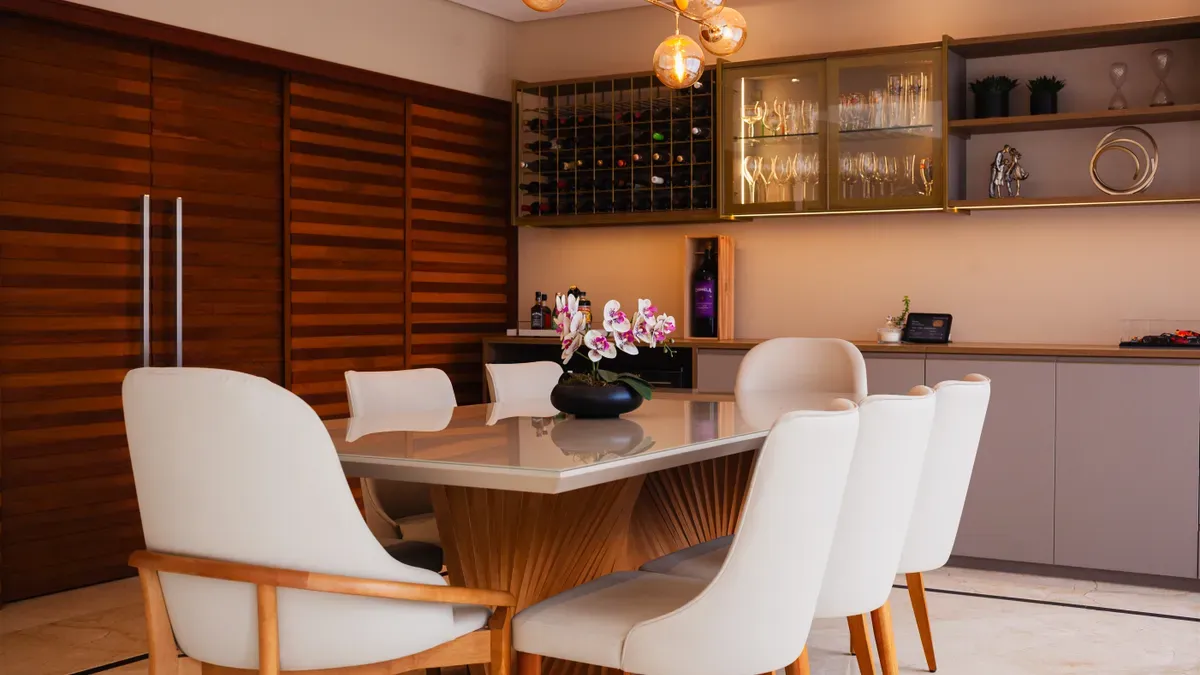
Which should you pick for your dining room—chandeliers or pendant lights? The answer depends on your space, your style, and what you want from your dinning room lights. Maybe you love a bold statement piece or prefer something simple that blends with your decor. Think about how you use your dining room and what matters most to you. Your choice can change the whole vibe of the room!
Key Takeaways
Think about your dining room’s look and use when picking between chandeliers and pendant lights. The light you pick can change how the room feels a lot.
Chandeliers stand out and grab attention. Pendant lights are easy to move and come in many styles. Pick what fits your space and what you like best.
Look at how high your ceiling is and how big the room is. Chandeliers are good for big rooms. Pendant lights can go in many types of spaces.
Use more than one kind of light for a warm feel. You can mix chandeliers with pendant lights or wall sconces to make the room feel nice.
Always check your table and ceiling height before you buy. This helps your light fit well and look good.
Dinning Room Lights Comparison
Chandeliers vs. Pendant Lights
When you walk into a dining room, the first thing you notice is often the lights. You might see a big chandelier hanging over the table, or maybe a row of pendant lights. Both options can look amazing, but they work in different ways. Let’s break down the main features so you can see which one fits your space and style.
Here’s a quick table to help you compare:
Feature |
Chandeliers |
Pendant Lights |
|---|---|---|
Design |
Central focal point, often dramatic |
Flexible, great for long tables or modern looks |
Installation |
Usually more complex, may need extra support |
Easier to install, can hang at different heights |
Lighting Effect |
Creates a dramatic ambiance |
Gives focused light, easy to adjust for your needs |
Key Differences
Chandeliers make a bold statement. They grab attention and set the mood for your dining room.
Pendant lights give you more flexibility. You can hang one, two, or even a group, depending on your table size and layout.
If you want a classic, elegant look, a chandelier might be your best bet. For a modern or casual vibe, pendant lights offer lots of creative lighting ideas.
Chandeliers often need more work to install, while pendant lights are usually simpler and quicker to put up.
Think about your ceiling height. Chandeliers look best in rooms with higher ceilings, but pendant lights can work in almost any space.
Tip: The right dining room lights can change the whole feel of your dining area. Try to match your lighting to your room’s design and how you use the space.
When you choose between a chandelier and pendant lights, you’re really picking the centerpiece for your dining room lighting. Both can look beautiful, but the best choice depends on your style, your needs, and the atmosphere you want to create.
Style and Aesthetics
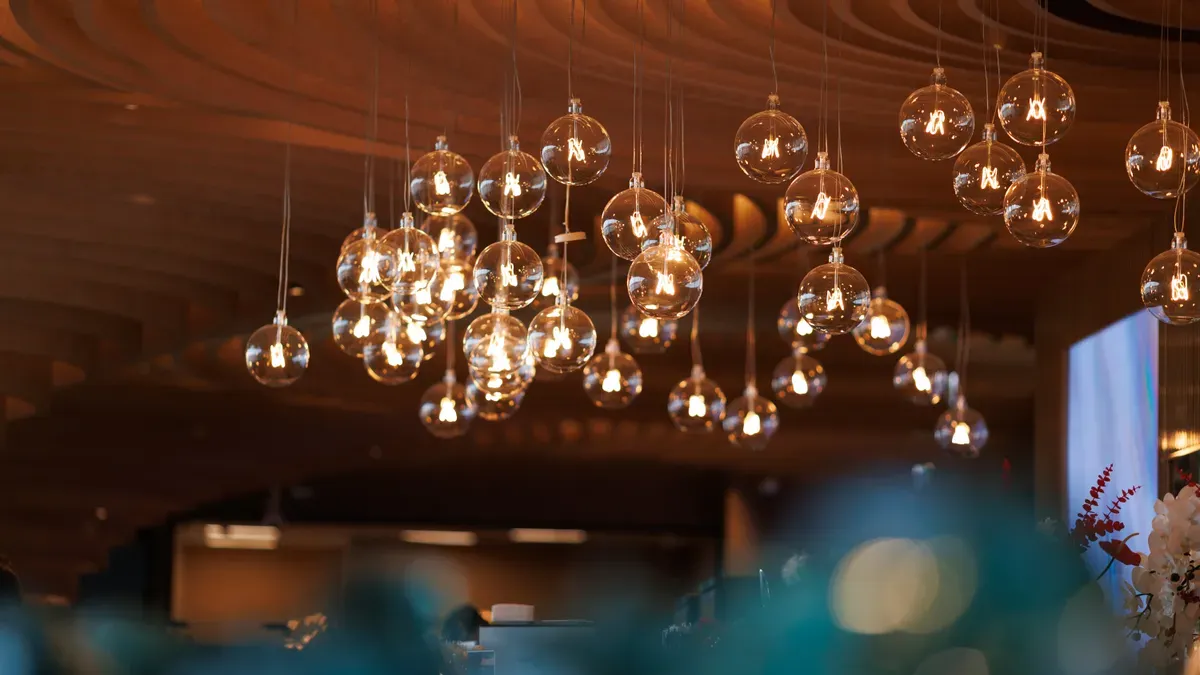
Matching Your Decor
You want your dining room lights to match your space and show your style. Think about the colors, furniture, and feeling in your dining room. If your room looks classic, a chandelier can make it look fancy. For a modern room, pendant lights add a new look. You can mix different shapes and finishes for your lights. This helps you make cool lighting ideas. Many designers say to use layers of lighting. Try using ceiling lights with wall sconces or lamps. This makes your dining room feel cozy and friendly.
Tip: Look at your dining room from many spots. Picture how the lights will look at dinner or when friends visit.
Chandelier Styles
Chandeliers come in many shapes and sizes. You can find crystal chandeliers for a fancy look or metal ones for a modern style. Some chandeliers have bulbs that look like candles. Others use smooth glass or cool shapes. Experts say chandeliers are the main focus and add beauty to your dining room. Most homeowners think chandeliers make rooms look better. Designers say chandeliers are best for high ceilings. You can pick a chandelier that fits your dining room and makes it feel special.
Light Type |
Impact on Aesthetic |
Homeowner Preference |
Designer Recommendation |
|---|---|---|---|
Chandeliers |
Serve as a focal point, adding elegance and luxury |
45% recommend for high ceilings |
|
Pendant Lights |
Versatile, ideal for task lighting and accentuating areas |
35% prefer for versatility |
N/A |
Pendant Light Styles
Pendant lights give you many choices. You can hang one pendant over a small table. You can also use a few for a long table. Pendant lights come in glass, metal, or woven styles. You can choose bright colors or simple shapes. Pendant lights are great for modern rooms and let you try new lighting ideas. Over time, dining room lighting has become more flexible. Modern styles use smooth lines and nice materials. Pendant lights help you light up certain spots and add style. You can use pendant lights for tasks or to make the room feel cozy.
Room Size and Ceiling Height
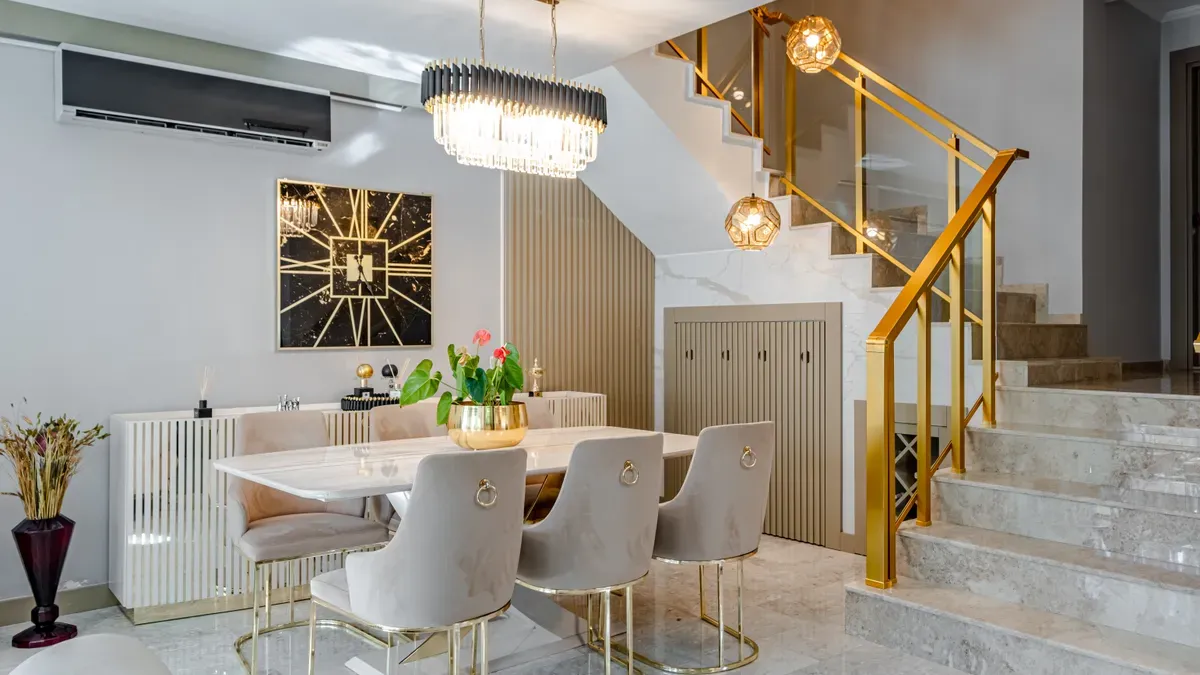
Small Dining Rooms
If you have a small dining room, you want your lights to fit just right. Big fixtures can make the space feel crowded. You should look for smaller chandeliers or pendant lights that match the size of your room and table. Here’s a quick guide to help you pick the right size:
Room Size |
Dimensions |
|
|---|---|---|
Small Room |
10 × 10 ft |
17 – 20 inches |
Small–Medium |
12 × 12 ft |
22 – 26 inches |
A small chandelier or a single pendant light can give your dining area a cozy feel. Try to keep the bottom of your fixture about 30 to 34 inches above the table. This helps you get enough light without blocking anyone’s view.
Large Dining Rooms
Large dining rooms give you more freedom with your lighting ideas. You can choose a bigger chandelier or hang several pendant lights in a row. This makes your space look grand and bright. When you pick a large fixture, make sure it matches the size of your table and room. A big light can become the main design feature in your dining room. You can also layer your dining room lighting by adding wall sconces or floor lamps for extra style.
Low vs. High Ceilings
Ceiling height changes how your lights look and work. For standard 8-foot ceilings, you want a chandelier that is less than 15 inches tall. Pendant lights work well because you can adjust their height. Here are some tips for hanging your lights:
Keep the bottom of your chandelier or pendant light 30 to 36 inches above the table.
For each foot of ceiling height above 8 feet, raise your fixture by about 3 inches.
In rooms with high ceilings, you can use larger fixtures, but make sure they fit the space.
Tip: Always check the height and size of your lights before you buy. The right fit makes your dining room feel balanced and welcoming.
Choosing the right dinning room lights depends on your room size, ceiling height, and the style you love. With the right lighting, your dining space will look amazing and feel just right for every meal.
Lighting Functionality
Light Quality
When you pick dinning room lights, you want the right light quality for every meal. Both chandeliers and pendant lights can give you great lighting, but they do it in different ways. Chandeliers often spread light across the whole dining room, making everything feel warm and welcoming. Pendant lights can focus light on your table, which is perfect for homework or reading a menu. You can also use both together for a layered lighting design that feels cozy and bright.
Here’s a quick look at how each light fixture works for different lighting ideas:
Chandeliers |
Pendant Lights |
|
|---|---|---|
Ambient |
Yes |
Yes |
Task |
No |
Yes (depending on placement) |
Accent |
Yes |
Yes |
Direction and Coverage
You want your dining room lighting to cover the whole space, not just one spot. Chandeliers usually shine light in all directions, filling the room with a soft glow. Pendant lights can point light right where you need it, like on your dining table or a piece of art. If you have a long table, you might hang several pendant lights in a row for even coverage. This gives you more control over the look and feel of your dining area.
Tip: Try layering your lights. Use a chandelier for style and add pendant lights for extra brightness or to highlight special spots.
Adjustability
Adjustability matters when you want to set the mood. Dimmers let you change the brightness of your lights for dinner parties or quiet nights. Many chandeliers work well with dimmers, so you can make the room bright or soft. Pendant lights also work with dimmers, and you can often adjust their height to fit your space. Smart lighting features make it easy to control your lights with a phone or voice command. This adds a modern touch to your dining room and makes every meal feel special.
Note: Mixing different types of lighting gives you more options and helps you create the perfect atmosphere for any occasion.
Installation and Maintenance
Installation Steps
You want your dining room lights to look great and work safely. Installing a chandelier usually takes more time and effort. You might need extra support in the ceiling because chandeliers can be heavy. Pendant lights are lighter and easier to hang. You can often install them yourself if you follow the instructions.
Here’s a quick checklist for both:
Turn off the power at the breaker.
Check the ceiling for strong support.
Attach the mounting bracket.
Connect the wires.
Secure the fixture.
Test the light.
Tip: If you feel unsure, call a licensed electrician. Safety matters more than speed.
Cleaning Tips
You want your lights to shine bright. Dust and dirt can make them look dull. Chandeliers need more cleaning because they have many parts. You can use a soft cloth or a feather duster. For crystal chandeliers, use a gentle cleaner and wipe each piece. Pendant lights are easier to clean. You can wipe the shade and bulb with a damp cloth.
Fixture Type |
Cleaning Frequency |
Tools Needed |
|---|---|---|
Chandelier |
Every 2–3 months |
Soft cloth, duster |
Pendant Light |
Every 1–2 months |
Damp cloth, cleaner |
Note: Always turn off the light and let bulbs cool before cleaning.
Long-Term Care
You want your lights to last for years. Check the fixture for loose parts once a year. Replace bulbs when they burn out. For chandeliers, tighten screws and check for rust. Pendant lights need less care, but you should check the cord and shade. If you see damage, fix it right away.
Callout: Regular care keeps your dining room lights safe and beautiful. You save money and avoid big repairs.
Budget for Dinning Room Lights
Purchase Costs
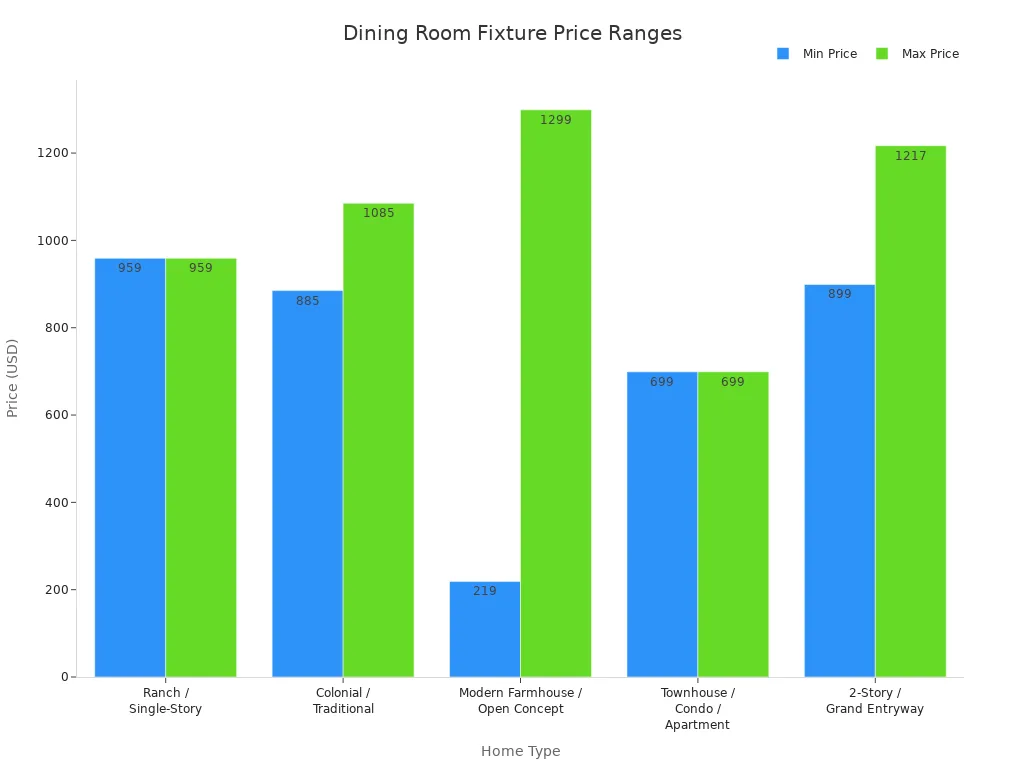
When you look for new dining room lights, prices can be very different. Some chandeliers cost more because they use fancy materials or have a bold look. Pendant lights are usually cheaper, but some designer ones can cost as much as a chandelier. Here’s a table that shows what you might pay for different lights:
Home Type |
Recommended Fixture(s) |
Starting Price |
Key Feature |
|---|---|---|---|
Ranch / Single-Story |
Half-Ring Chandelier |
$959 |
Low-profile arc design for 8ft ceilings |
Colonial / Traditional |
Crystal LED Chandelier + Crystal Sphere |
$885–$1,085 |
Coordinated crystal pair for dining + foyer |
Modern Farmhouse / Open Concept |
Pebbles Pendant + Textured Glass + Opal Globe |
$219–$1,299 |
3-zone lighting for connected spaces |
Townhouse / Condo / Apartment |
Opal Glass 5-Light Round |
$699 |
19.6" compact diameter, glare-free opal glass |
2-Story / Grand Entryway |
Multi-Arm Opal + Acrylic Orbs |
$899–$1,217 |
Long adjustable cables for 16–20ft+ ceilings |
Tip: If you want your lights to look special, you might pay more for custom designs or cool finishes.
Installation Expenses
You should think about installation when planning your budget. Chandeliers usually cost more to put in than pendant lights. They are heavier and have more parts, so you may need a professional. Pendant lights are lighter and easier to hang. You might save money if you do it yourself or hire someone for a quick job.
Maintenance Costs
To keep your dining room lights looking nice, you need to think about care over time. Chandeliers have more bulbs and need more cleaning. Pendant lights are easier to take care of. Here’s a table to help you compare:
Feature |
Chandeliers |
Pendant Lights |
|---|---|---|
Initial Cost |
Typically more expensive |
Generally less expensive |
Number of Bulbs |
Generally have more bulbs |
Fewer bulbs |
Maintenance Frequency |
More tedious due to multiple bulbs |
Less frequent maintenance |
Energy Efficiency |
Depends on bulb type; LEDs save more |
Varies, but often more efficient |
Lifespan of Bulbs |
Shorter lifespan if using incandescents |
Longer lifespan with LEDs |
Note: Picking energy-saving bulbs and strong fixtures can help you save money later.
If you want to help the planet, choose lights and bulbs that last a long time.
Using energy-saving lights lowers your bills and makes less trash.
Lights made from recycled stuff use fewer new resources.
Good quality lights last longer, so you don’t have to replace them often.
Choosing the Right Light
Checklist
You want your dining room to feel just right, so picking the perfect light fixture matters. Before you decide between a chandelier or a pendant, use this checklist to make sure you cover all the important points. This way, you avoid common mistakes and get the best results for your space.
Factor |
When to Care About It |
When Not to Overthink It |
|---|---|---|
CCT Range & Tunability |
If you spend a lot of time in the room, like family dinners or game nights, choose a fixture with adjustable color temperature. |
For quick meals or rooms you rarely use, a fixed warm white works fine. |
CRI (Color Rendering Index) |
If you want your food and decor to look their best, pick a fixture with a high CRI. |
In spaces where color doesn’t matter much, you can go with a standard CRI. |
Dimming Protocol |
If you want to set the mood for different occasions, look for dimmable options. |
If you only need one brightness, you don’t need to worry about dimming. |
Material & Finish Authenticity |
If your light fixture is a statement fixture at eye level, choose quality materials and finishes. |
For hidden or secondary lights, you can be less picky. |
You also want to avoid these common challenges:
Challenge |
Description |
|---|---|
Small Spaces |
Oversized fixtures can crowd a small dining area, while tiny ones get lost. |
Coordinating Fixtures |
Try to match your dining room lighting with nearby rooms, but don’t make them identical. |
Open Floor Plans |
One light fixture won’t cover a big open space. Layer your lighting for balance. |
Tip: Always measure your table and ceiling height before you shop. This helps you pick the right size and style for your dining room.
Decision Flowchart
Still not sure if you should go with a chandelier or a pendant light? Use this simple flowchart to help you decide. Just answer each question and see where you land!
-
Do you want your light fixture to be the main focus of your dining room?
Yes: Go for a chandelier or multi-armed chandeliers. These work great as a statement fixture and add elegance to traditional dining room lighting.
No: Try pendant lamps or a row of pendant lights for a modern look.
-
Is your ceiling high (over 9 feet)?
Yes: You can use large chandeliers or bold pendant lighting ideas.
No: Choose low-profile pendant light fixtures or smaller chandeliers.
-
Do you want to change the mood for different occasions?
Yes: Pick a fixture with dimming features. Dimmable lights let you go from bright for meals to soft for relaxing.
No: Fixed-brightness fixtures work fine for everyday dining.
-
Do you want to highlight your table or create even lighting across the room?
Table: Pendant lamps or a single pendant light focus light right where you need it.
Whole Room: Chandeliers or layered lighting design spread light evenly.
-
Do you care about how food and people look under the light?
Yes: Choose warm white bulbs (2700K to 3000K). These make skin tones and food look great.
No: Any standard bulb will do.
Note: The best dining room lighting fits your style, matches your design, and works for your daily life. Don’t be afraid to mix and match for a unique look.
If you follow this checklist and flowchart, you’ll find the right light fixture for your dining room. Whether you love the sparkle of a chandelier or the clean lines of pendant lamps, you can create a space that feels welcoming and looks amazing. Try new lighting ideas and see how much your dining room changes with the right choice!
You have learned that chandeliers and pendant lights both add something nice to your dining room. Chandeliers stand out and make the room look fancy. Pendant lights are easy to use and look modern. What you like, how much you want to spend, and your style are important. You might want a chandelier to be the main light. Or you may like using different lights together to make the room feel warm. Choose the light that works best for your room and makes you smile. Do you have a favorite? Tell us what you picked or ask us anything below!
FAQ
How do I choose the right size light for my dining table?
Measure your table. Pick a fixture that is about half to two-thirds the width of your table. For round tables, use a round light. For long tables, try a row of pendants.
Can I mix chandeliers and pendant lights in one room?
Yes, you can! Use a chandelier as the main light. Add pendant lights for extra style or to highlight a buffet. Mixing lights gives your dining room a layered look.
What bulbs work best for dining room lights?
Choose warm white LED bulbs (2700K–3000K). These make food and people look great. LEDs save energy and last longer than old bulbs.
Bulb Type |
Color Temp |
Lifespan |
Energy Use |
|---|---|---|---|
LED |
2700K–3000K |
10+ years |
Low |
Incandescent |
2700K |
1 year |
High |
How high should I hang my dining room light?
Hang your light so the bottom sits 30–36 inches above your table. This height gives you good light and keeps the view clear.
Tip: Always measure before you install. This helps you avoid mistakes!
Are chandeliers hard to clean?
Chandeliers need more cleaning than pendants. Dust them every few months. Use a soft cloth or duster. For crystal, wipe each piece gently. Turn off the power before you clean.
Aktie:
5 must-know tricks for antique crystal lamps maintenance
2026 Guide to E27 Light Bulbs and Their Common Applications