
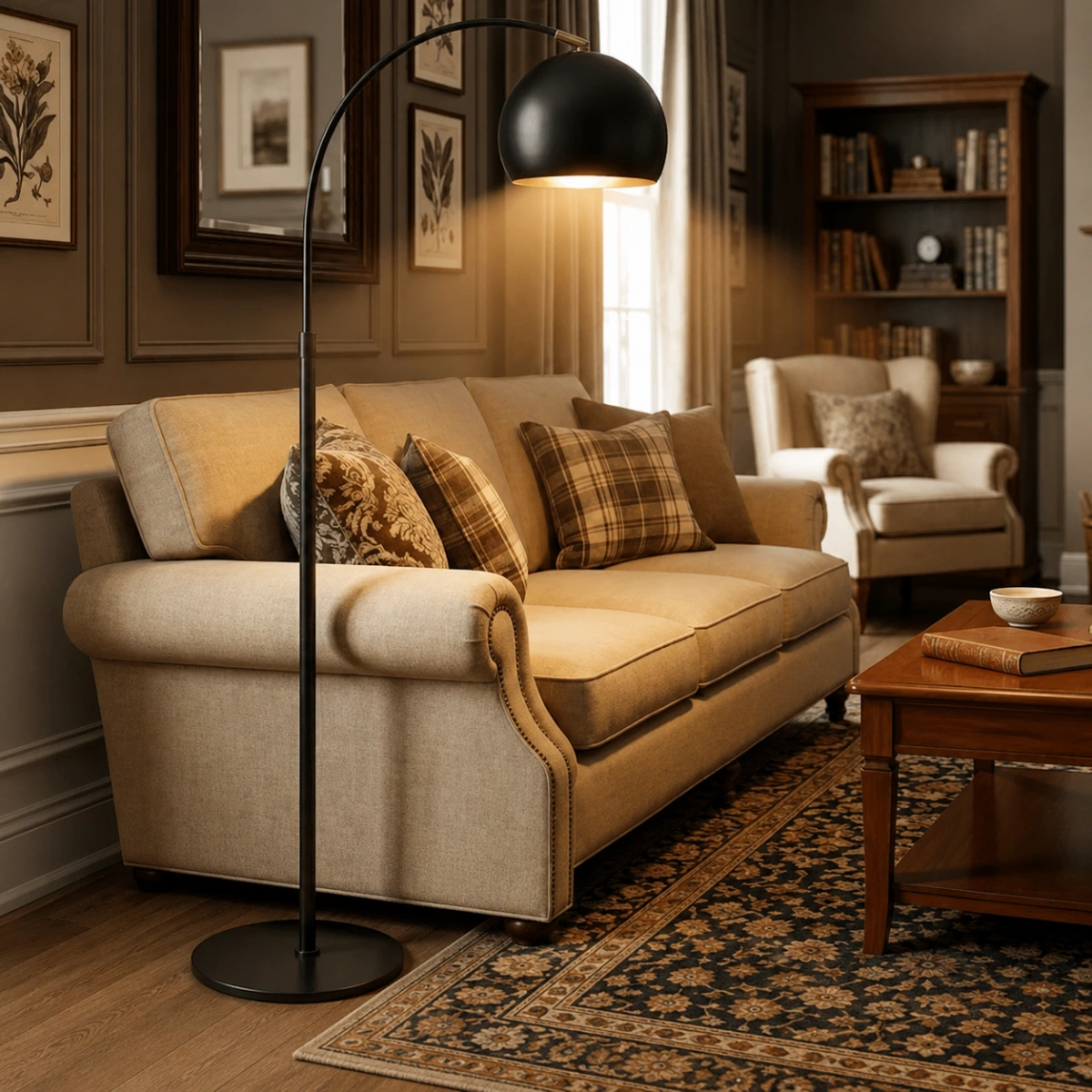
Image Source: LIGHTSLUX
Imagine you walk into your favorite room and notice how lamps instantly create atmosphere with their warm glow. You can use lighting to highlight your décor, improve functionality, and set the right mood. Have you ever wondered if your lamp choices truly maximize your space? Reflect on your current lighting and think about what you want to change. With expert tips and lighting tips, you will discover simple ways to enhance rooms with lamps and achieve professional results.
Key Takeaways
Choose lamp colors and brightness to match the mood of each room. Use cooler tones for productivity and warmer tones for relaxation.
Layer your lighting with ambient, task, and accent sources to create depth and visual interest in your space.
Consider the purpose of each room when selecting lighting. Use soft light in bedrooms and bright light in workspaces to enhance functionality.
Mix different lamp styles and heights to create a cohesive and dynamic look. Ensure lamps share similar finishes or colors for harmony.
Install dimmers and smart controls to adjust lighting levels easily. This flexibility enhances comfort and saves energy.
Why Interior Lighting with Lamps Matters
Lighting and Room Mood
Research in circadian rhythm and environmental psychology has shown that lighting directly affects mood, alertness, and sleep quality. According to lighting experts and sleep studies, cooler blue-enriched light can improve focus and concentration during daytime hours, while warm light in the 2700K range helps the body naturally produce melatonin in the evening, supporting relaxation and better sleep.
For example, many interior designers avoid using daylight-style bulbs above 5000K in living rooms because they can make furniture colors appear harsh and create a clinical atmosphere at night. Instead, warm ambient lighting is commonly used to create a softer and more inviting environment.
Tip: Adjust lamp color and brightness to match the desired lighting mood. Use cooler tones for productivity and warmer tones for relaxation.
Lighting in every room does more than just help you see. It sets the ambience, highlights your décor, and makes each space feel inviting. You can use lamps to create a cozy reading nook, a lively dining area, or a calm bedroom retreat. The right lighting in every room transforms ordinary spaces into places you love.
Lamps for Function and Style
Freestanding lamps offer flexibility and style that built-in fixtures cannot match. In smaller apartments or open-concept homes, designers often use portable floor and table lamps to create separate visual zones without adding permanent fixtures. For instance, placing a floor lamp behind a sofa can visually define a reading area while also softening shadows that overhead ceiling lights typically create.This layered approach not only improves functionality but also makes a room feel more comfortable and professionally designed.
You can move lamps to suit your needs, whether you want to brighten a dark corner or add a decorative touch. Lamp selection influences both the function and the look of your interior. Different lamp types can enhance or detract from your design, affecting how light interacts with furniture and colors. A beautiful lamp can become a focal point, adding depth and texture to your space and improving the overall ambience.
Lamp choices impact mood and functionality.
Aesthetically pleasing lamps transform any room into a sensory experience.
The interplay of light and shadow from various lamp designs adds character.
Investing in energy-efficient lamps, such as LEDs, lowers utility bills and supports sustainability. Quality lamps last longer, reducing replacement costs. Investing in quality lighting also increases your home's appeal, making a well-designed lamp layout a smart choice for both comfort and aesthetic value.
Planning Your Interior Lamp Lighting
When you plan your lighting design, you set the foundation for a comfortable and functional space. Careful planning helps you avoid common mistakes and ensures every area receives the right amount of light. You can follow expert steps to create a balanced and beautiful environment.
Room Purpose and Activities
Start by thinking about how you use each room. Professional lighting designers usually begin with three questions:
What activities happen in this room?
How does natural light change throughout the day?
Which areas should feel bright, soft, or visually emphasized?
Answering these questions helps create a lighting plan that supports both comfort and functionality rather than relying on a single overhead light source.
The purpose of a space shapes your lighting needs. For example, bedrooms work best with soft, warm light that helps you relax and sleep well. Adjustable bedside lamps let you read without disturbing others. You can also use accent lighting to highlight décor and create a peaceful mood.
In a home office, you need bright, adjustable desk lamps for focused tasks. Overhead ambient lighting reduces eye strain and keeps you alert. Choose neutral to cool white bulbs in workspaces to boost concentration. Each room has unique requirements, so match your lighting to your daily activities.
Tip: Make a list of the main activities in each room. Use this list to guide your lighting choices.
Layout, Power Sources, and Ceiling Height
Next, look at your room’s layout. Draw a simple floor plan and mark fixed features like doors, windows, and built-in furniture. Add your furniture placement, then decide where you need light the most. Place your fixtures so they do not block movement or feel distracting. Always check that you have easy access to power sources for your lamps.
Ceiling height plays a big role in your lamp selection. A dramatic, tall arc floor lamp works beautifully in rooms with high ceilings, but can easily overwhelm a standard 8-foot ceiling. Similarly, ensure your table lamps are scaled appropriately to the furniture they sit on—they shouldn't dwarf your side tables. This keeps the look balanced and comfortable.
Ensure fixtures do not block walkways.
Adjust fixture height for visual comfort.
Match fixture size to room scale and ceiling height.
If your lighting plan feels complicated, consider consulting a professional. An expert can help you solve tricky problems and create a design that works for your space.
Natural Light Considerations
Natural light changes how much artificial lighting you need. Rooms with lots of sunlight often require fewer lamps or lower-wattage bulbs. In darker spaces, you may need more powerful lighting or extra fixtures to keep the room safe and inviting.
You should also think about how natural light affects your décor and indoor plants. Some plants need more sunlight, while others do well with less. If your room lacks sunlight, use artificial lighting to support both your comfort and your plants’ health.
Note: Observe your rooms at different times of day. Adjust your lighting plan to fill in shadows and brighten dark corners as needed.
A well-planned lighting design brings out the best in every room. By considering purpose, layout, ceiling height, and natural light, you create a space that feels both beautiful and practical.
Layering Lighting Design with Lamps
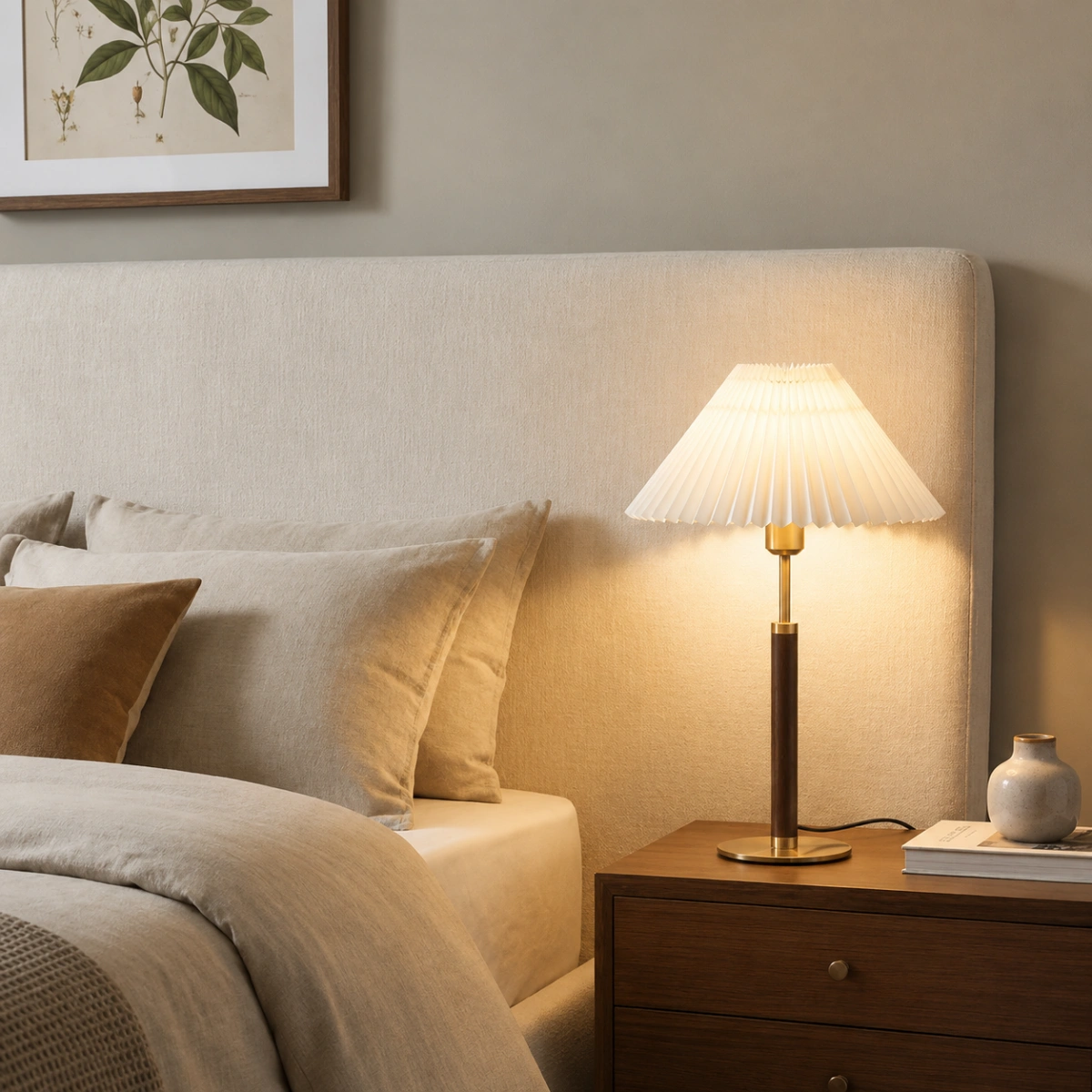
Image Source: LIGHTSLUX
Ambient, Task, and Accent Lighting
You can transform any room by using layered lighting. This approach combines different types of light sources to create depth, comfort, and visual interest.Layered lighting is widely considered one of the foundational principles of professional interior lighting design because it prevents visual fatigue and creates a more natural balance of brightness throughout a room.
Relying on only one ceiling fixture often causes harsh contrast, dark corners, and flat-looking interiors. By combining ambient, task, and accent lighting, you create a space that feels warmer, more dimensional, and visually comfortable.
Ambient lighting provides the foundation for your space. It fills the room with a soft, even glow and sets the overall mood. You achieve ambient lighting with tall torchiere floor lamps that bounce light off the ceiling, or large arc lamps. Task lighting focuses on specific areas where you need extra brightness. Desk lamps and reading floor lamps help you complete activities like reading, crafting, or working. Accent lighting adds drama and highlights features such as artwork, architectural details, or decorative objects. Accent lighting often uses small plug-in uplights, clip-on picture lights, or novelty table lamps to draw attention and create a sense of style.
Tip: Use ambient lighting as your base, then layer task lighting and accent lighting to enhance both function and aesthetics.
Combining Lamp Types for Balance
You create harmony in your room by mixing different lamp types. Lighting experts recommend considering the functionality of each space and the activities you perform. You should use multiple light sources at various heights to add depth and interest. For example, combine tall floor lamps, mid-height table lamps, and low-profile accent lamps to achieve a balanced effect. Layered lighting works best when you maintain a 2:1 ratio of ambient lumens (overall brightness) to task and accent lumens. For instance, if your room's main lighting provides 2,000 lumens, your table and floor lamps combined should contribute around 1,000 lumens. This ratio ensures your room feels balanced without harsh bright spots.
Place your tallest ambient lamps in corners to cast a wide, general glow.
Add task lamps directly on desks, nightstands, or next to reading chairs.
Use small accent lamps on bookshelves or mantels to highlight décor.
A well-designed layered lighting plan improves both the functionality and the mood of your space. You can adjust the brightness and placement of each light source to suit your needs. This flexibility allows you to create a welcoming atmosphere for any occasion.
Avoiding Shadows and Harshness
You must pay attention to placement and lamp selection to avoid unwanted shadows and harsh lighting. Relying on just one or two extremely bright lamps often creates severe bright spots directly under the light, leaving the rest of the room in noticeable darkness. To prevent this uneven illumination:
Distribute multiple lamps evenly throughout the room to eliminate dark corners.
Use lampshades with diffusers (like frosted glass or fabric) to soften the glare.
Scale your lamps to the furniture so they don't overpower the space visually or emit light from an uncomfortable angle.
The type and placement of your lights play a crucial role in achieving balanced layered lighting. If you use hanging light fixtures, ensure they do not cast shadows on seating areas or workspaces. Select bulbs with appropriate brightness and color temperature to maintain a comfortable environment. You can experiment with different combinations to find the best arrangement for your room.
Note: Observe your space at different times of day. Adjust your layered lighting plan to fill in shadows and soften harsh spots.
You create a more inviting and functional room when you use layered lighting thoughtfully. This approach helps you avoid common mistakes and ensures every area receives the right amount of light.
Choosing Bulbs and Lampshades for Interior Lighting
Bulb Wattage for Mood Lighting
You set the mood in your space by selecting the right bulb wattage. The wattage and lumens of a bulb determine how bright your room feels. For living rooms, choose dimmable LED bulbs that produce 800-1,100 lumens. These bulbs create a warm, soft light between 2,000 and 3,000K. In bedrooms, select bulbs with 450-800 lumens and a color temperature of 2,000-2,700K. This range helps you relax and unwind. Dimmable bulbs give you flexibility to adjust lighting for different activities. You can also use vintage filament bulbs in bedrooms for a soft amber glow.
Use warm, soft light to create a cozy atmosphere.
Dimmable bulbs allow you to control brightness.
Low lumens in bedrooms help you achieve a calming effect.
Color Temperature and Ambiance
You influence the ambiance of your room by choosing the right color temperature. Warm light, between 2,700K and 3,000K, creates a relaxing environment. Cooler white light, from 3,500K to 4,100K, promotes alertness and productivity. Daylight bulbs (5,000K+) should be strictly reserved for high-focus utility areas like garages, not living spaces. Instead, establish your baseline color temperature based on the room's function: start with a warm 2,700K for living rooms and bedrooms, and shift to 3,500K–4,000K for home offices where you need crisp, comfortable light. Combining ambient, task, and accent lighting enhances the overall effect. Dimmable LED bulbs let you shift from bright to soft lighting as needed.
Tip: Select warm light for living areas and bedrooms. Use cooler light in workspaces to boost concentration.
CRI and Color Accuracy
In addition to brightness and color temperature, CRI (Color Rendering Index) is another important factor when selecting bulbs for interior lighting.
CRI measures how accurately a light source reveals colors compared to natural daylight. Lighting professionals typically recommend bulbs with a CRI of 90 or higher for living rooms, bedrooms, and dining spaces because they make furniture, wall colors, artwork, and skin tones appear more natural and vibrant.
Low-CRI bulbs can make interiors feel dull or slightly gray, even if the room is bright enough. This is especially noticeable in spaces with wood finishes, warm paint colors, or decorative fabrics.
Lampshade Size and Safety
You improve both style and safety by choosing the right lampshade. The size of the lampshade should match the lamp base and the scale of your room. A lampshade that is too small may expose the bulb and cause glare. Oversized shades can look awkward and block light. Always ensure the lampshade allows enough airflow to prevent overheating. Use fire-resistant materials for added safety. Check that the lampshade fits securely and does not wobble.
Match lampshade size to lamp base and room scale.
Choose materials that resist heat and fire.
Ensure proper airflow to avoid overheating.
You create a comfortable and safe environment by selecting bulbs and lampshades that fit your interior lighting needs.
Lamp Placement and Style Tips
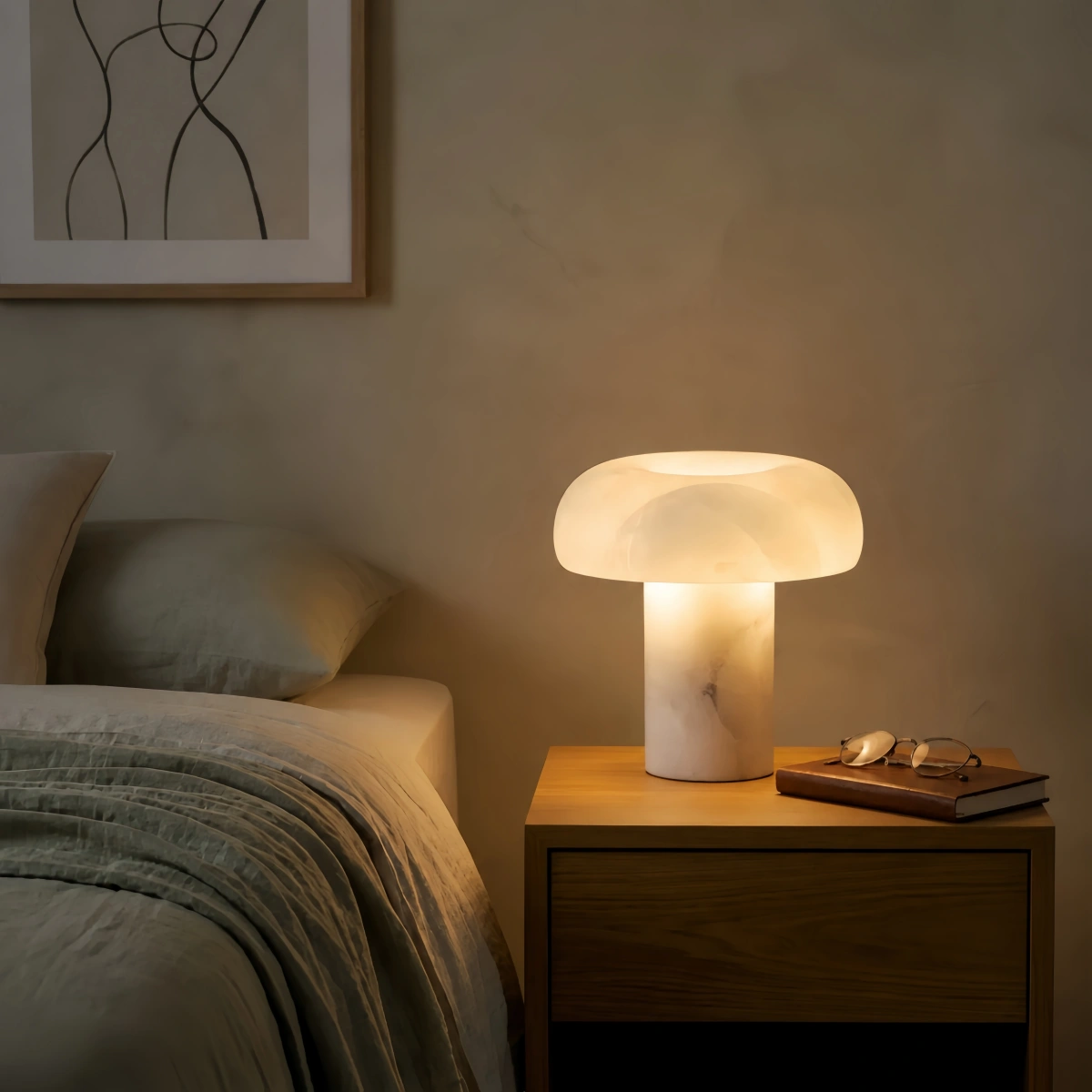
Image Source: LIGHTSLUX
Living Room Lamp Placement
You can maximize both function and style in your living room by following a few best practices for lighting. Start by layering different sources to create depth and versatility. Combine ambient, task, and accent lighting for a balanced effect. Use dimmer switches to adjust brightness and set the right atmosphere for any activity. Consider your room layout when positioning ceiling lights. Place them over seating areas for entertaining or use softer lighting for relaxation. Select fixtures that match your ceiling height and room scale. Large fixtures suit high ceilings, while smaller ones fit lower spaces. Ensure general illumination covers the entire room for safe movement. Create a focal point with a striking fixture to add character and draw attention.
Layer ambient, task, and accent lighting
Install dimmer switches for flexibility
Position ceiling lights based on layout and use
Match fixture size to ceiling height
Use statement pieces as focal points
Tip: Adjust your lighting plan as your living room activities change throughout the day.
Bedroom Lamp Placement
You enhance both ambiance and function in your bedroom by placing lamps thoughtfully. Place table lamps symmetrically on each side of the bed. The bottom of the lampshade should align with your eye level when sitting or lying down. If nightstand space is limited, opt for plug-in wall lamps (sconces with cords) or slim floor lamps placed next to the bed. This keeps the surface clutter-free while still providing excellent reading light. For additional flexibility, adjustable swing-arm desk lamps or reading floor lamps can provide focused illumination without blocking movement.
Align table lampshades at eye level for comfortable reading.
Opt for plug-in wall lamps if your nightstand space is limited.
Choose slim floor lamps to keep surfaces clutter-free.
Use adjustable swing-arm lamps to direct light exactly where you need it.
Note: Proper placement of lighting supports both relaxation and effective reading before sleep.
Dining Room Lamp Placement
You can elevate your dining room by incorporating creative freestanding lamps that act as statement pieces to complement your main lighting. Place tall, slender buffet lamps on a sideboard or console table to add soft ambient light without cluttering your dining space. You can also position an arc floor lamp in a dark corner to cast a warm, inviting glow over the room. These choices enhance both illumination and the overall aesthetic of your dining area.
Use a creative fixture as a centerpiece
Hang large chandeliers for dramatic effect
Choose designs that match natural decor elements
Add colorful glass globes for vibrancy
Tip: Adjust the height of your dining room lighting to avoid glare and ensure comfortable dining experiences.
Mixing Lamps for Interior Lighting Design
Coordinating Lamp Styles
You can create a cohesive look in your space by coordinating different lamp styles. Start by choosing pieces that share a complementary finish or a similar visual language. This approach helps you mix modern and traditional designs without creating visual clutter. When you select lamps with matching metals, woods, or colors, your room feels unified and intentional.
Choose lamps with similar finishes for a harmonious effect.
Select shapes or materials that echo each other across the room.
Keep the overall color palette consistent to avoid a chaotic appearance.
Layering various lighting sources also adds depth and versatility. You can use table lamps, floor lamps, and wall sconces together. This method allows you to create different lighting scenarios for every activity and mood. Relying on a single light source often casts unwanted shadows and makes a space feel smaller. By mixing multiple forms of lighting, you achieve a balanced and inviting atmosphere.
Tip: Place lamps at different heights to distribute light evenly and prevent dark corners.
Creating Visual Interest
You can bring energy and personality to your interior by creating visual interest with lighting. Accent lighting highlights specific features, such as artwork or architectural details. This type of lighting adds depth and focus, setting it apart from ambient light that fills the entire room.
Use accent lighting to draw attention to your favorite décor.
Combine ambient, task, and accent lighting for a layered effect.
Experiment with lamp shades that make bold statements and transform simple fixtures into eye-catching pieces.
Mixing materials, shapes, or finishes adds personality to your design. A sculptural floor lamp can serve as a focal point and spark conversation. The interplay of light and shadow from different lamp designs brings texture and dimension to your space. Placing lamps at various heights creates an interesting play of light and shadows, making your room feel dynamic and adaptable.
Note: Incorporate aesthetically pleasing lamps to turn an ordinary room into a sensorial experience.
Enhancing Lighting Control and Ambiance
Using Dimmers and Smart Controls
You can elevate your interior lighting by installing dimmers and smart controls. These tools give you the power to adjust brightness levels based on your needs and preferences. You save energy and reduce utility costs by lowering the intensity of your light when full brightness is not necessary. Smart controls allow you to set different scenes for activities like reading, relaxing, or entertaining guests. You can automate your lighting to turn on or off at specific times, which adds convenience to your daily routine.
Dimmers and smart controls help you use less energy by adjusting brightness.
You can customize lighting levels for different moods and activities.
Smart systems let you control your light remotely or set schedules for automation.
These features can increase your home's value and appeal to future buyers.
With smart controls, you create a unique atmosphere in every room. You can change the mood instantly with a tap on your phone or a voice command. This flexibility makes your home more comfortable and efficient.
Tip: Start with one room to test smart lighting features before upgrading your entire home.
Decorative Touches
You enhance the ambiance of your space by adding decorative elements to your lighting design. Table lamps and accent lights introduce layers of light that soften harsh shadows and highlight your favorite areas. These features draw attention to artwork, shelves, or architectural details, turning dull corners into inviting spots. Thoughtful placement of decorative lighting transforms the perception of your room, making it feel warmer and more energetic.
Lighting plays a key role in interior design. The right combination of fixtures and decorative touches shapes how you and your guests experience each space. In living rooms, a well-designed lighting plan creates a functional and pleasant environment. You set the tone for relaxation, conversation, or entertainment by adjusting the type and placement of your light sources.
Note: Experiment with different decorative lights to find the perfect balance for your home.
You can transform any room by layering ambient, task, and accent sources. Choose lampshades that fit your style and needs. Avoid common mistakes such as using only one light source, ignoring color temperature, or picking fixtures that do not match your space. Try moving your lamps or testing new bulbs to see what works best. Small changes in lighting design can make your home feel more comfortable and inviting every day.
FAQ
What is the best way to avoid glare from lamps?
You should choose lampshades that diffuse light evenly. Position lamps so the bulb does not shine directly into your eyes. Use frosted bulbs for softer illumination.
How many lamps do you need in a typical living room?
Most living rooms need three to five lamps. Place them at different heights and locations. This approach helps you create balanced, layered lighting for both function and style.
Can you mix different lamp styles in one room?
Yes, you can mix lamp styles. Select lamps with similar colors or finishes for a cohesive look. Mixing shapes and materials adds interest without making the space feel chaotic.
What type of bulb saves the most energy?
LED bulbs save the most energy. They use less electricity and last longer than incandescent or CFL bulbs. You can find LEDs in many color temperatures and brightness levels.
Aktie:
Incandescent vs LED Are Users Making the Switch
A Complete Guide to Energy-Efficient Garage Lighting Ideas